The Casablanca issue
Casablanca's Quartier des Hôpitaux, street by street
Gabriel Loire's 1954 glass wall, a Russian onion dome, a parakeet park from 1907 and the best cooking in the hospitals streets are all inside one walk.
By Etienne DelmasReading Casablanca street by street
An 800 square-metre wall of cobalt, ruby and amber glass stands inside a windowless concrete box on the edge of Casablanca's Quartier des Hôpitaux. Gabriel Loire set that glass in 1954, and most visitors to the city never find it. A pale-blue onion dome sits on a residential corner a short walk off, with a park planted in 1907 and a pan-Asian kitchen in the same few streets.
Notre-Dame de Lourdes and the Russian church
Église Notre-Dame de Lourdes, on the quarter's doorstep, is a low pale-concrete box under a long flat entrance canopy, blank-walled towards the street. Inside, fist-thick chunks of cobalt, ruby and amber glass sit in a concrete grid, and the vaulted nave takes its colour off them. Loire's dalle de verre covers 800 square metres. Go late morning or early afternoon, when the sun is behind the windows.
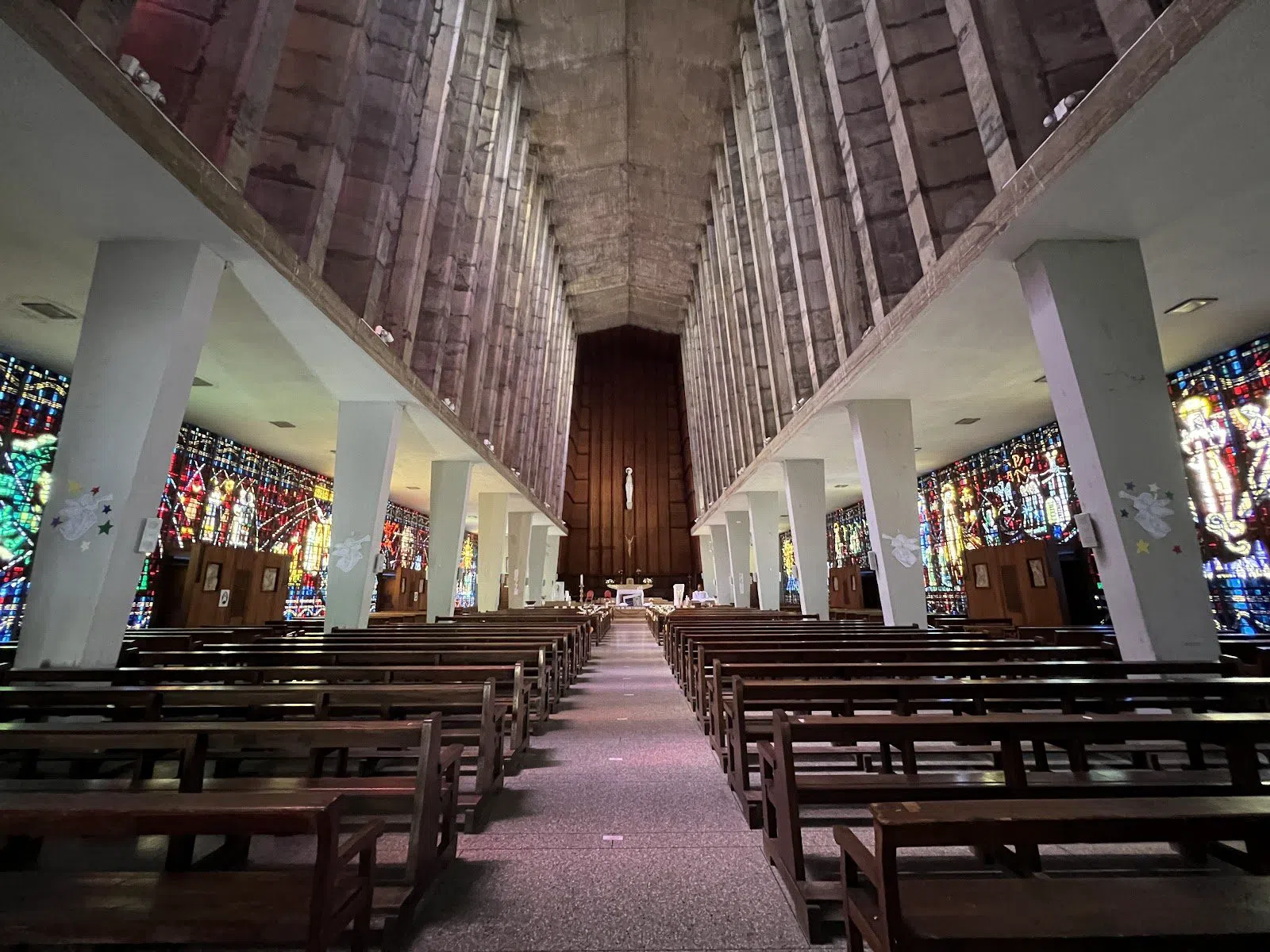
The parish is active, open daily from 08:30 to 19:00, and entry is free. Keep your voice down inside. Stay out of the 09:00 and 10:30 masses on Sunday.
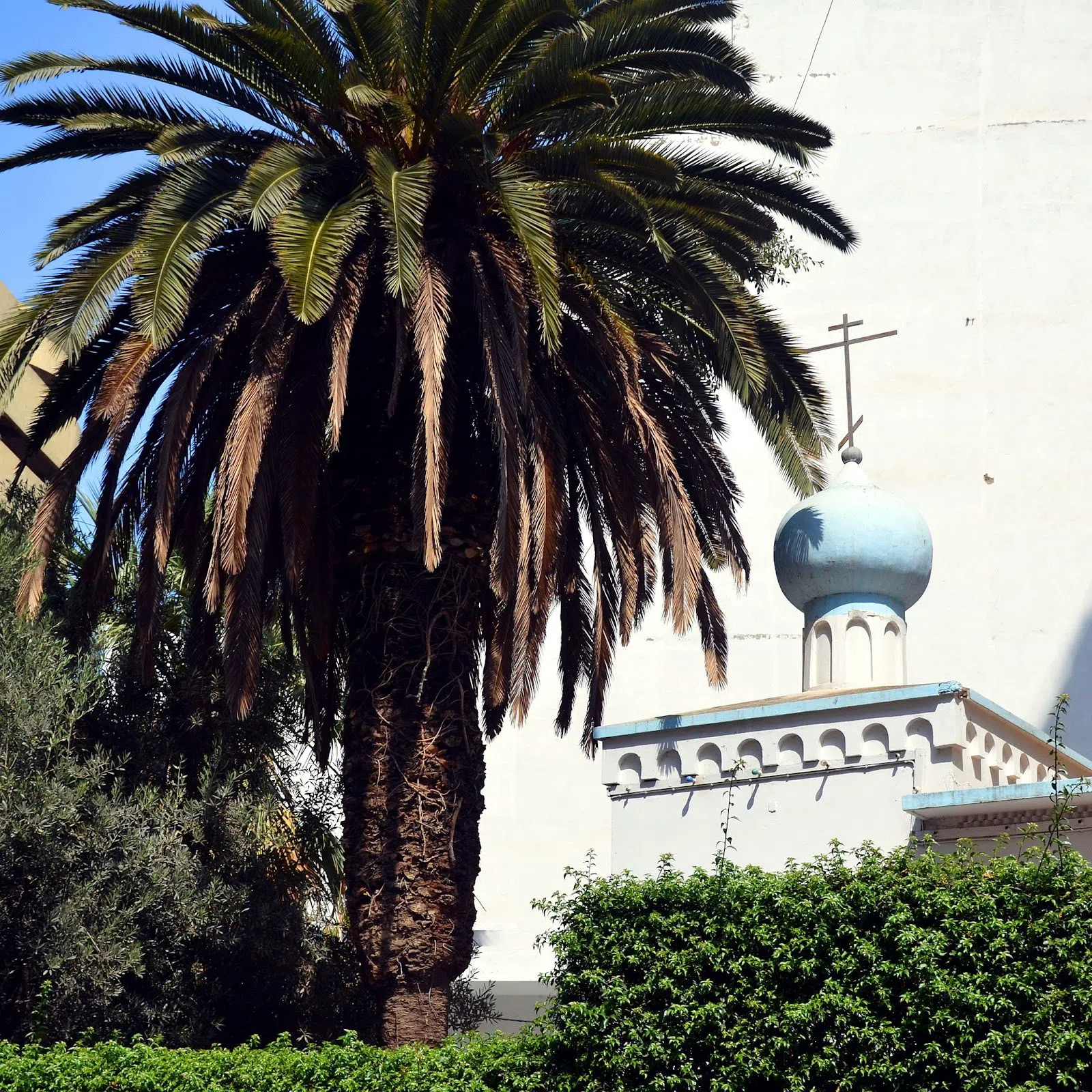
Église orthodoxe russe de la Dormition, on rue de Blida, is a 10-minute stop inside the quarter proper. Russian émigrés built it in the late 1940s, a small whitewashed church on a quiet corner with one pale-blue onion dome under a gold cross. The interior is dim, lined with a gilded iconostasis and hanging lamps. The parish is active under the Patriarchal Exarchate of Africa and keeps no set visiting hours, so phone ahead rather than turn up with a coach; small groups are fine by arrangement. Entry is free.
Plan your Casablanca trip
Live prices from our booking partners.
Free cancellation on many rooms. We may earn a commission when you book.
Parc Murdoch and the Parc de la Ligue Arabe
Parc Murdoch, also signed Parc ISESCO, is the quarter's own green space and the place to see the neighbourhood off duty. Four hectares of mature ficus and dragon trees stand over red-earth paths on the 1907 layout. Flocks of ring-necked parakeets make most of the noise overhead. A British merchant gave the park its first name; it was renamed and replanted in 2006.
The scooter and roller track fills with local kids, and the sports pitches and play areas get busy at weekends. It opens daily from 06:00 to 20:00, free, with no restrictions on who walks in. Come early if you want the paths quiet.
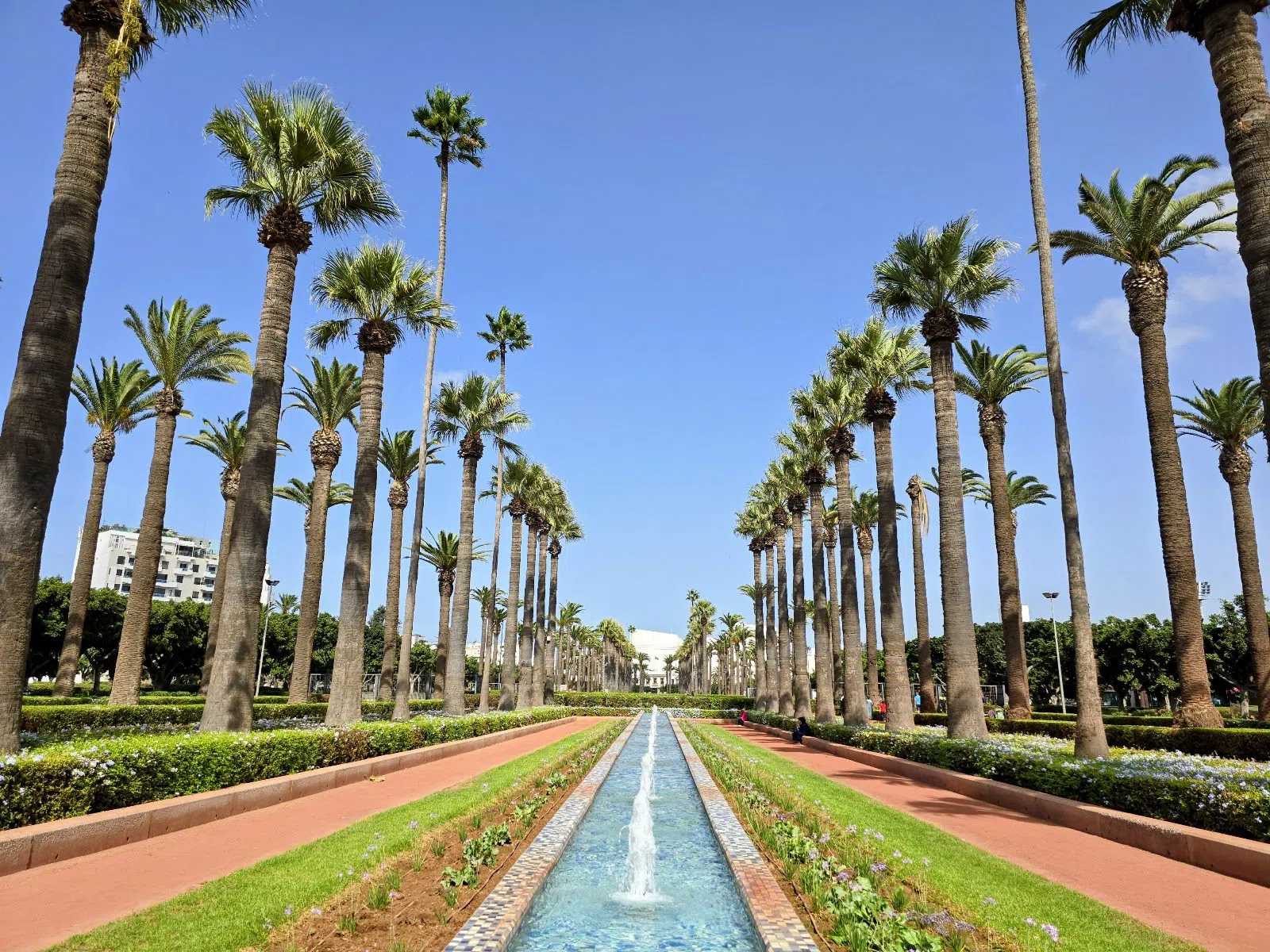
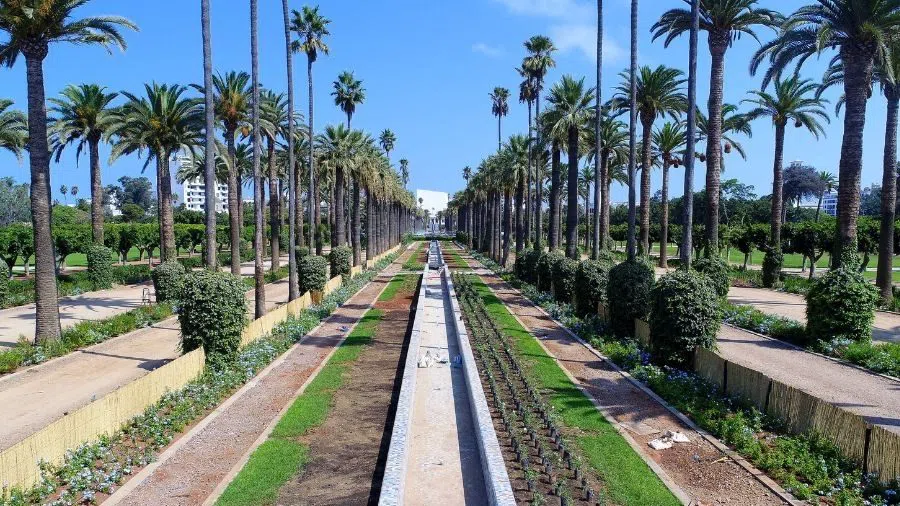
Parc de la Ligue Arabe is the green spine the whole quarter walks into, about a 15-minute walk north of the hospitals streets. Straight gravel allées run across 30 hectares under double rows of tall Canary date palms, past white pergolas and bandstand kiosks. It was laid out in 1918 as Parc Lyautey, rebuilt and reopened in 2021, and the T4 tram has served it since September 2024. Entry is free and unticketed, and the benches, kiosk cafés and WCs date from the refit. At the western end, the twin openwork concrete spires of the Sacré-Coeur close the view down the allées.

Sacré-Coeur at the park's west end
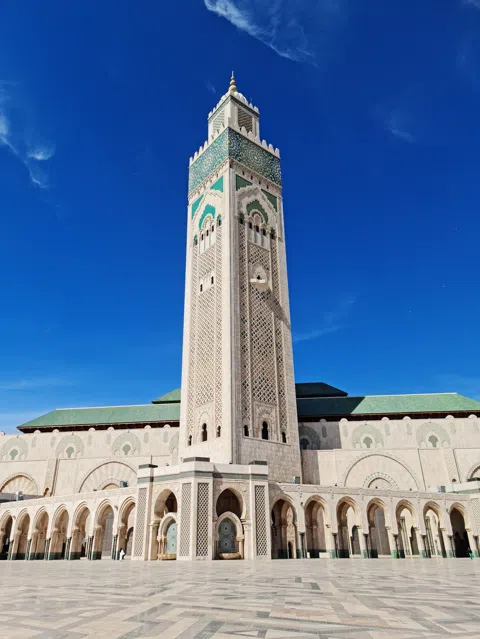
Cathédrale du Sacré-Coeur de Casablanca is a blinding-white reinforced-concrete neo-Gothic shell with two square latticed bell towers and vertical concrete fins up its flanks. Pair it with the allées, since it stands where they end. It was deconsecrated in 1956 and has been a cultural venue since 2000. What you walk into now is an exhibition hall.
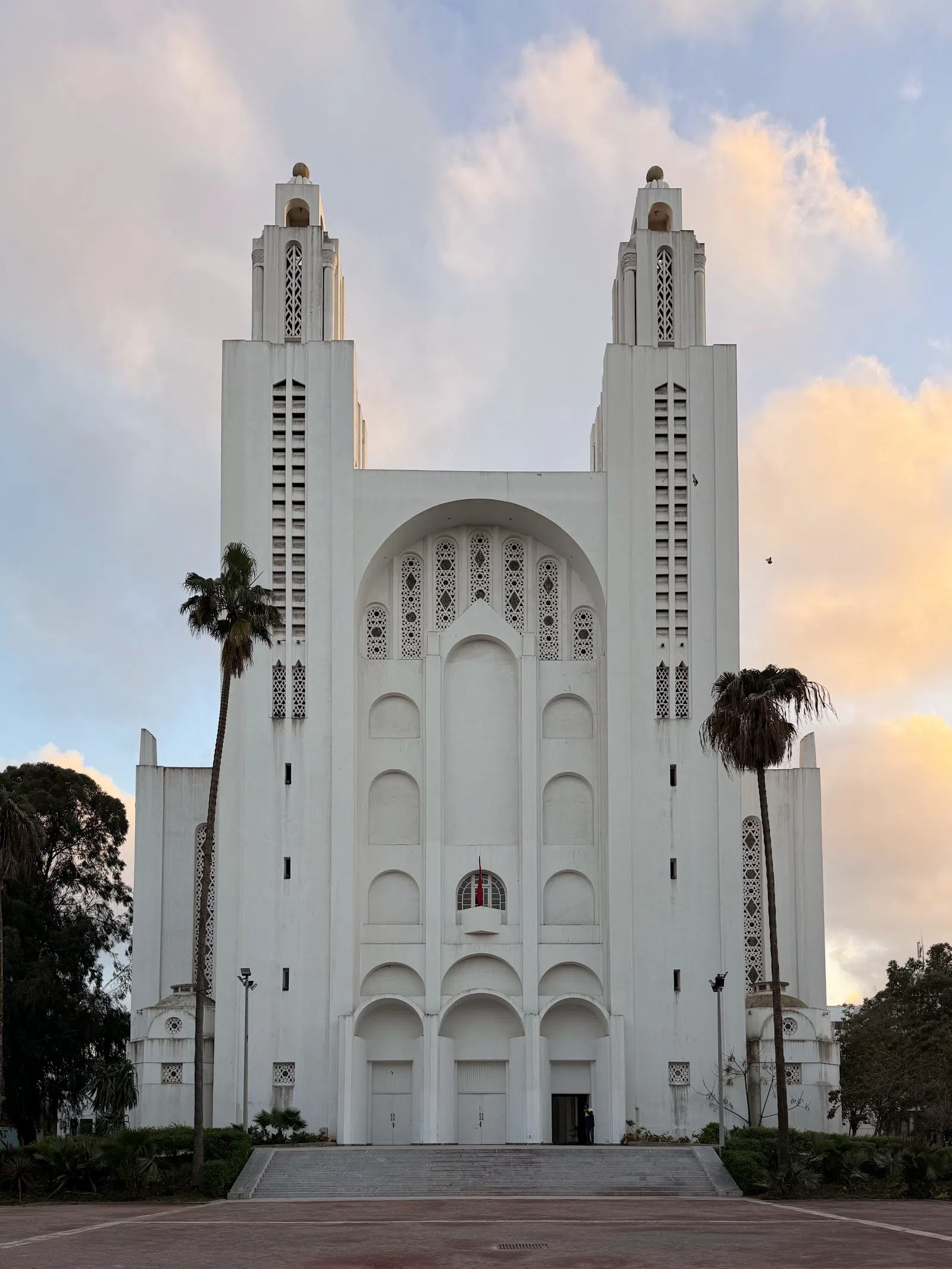
The nave has been emptied of pews, and coloured glass lozenges throw their patterns across bare grey concrete. It opens 08:00 to 18:00, and the ticket is 50 DH. Tower and balcony access is often roped off. Check what is hanging before you go; an empty hall is a short visit.
Villa des Arts and the Slaoui museum
Villa des Arts de Casablanca is about 1.5 km north-west of the hospitals streets, on the far side of the park. The building is a restored 1934 white Art Deco villa with a curved stepped facade behind a wrought-iron gate, and a sweeping central staircase climbs to a tall stained-glass window. The gallery rooms are bare and white, hung with large canvases. Programming is rotating Moroccan and international shows plus 20th-century Moroccan masters. This is Fondation ONA's flagship gallery.
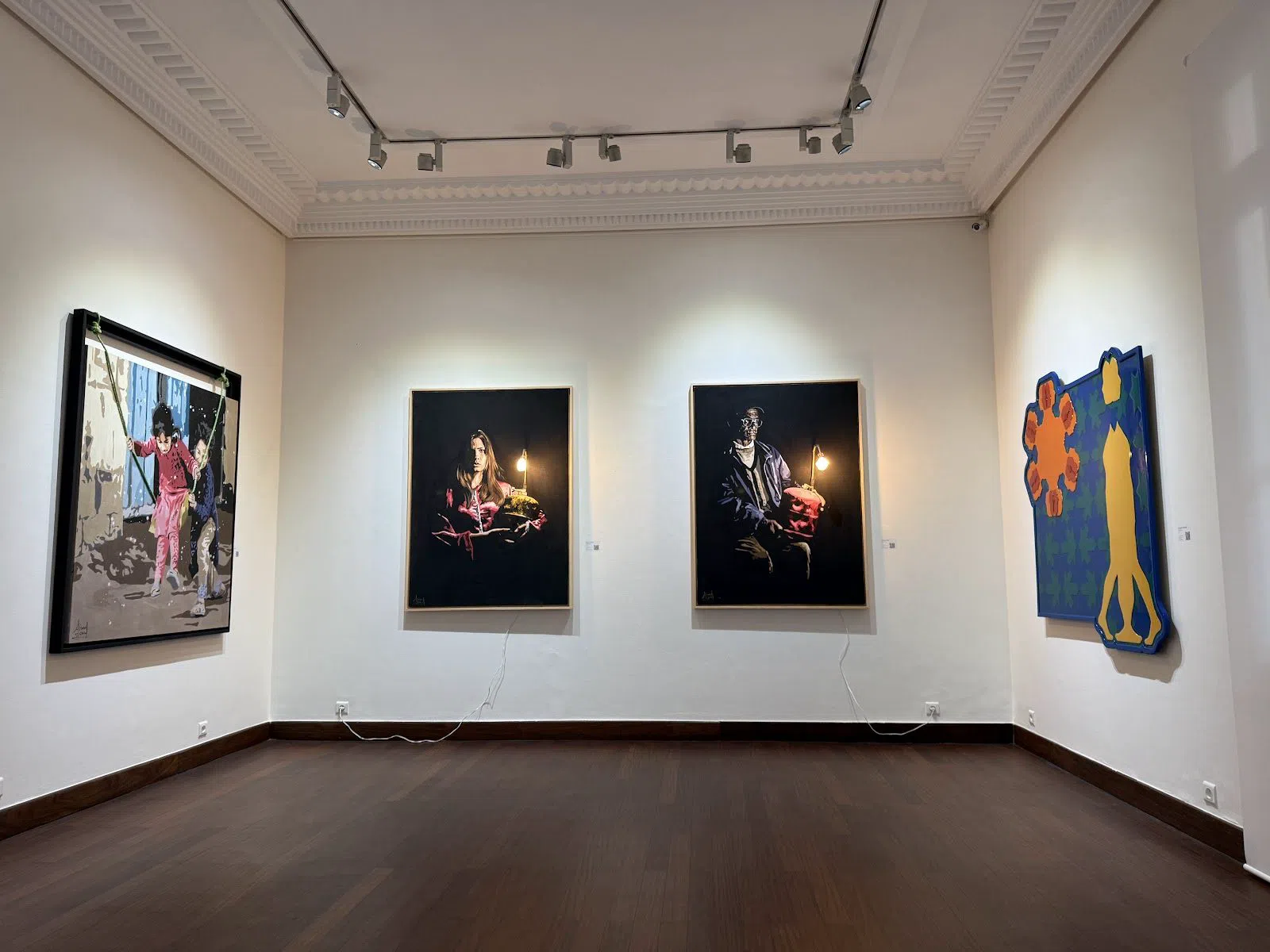
It also runs talks and workshops. It opens Tuesday to Sunday, 09:00 to 19:00, and admission is free.
Musée de la Fondation Abderrahman Slaoui, at 12 rue du Parc, is 2 km north and beyond the park, with Mohammed V the nearest tram stop. Three floors of a restored 1940s Art Deco villa hold vitrines of heavy 18th-century gold jewellery and Amazigh silver, and walls of Orientalist travel posters from the 1920s and 1930s. The house museum runs to 600 square metres, and the rooftop café looks out over downtown rooftops.
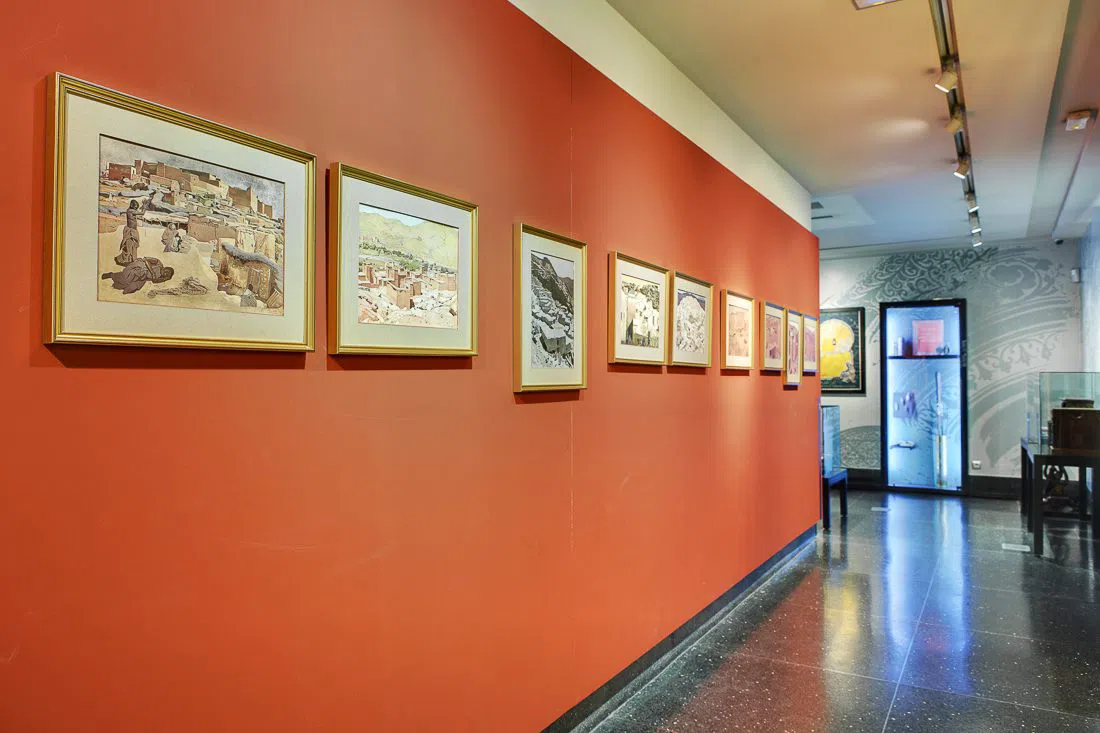
It opens Tuesday to Saturday from 10:00 to 18:00 and closes on Sunday and Monday. Entry is 60 DH, 40 DH for Moroccan residents, free for under-12s.
Hammam Ziani on rue Abou Rakrak
Hammam Ziani is about 1 km north-east of the hospitals streets on rue Abou Rakrak, near the Rond-Point d'Europe, and it is the stop that fits after a morning on gravel allées. The steam chambers are tiled in green-and-white zellige, the marble underfoot is hot, and star-shaped skylights pierce the domed ceilings. Brass buckets and black savon beldi come with the treatment.
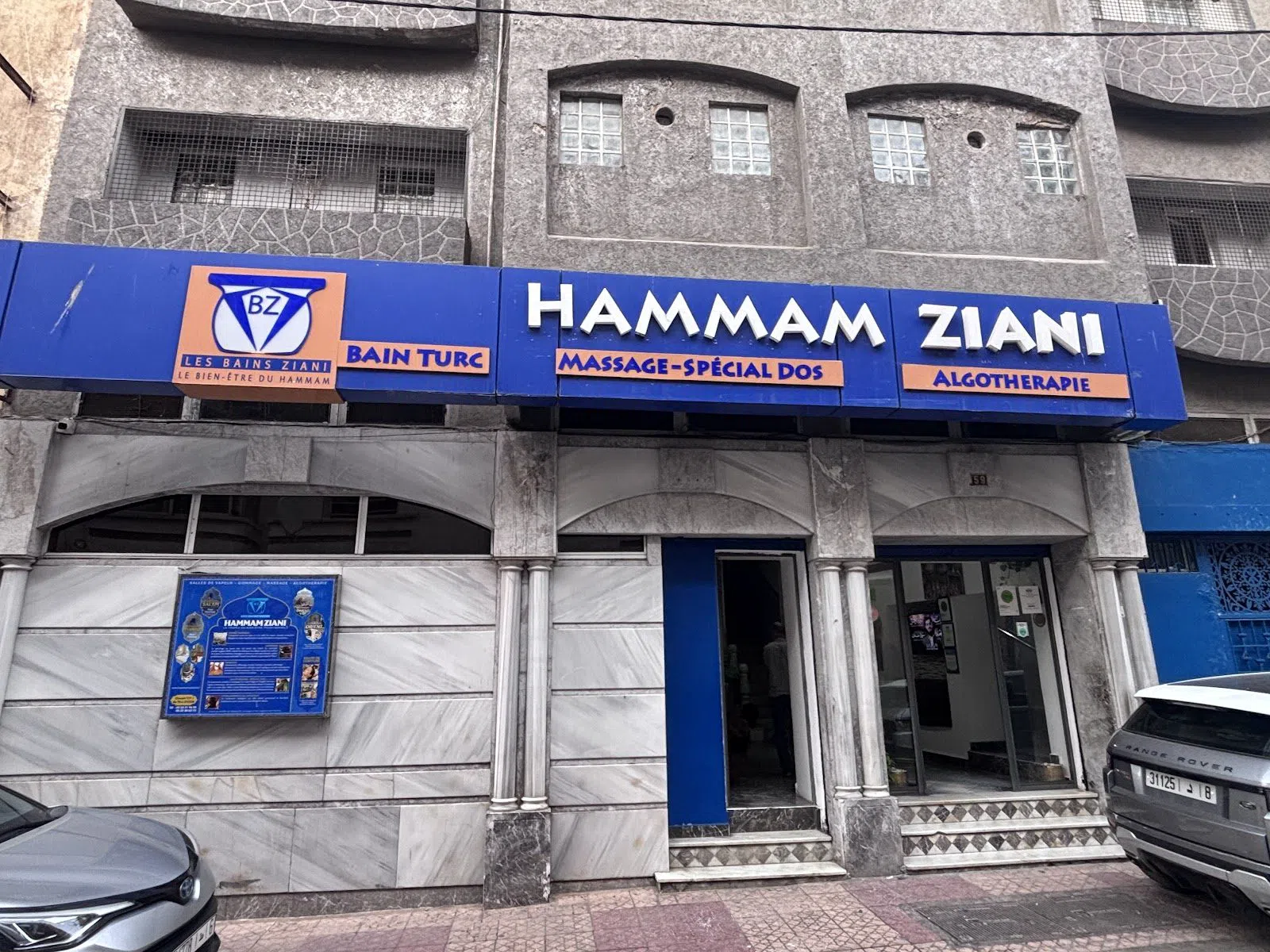
The full package is a wash, gommage, seaweed wrap and massage across two hours, at 350 DH. Friends book it four at a time. It opens daily, 07:00 to 21:30, private rooms are available, and weekend slots want booking ahead.
Eating in the quarter
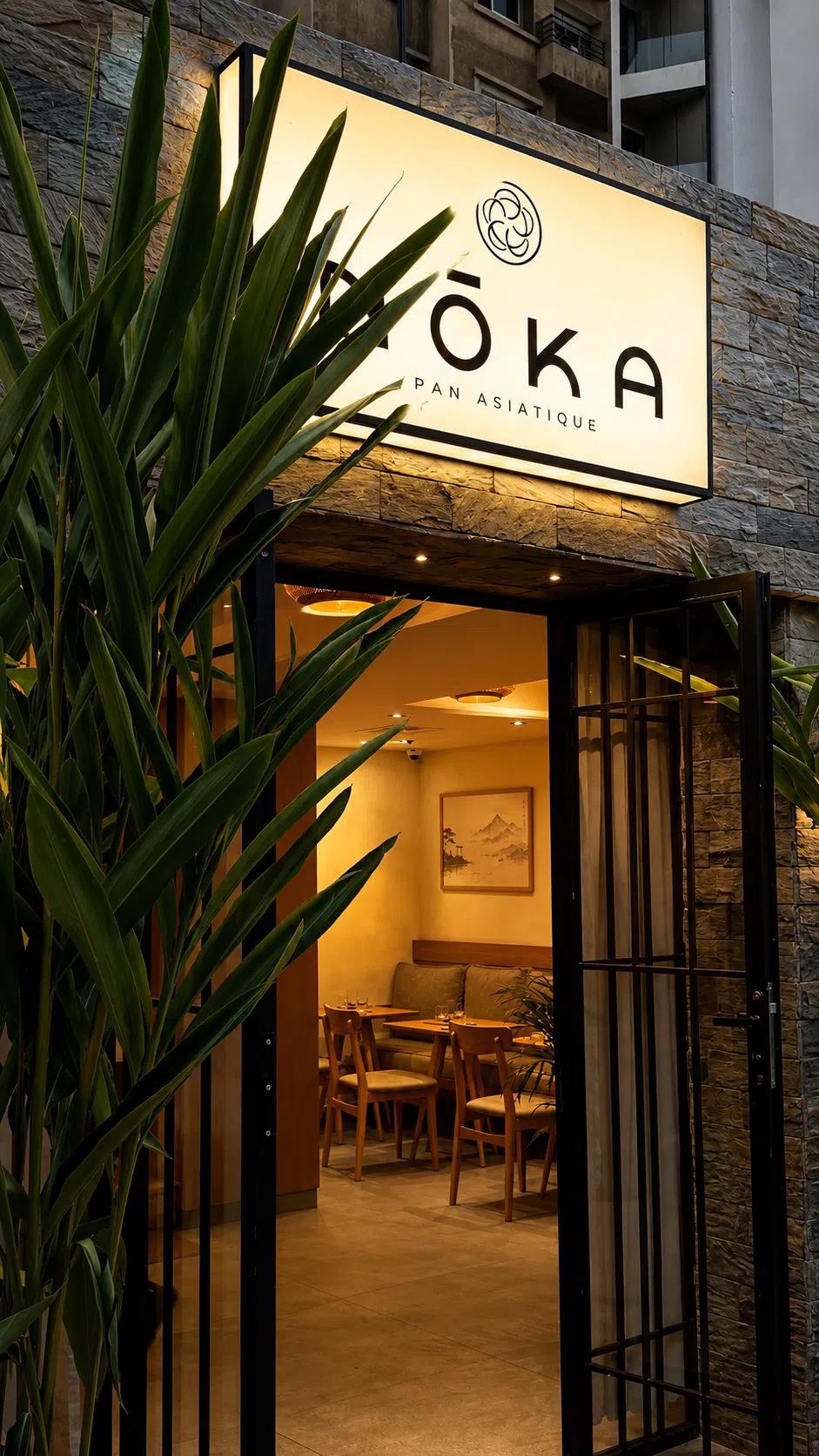
Nōka, on rue Mohamed El Fidouzi a few doors from the Russian church, is the strongest kitchen in these streets. Dark lacquered panelling and low warm lamplight set the room, with a pale wood sushi counter along one side and the sashimi plated precisely. The cooking runs across Japanese, Thai, Vietnamese, Chinese and Korean dishes. Service is 12:00 to 23:30, from 15:00 on Friday, and there is a prayer room. Expect 200 to 400 DH a head.
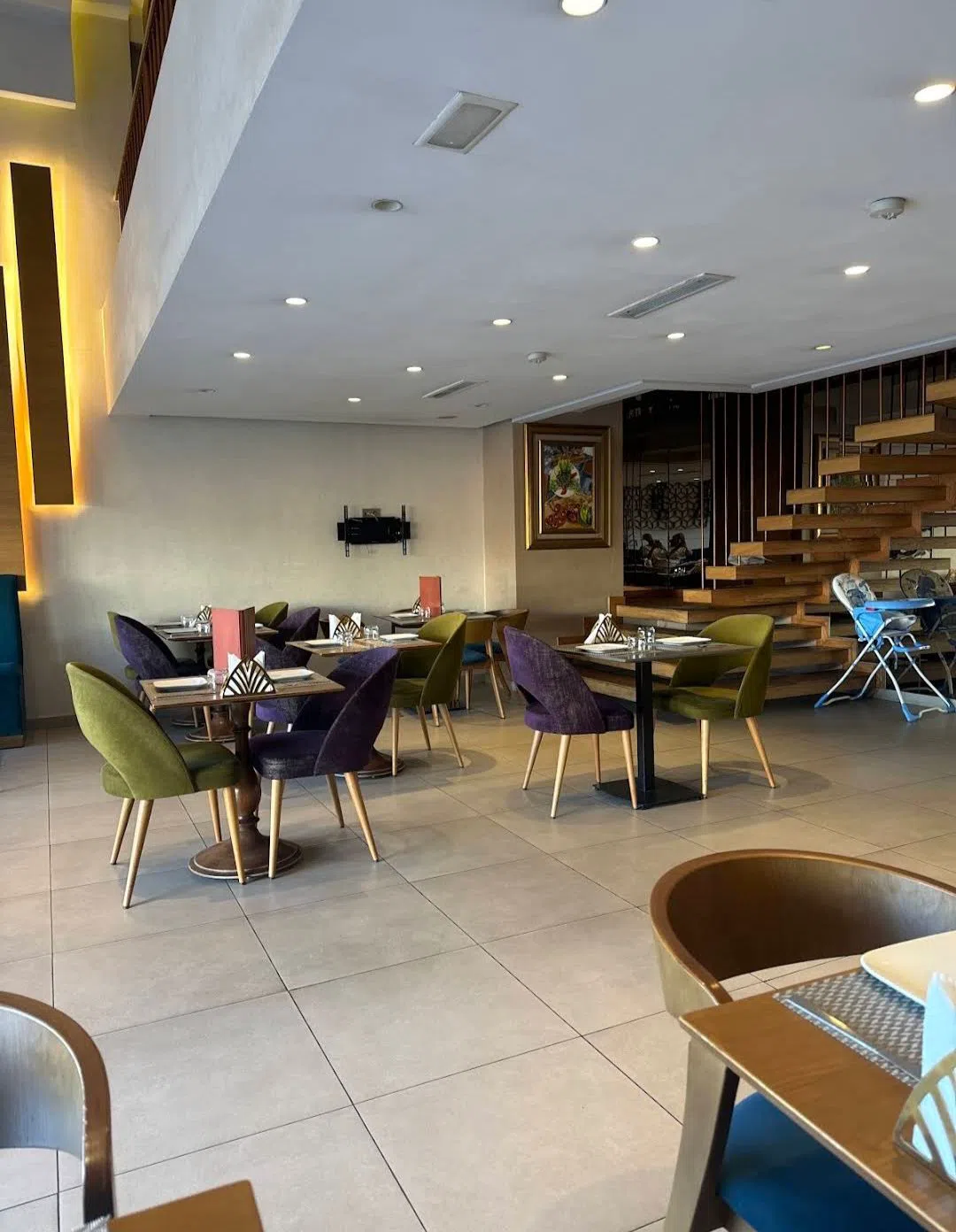
Alo Beyrouth, at 187 boulevard Abdelmoumen, is a bright Lebanese brasserie room where the tables disappear under two dozen small white mezze dishes, charcoal-grilled skewers and mounds of green tabbouleh. Order the mezze spread and the grills, and leave the specials alone. Mezze is food for sharing, and this room takes a big table better than anywhere else nearby. Walk-ins are usually fine midweek, at 120 to 250 DH a head.
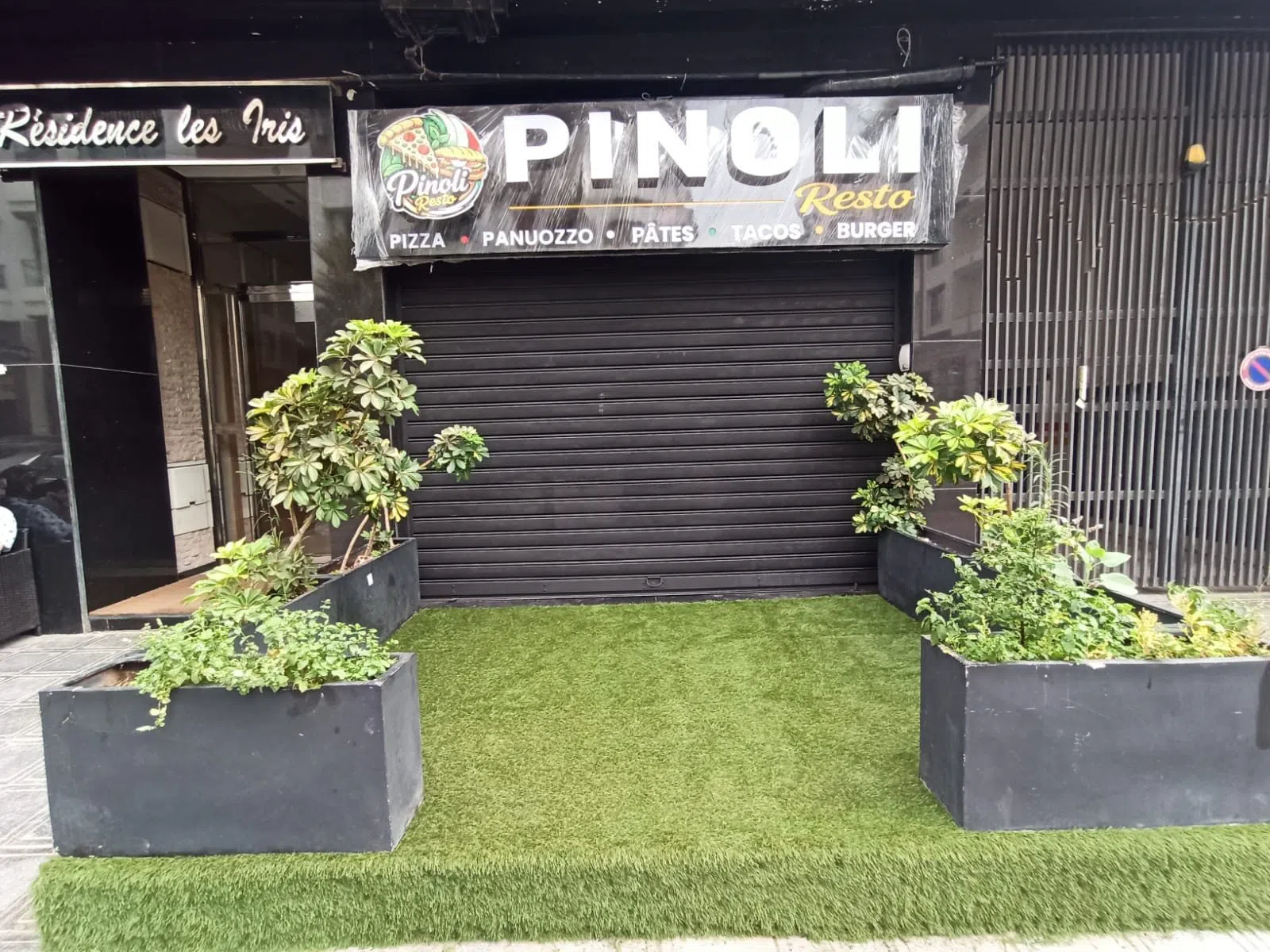
PINOLI Resto, on rue Abou Marouane Abdelmalek, is the in-quarter cheap eat, a small bright pizzeria with an open dough counter that hospital staff and students use. The seven-cheese thin crust comes molten out of the oven, and panuozzo sandwiches are stacked by the till. Delivery and takeaway both run. The room is not big and nobody takes bookings, so arrive early. Figure on 60 to 110 DH a head.
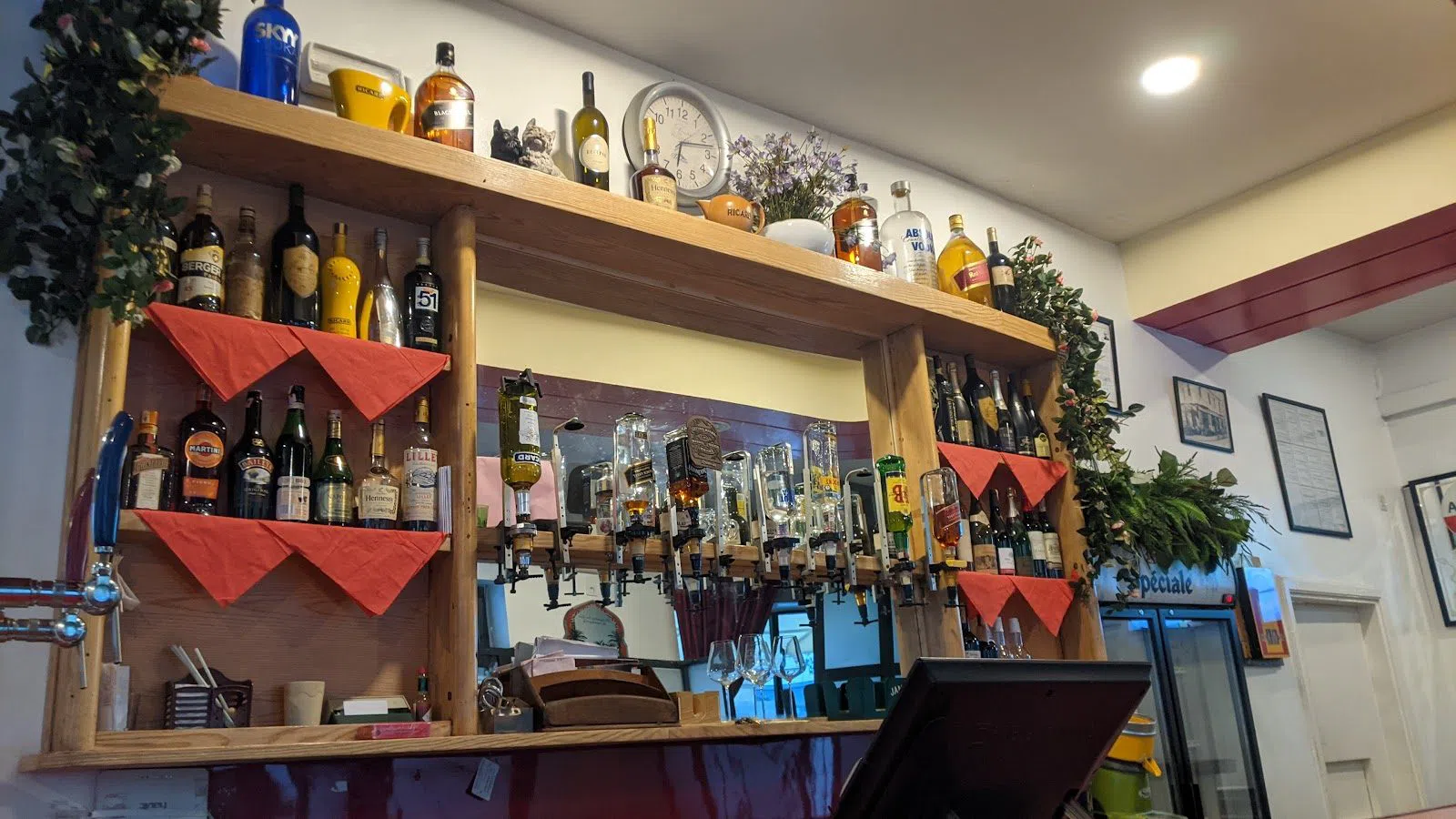
La Presse (Restaurant Brasserie) depuis 1930, at 362 boulevard Brahim Roudani, has been trading since 1930 and sits about 1.5 km west, in Maârif proper. The dark wood bar runs to a zinc counter over patterned cement floor tiles, and framed press photographs and old newspaper plates cover the walls. The tables are paper-topped. Choucroute, tête de veau and paella come with wine, daily from 11:00 to 23:00, at 100 to 300 DH a head.
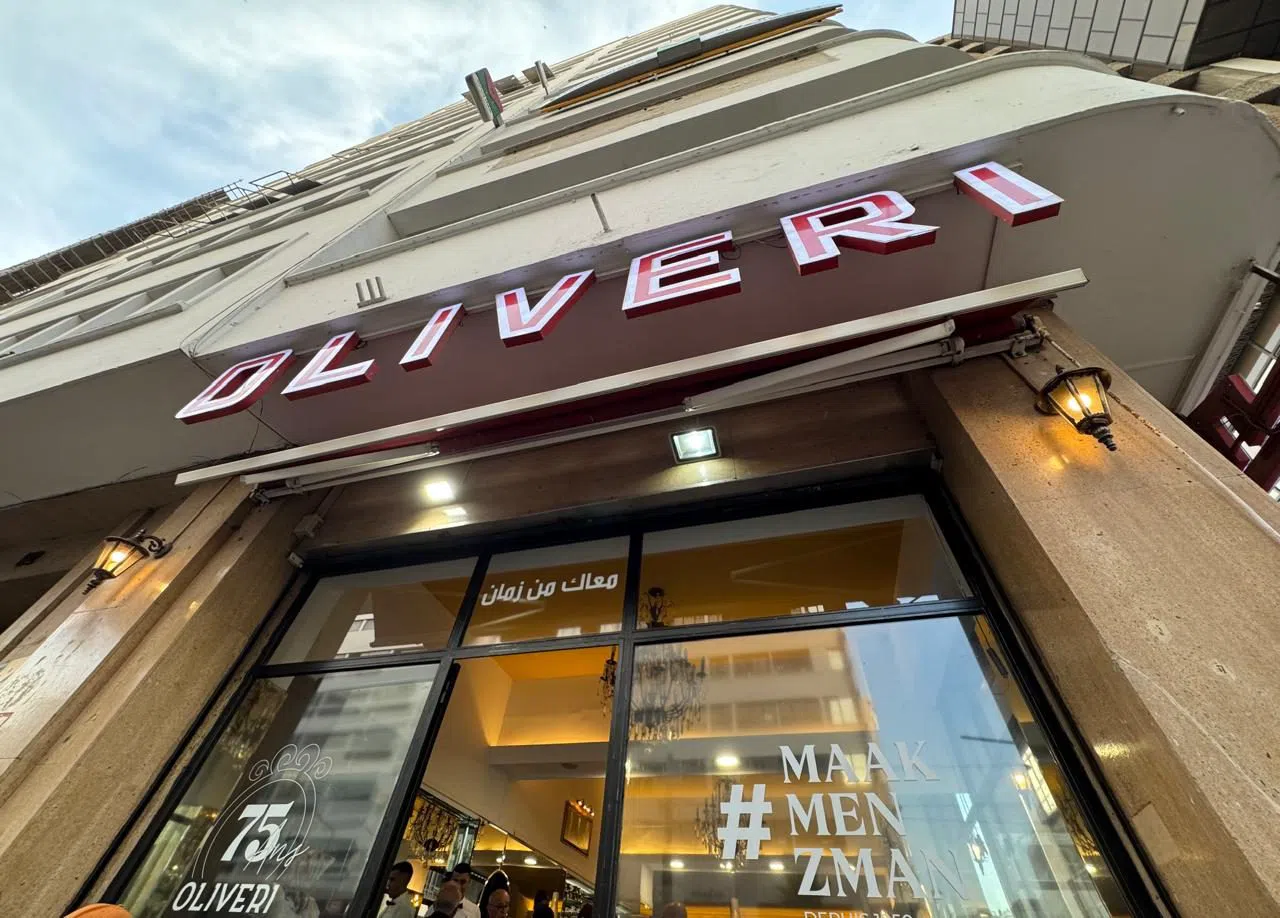
Oliveri, at 132 avenue Hassan II on the Parc de la Ligue Arabe's northern edge, has been family-run since 1950. The long curved counter holds metal gelato pans under 1950s chrome and mirrors, and the pavement terrace faces the park's palm tops. Gelato, sorbets, ice-cream cakes and iced coffee come over the counter, with marble-topped tables inside when the terrace fills. It opens daily from 08:00 to 01:00, at 50 to 100 DH a head, and the terrace swallows a crowd without a door policy.
Beds on boulevard Abdelmoumen
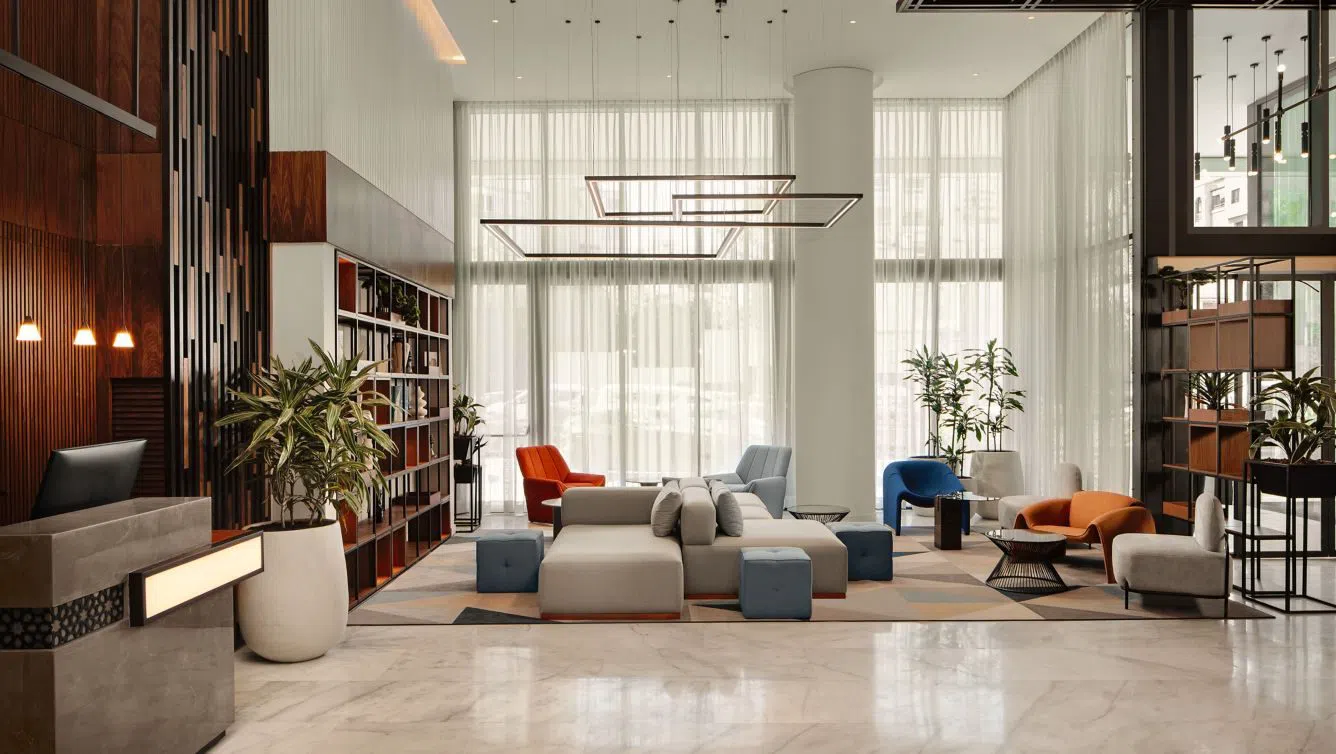
Courtyard by Marriott Casablanca Downtown, at 299 boulevard Abdelmoumen, opened in 2024 on the quarter's western edge, walkable to the park and the churches. The four-star block puts a pool deck on the eighth floor behind a glass balustrade, with white loungers, tapas tables and the low white sprawl of Casablanca and its tram lines below. Vibe, the rooftop bar and restaurant, is open to non-residents, and it is the one drinks view in these streets. Rates run from 1,400 to 1,900 DH a night, and the hotel is used to corporate block bookings.
ibis Abdelmoumen Casa Centre is the cheap, reliable bed on the same boulevard, a plain red-and-white three-star block fronting wide traffic with a tram stop at the door. Rooms are compact and modern in grey and lime, and the hotel has a Moroccan restaurant and a lounge bar. Rates run from 300 to 700 DH a night. The street noise is real, so ask for a room off the front.
Days, hours and booking
The Villa des Arts closes on Monday and the Slaoui museum closes on Sunday and Monday, which fixes the order of any two-day visit. Book a weekend hammam slot ahead, and call the Russian church before you walk over to rue de Blida.
See the Casablanca guide and the Casablanca hotel search.
Before you go
Where is the Quartier des Hôpitaux and how do you get around it?
It is the hospitals streets of Casablanca. The Parc de la Ligue Arabe is about a 15-minute walk north, and the T4 tram has run to that park since September 2024. The ibis Abdelmoumen Casa Centre has a tram stop at its door, and Mohammed V is the nearest stop for the Slaoui museum.
What is the one thing to see here?
Église Notre-Dame de Lourdes, at the edge of the quarter. Gabriel Loire's 1954 dalle de verre covers 800 square metres of cobalt, ruby and amber glass. Entry is free, it opens daily from 08:30 to 19:00, and late morning or early afternoon is best, when the sun is behind the windows.
Is the Cathédrale du Sacré-Coeur still a church?
No. It was deconsecrated in 1956 and has been a cultural venue since 2000, so what you visit is an exhibition hall inside a white concrete neo-Gothic shell. It opens 08:00 to 18:00 and the ticket is 50 DH. The tower and balcony are often roped off.
Which places are closed on which days?
The Villa des Arts opens Tuesday to Sunday, 09:00 to 19:00, free. At the Musée de la Fondation Abderrahman Slaoui it is Tuesday to Saturday, 10:00 to 18:00, closed Sunday and Monday. The Russian orthodox church keeps no set visiting hours, so phone first.
Where do you eat if you are a group, and where if you are counting dirhams?
Alo Beyrouth at 187 boulevard Abdelmoumen does mezze to share and handles a big table better than anywhere nearby, 120 to 250 DH a head. PINOLI Resto on rue Abou Marouane Abdelmalek charges 60 to 110 DH a head for its seven-cheese thin crust. It takes no bookings and the room is small, so go early.