The Casablanca issue
Mauresque: Casablanca's Art Deco City Hiding in Plain Sight
Skip the airport transfer and walk the 1920s new town — Casablanca is one of the world's great, least-visited open-air museums of Art Deco and its Moroccan hybrid, the Mauresque.

By Etienne DelmasReading Casablanca street by street
Most travellers meet Casablanca as a name on a departures board — a place you connect through on the way to somewhere older and more obviously photogenic. That reputation is doing the city a disservice. Between the 1920s and the late 1930s, under the French Protectorate's chief planner Henri Prost, Casablanca was laid out almost overnight as a laboratory for modern architecture, and what went up was a dense, sun-bleached catalogue of Art Deco: geometric façades, ziggurat rooflines, wrought-iron balconies, and — crucially — a local dialect the architects called Mauresque, in which European Deco geometry is dressed in Moroccan tilework, horseshoe arches and carved plaster. It is all still standing, still lived in, and largely un-signposted. This guide walks you through the pieces that survive, honestly, with the door realities and the caveats.
What 'Mauresque' actually means
Before you start photographing façades, it helps to know what you are looking at. Prost's ville nouvelle was designed as a showpiece, and its architects — Marius Boyer chief among a prolific generation — imported the machine-age vocabulary of the day: stepped cornices, porthole windows, streamlined curves, low-relief friezes. But Protectorate policy also demanded a nod to Moroccan tradition, and out of that tension came the Mauresque style: Deco massing wearing zellige mosaic, cedar eaves and Arabic calligraphy. Once you can spot the seam — the moment a rigidly symmetrical concrete frame sprouts a tiled arch — the whole downtown reorganises itself in front of you. You stop seeing a tired mid-century business district and start seeing a coherent, deliberate city. The good news for planning is that almost everything worth seeing sits inside a walkable rectangle between Place Mohammed V and the old Marché Central, with two outliers — the Habous quarter and the Villa des Arts — a short taxi ride away.
Plan your Casablanca trip
Live prices from our booking partners.
Free cancellation on many rooms. We may earn a commission when you book.
The civic heart: squares and the great post office
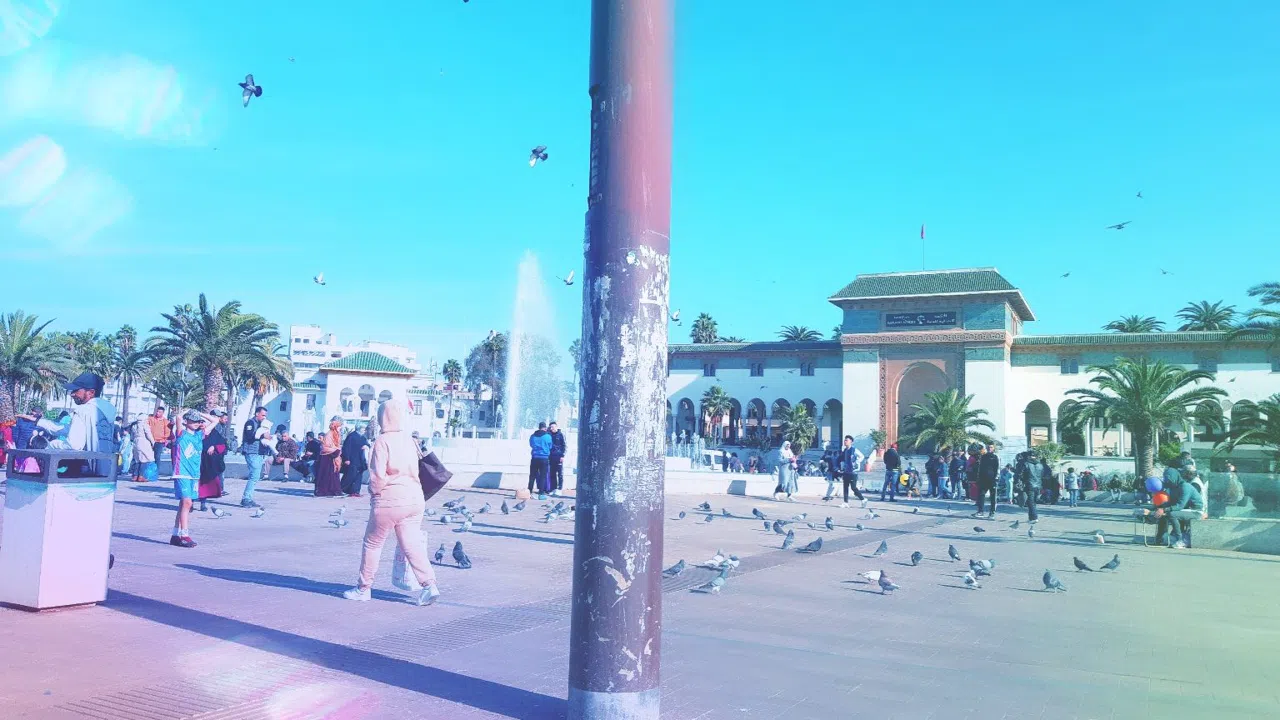
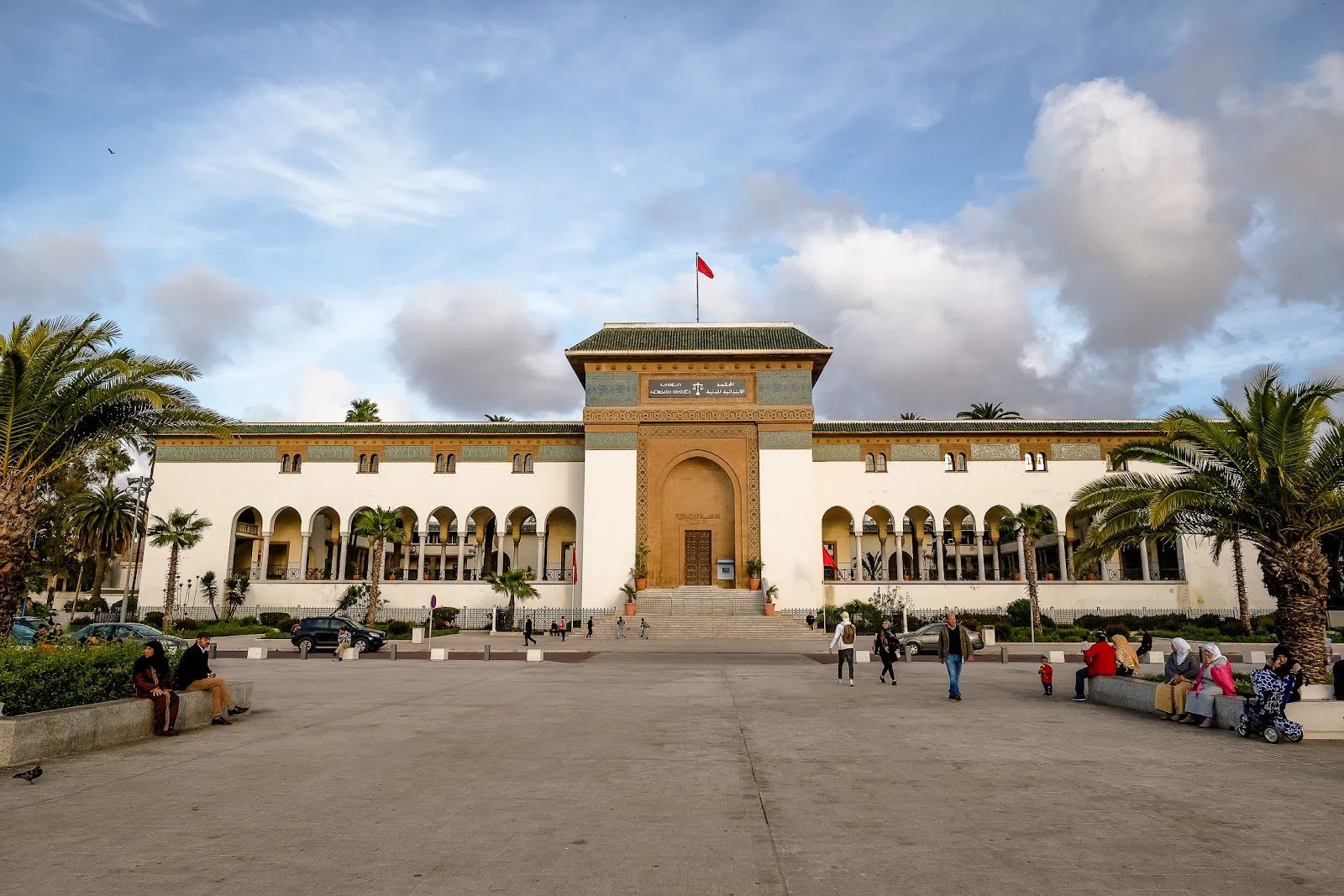
Start where the city planned for you to start. Place Mohammed V (centre-ville, the old Place Administrative) is the monumental hinge of Prost's design: a vast paved plaza ringed by the 1920s–30s government ensemble — the Wilaya with its clock tower, the courts, the former bank buildings — arranged with a Beaux-Arts sense of ceremony but detailed in Deco and Mauresque. It is the natural muster point for any walking tour and it is free and always open, though the government buildings themselves are exteriors-only; you admire the stonework from the plaza. Come late in the afternoon, when the low sun warms the ochre stone and the fountains catch the light — it is a genuinely different, better photograph than the flat glare of midday.
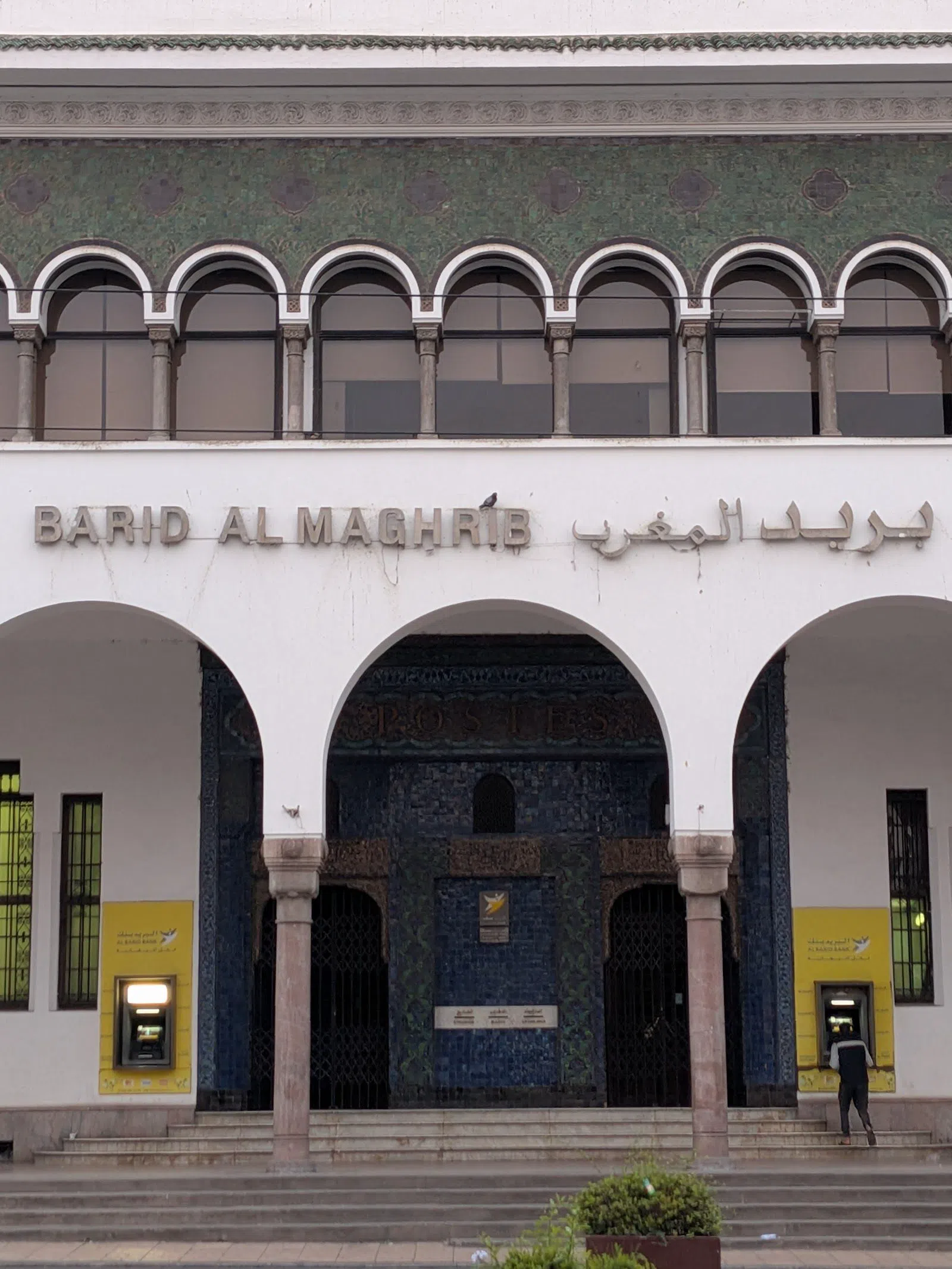
A few steps away stands the single clearest lesson in what Mauresque means. La Grande Poste (centre-ville, on the edge of Place Mohammed V), designed by Adrien Laforgue and opened around 1920, is the textbook hybrid: a sober, European Deco box whose entrance and public hall are lined with luminous Moroccan tilework and carved detailing. The best part is that it never became a museum-piece. It is still a working post office, so you can walk straight into the lobby for free, buy a stamp, and stand under the tiled ceiling with locals queuing around you. That living, unpretentious quality is the whole point of Casablanca's Deco — it was built to be used, and much of it still is.
Museums you can actually walk inside
The frustration of Casablanca's Deco is that so much of it is private — offices, apartments, banks you can only see from the pavement. Two museums solve that problem by letting you inside the architecture itself.
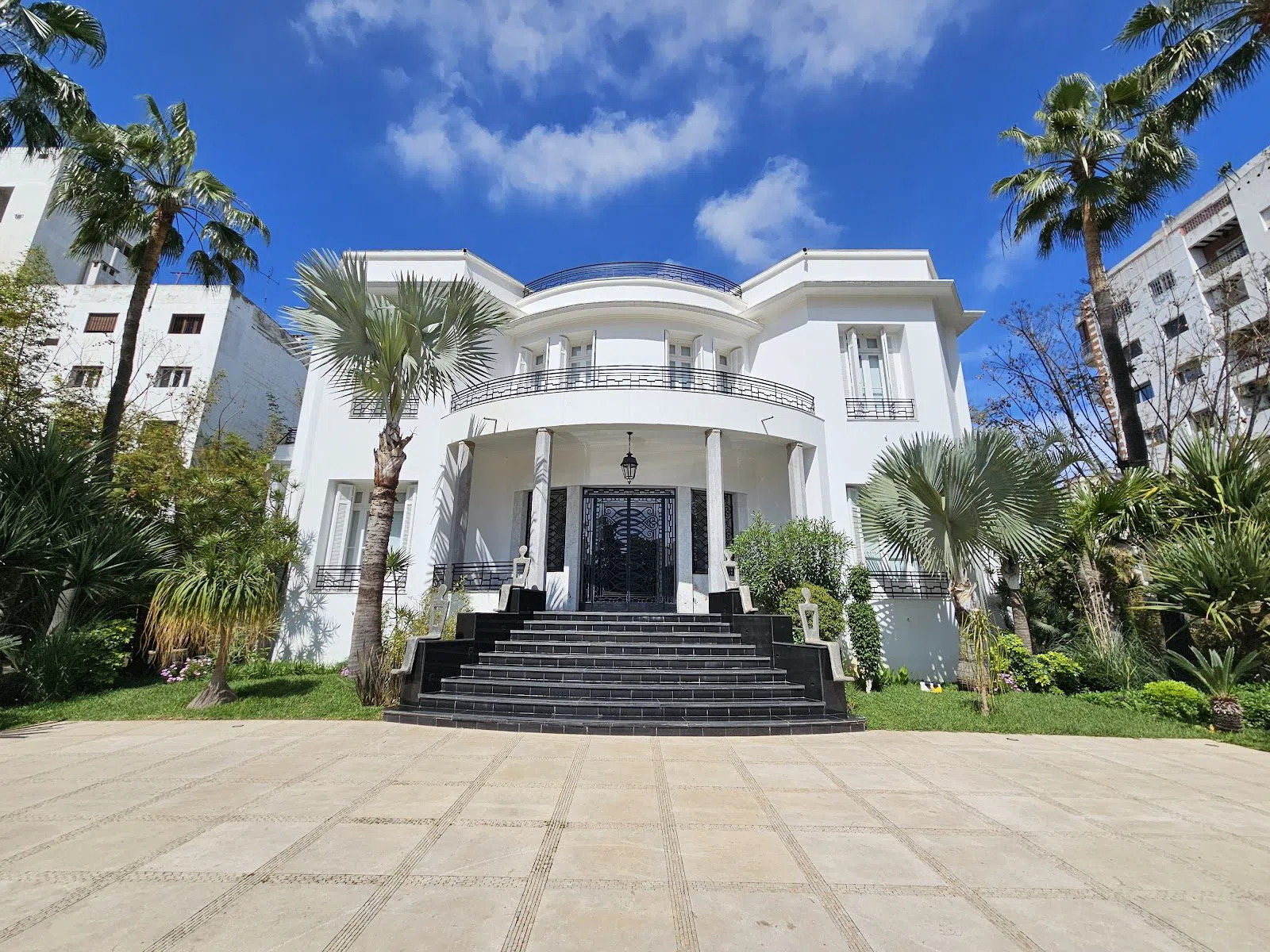
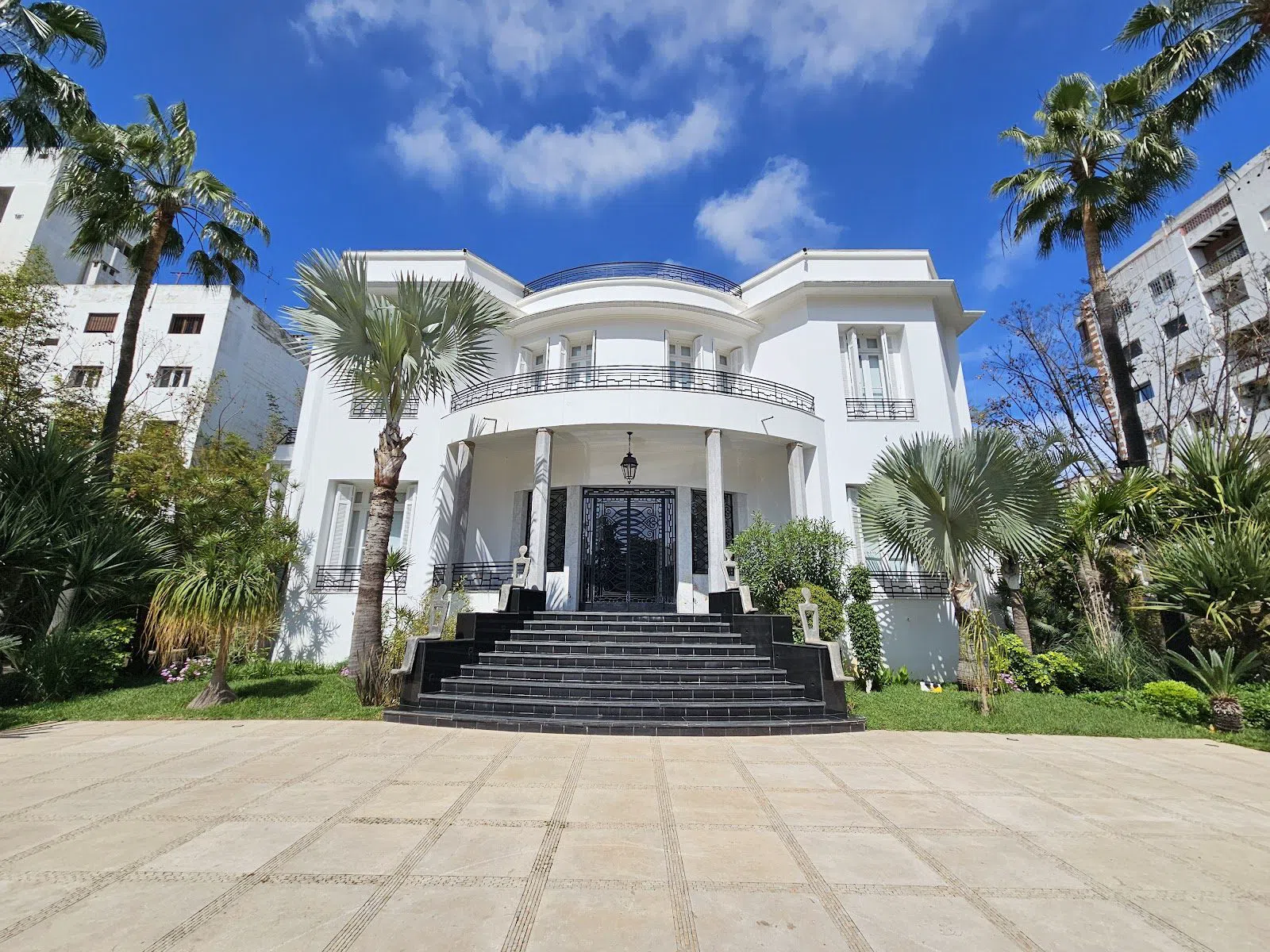
Villa des Arts de Casablanca (near the Parc de la Ligue Arabe, off Boulevard Moulay Youssef) is the cleanest single example of a Casablanca Deco villa you can freely enter. It is a restored 1930s mansion, now a public art museum with rotating Moroccan and international exhibitions, set back behind a large esplanade. Entry is free, it welcomes groups, school parties and coach tours without fuss, and that generous forecourt absorbs crowds — so this is the one place on the itinerary where a big group is genuinely no problem. Even when a show doesn't grab you, the building — its proportions, its stair, its light — is the exhibit. Note that it closes on Mondays.
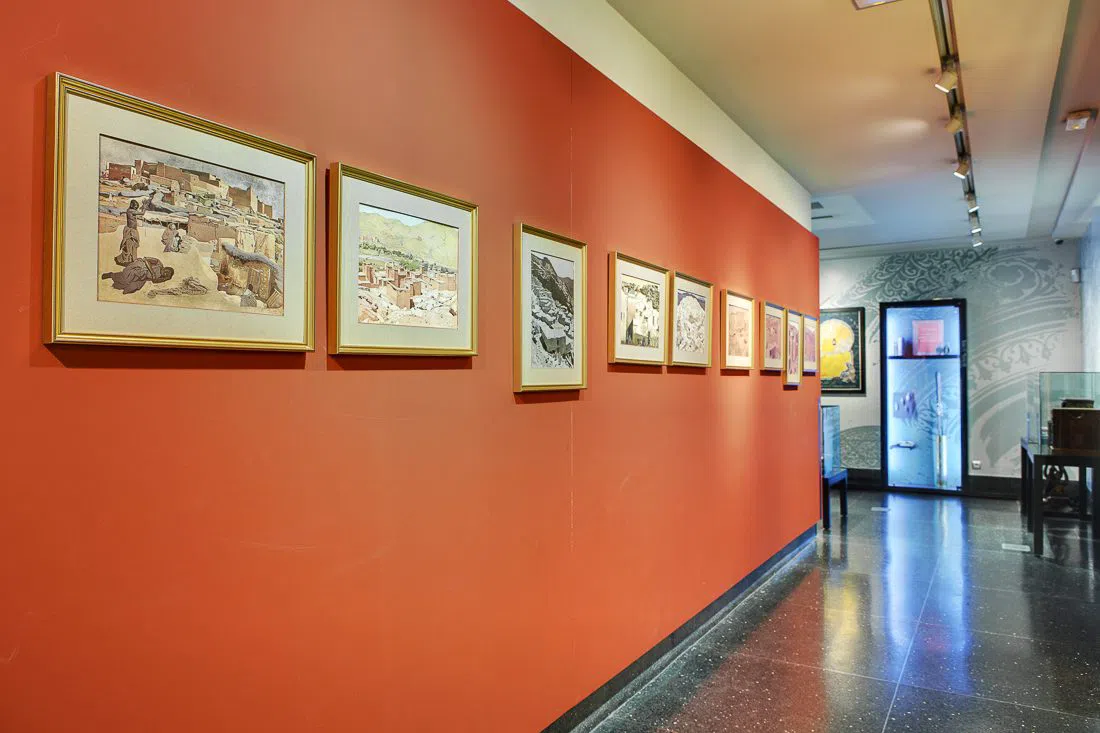
The more intimate counterpart is the Musée Abderrahman Slaoui (centre-ville, Rue du Parc, near the Marché Central), an Art Deco private townhouse turned foundation museum. Its collection of jewellery, Orientalist posters and crystal is charming, but the reward every regular comes back for is the rooftop café, where you drink mint tea above the downtown rooftops. Because the rooms are small and the stairs intimate, this suits couples and parties of a dozen or fewer far better than a coach load — a large group will simply clog it. Entry is 60 MAD (around €6), and it closes Sunday and Monday, so slot it into a mid-week afternoon.
Landmarks, a cinema and a living market
Some of the district's biggest set-pieces come with honest caveats about access, so plan around them rather than being disappointed on the day.
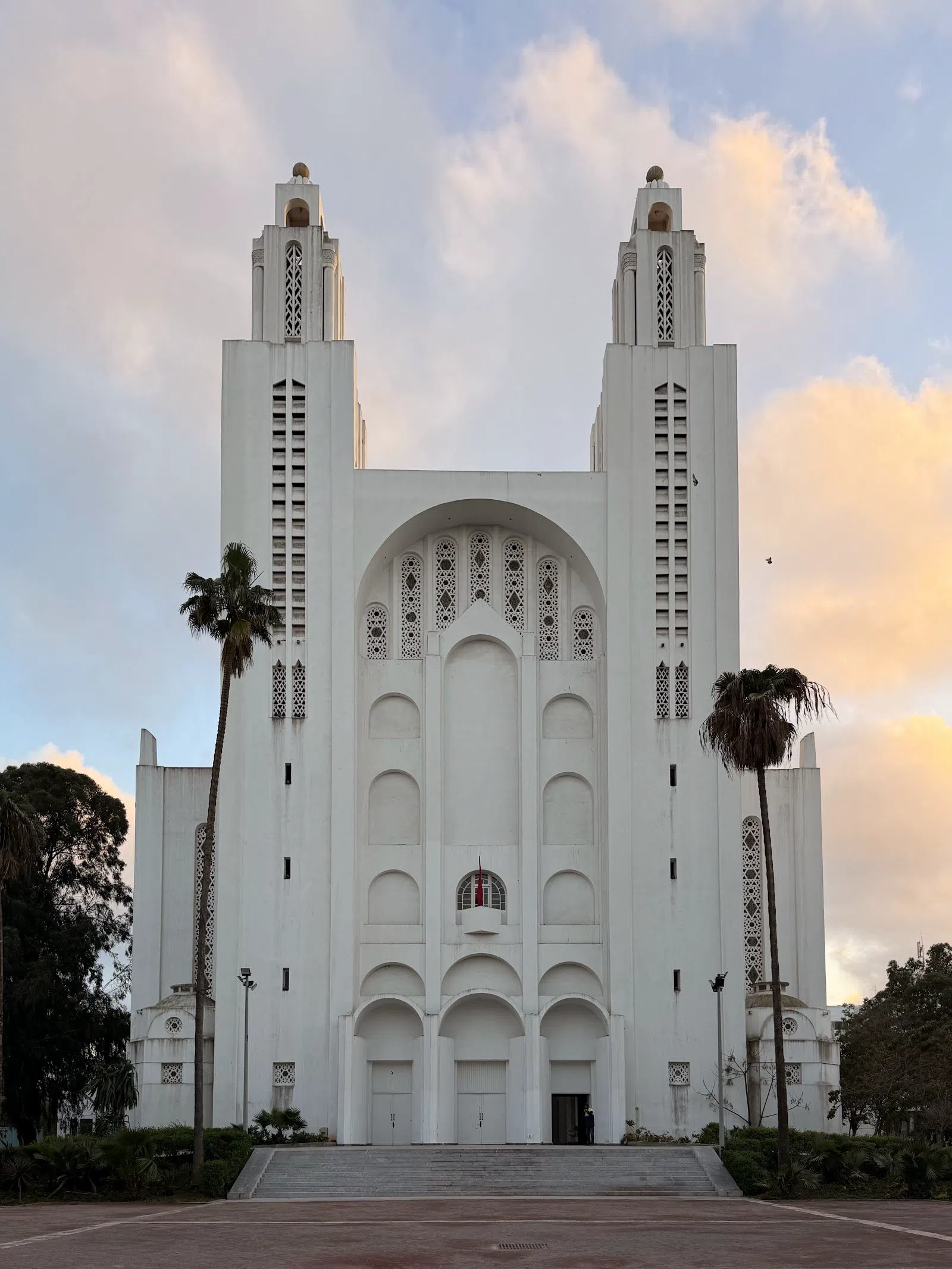
The most dramatic is the Cathédrale Sacré-Cœur (Parc de la Ligue Arabe), Paul Tournon's soaring white reinforced-concrete church, begun in 1930. It is no longer a church at all — long deconsecrated, it now serves as a cultural and exhibition shell — and, importantly, interior access is irregular, usually tied to weekend openings or specific events. Treat the exterior as the guaranteed sight: the twin towers and the Gothic-Deco verticality read beautifully from the park. Entry, when the doors are open, is free, though a caretaker who unlocks the tower stair may appreciate a small tip of 10–20 MAD; the stair, when accessible, is single-file only, so it is not a group proposition.
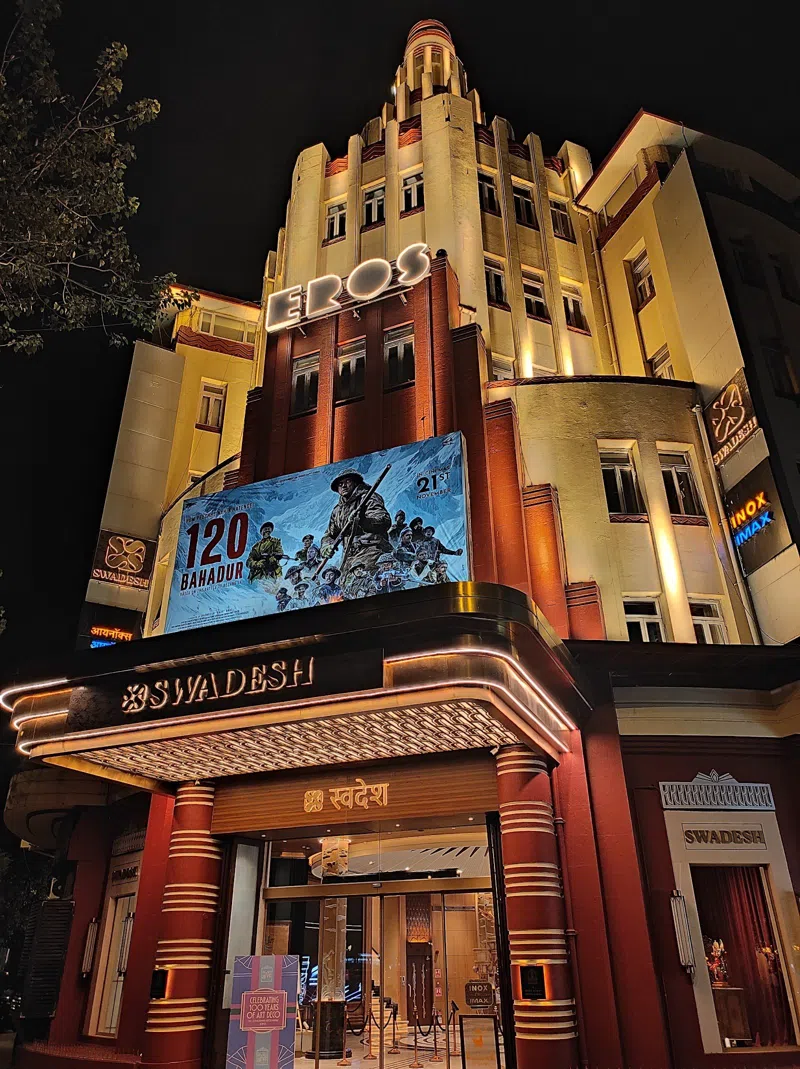
For something still fully alive, buy a cinema ticket. Cinéma Lynx (centre-ville) is, with the grand Rialto now shuttered, the surviving Deco picture-house still screening films daily. The hall is large and takes groups easily; the balcony seats — the 'Club' — are the ones to ask for. Tickets run 25–50 MAD, which makes an evening film one of the cheapest, most atmospheric hours in the city. Showtimes shift day to day, so check the board on arrival rather than trusting anything printed in advance.
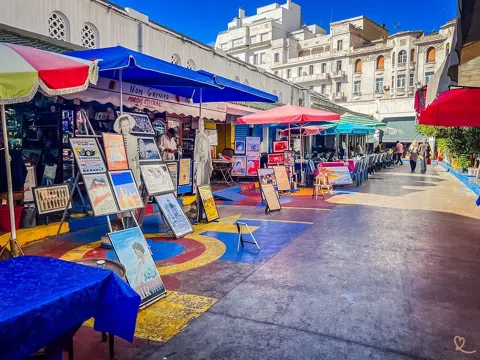
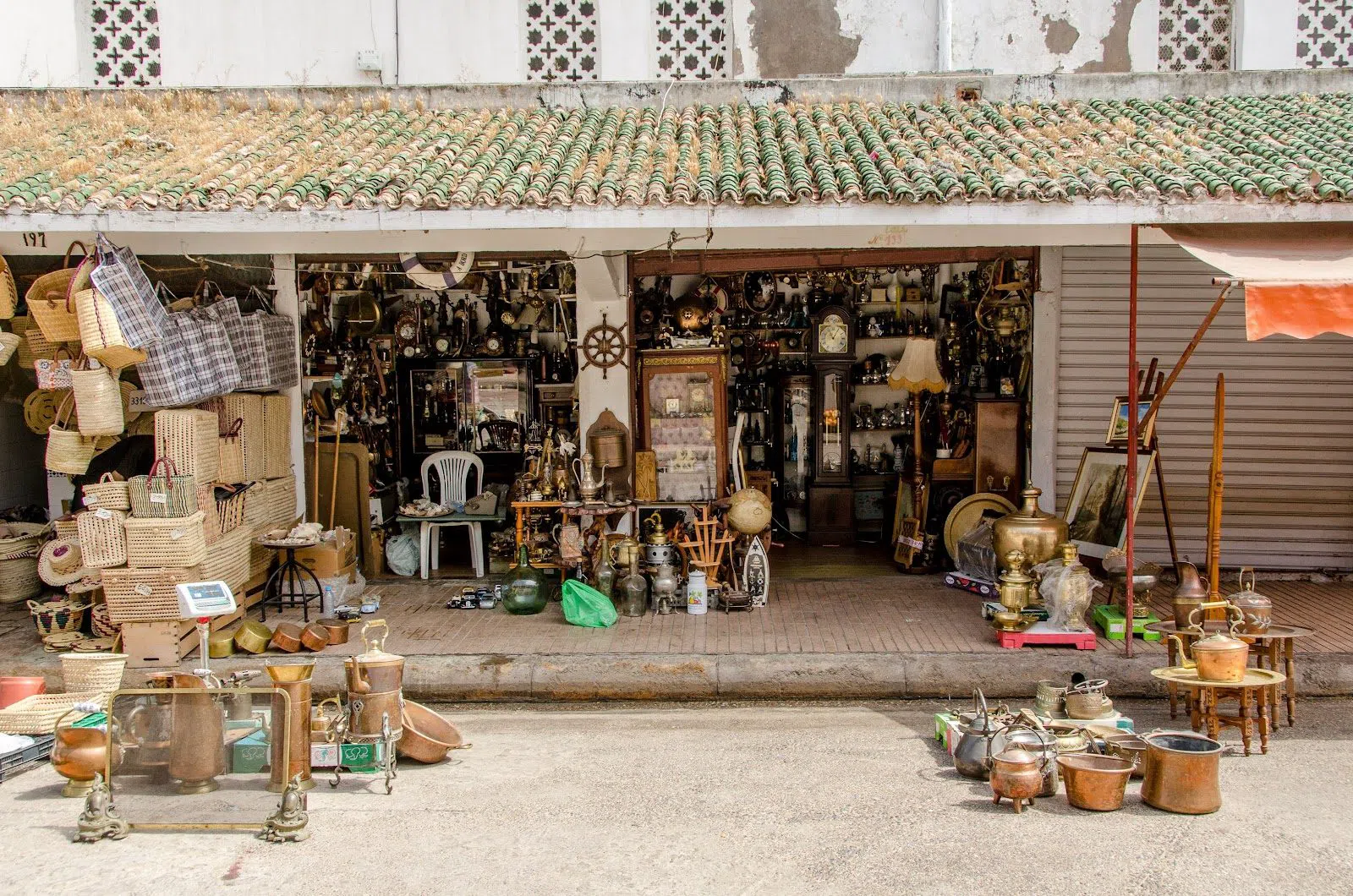
A short walk north, the Marché Central (centre-ville, off Boulevard Mohammed V) is a living 1917 Deco market — flowers, fish, olives, spice — where guides bring tour parties through daily and the open-air lanes handle crowds well. One honest warning for 2026: a phased rehabilitation, adding a rooftop café and terrace, began in 2025 and is ongoing, so expect scaffolding and partial disruption when you arrive. It is still very much worth walking, and the works may even be finished sections by the time you read this, but go in with expectations set.
The medina, reinterpreted
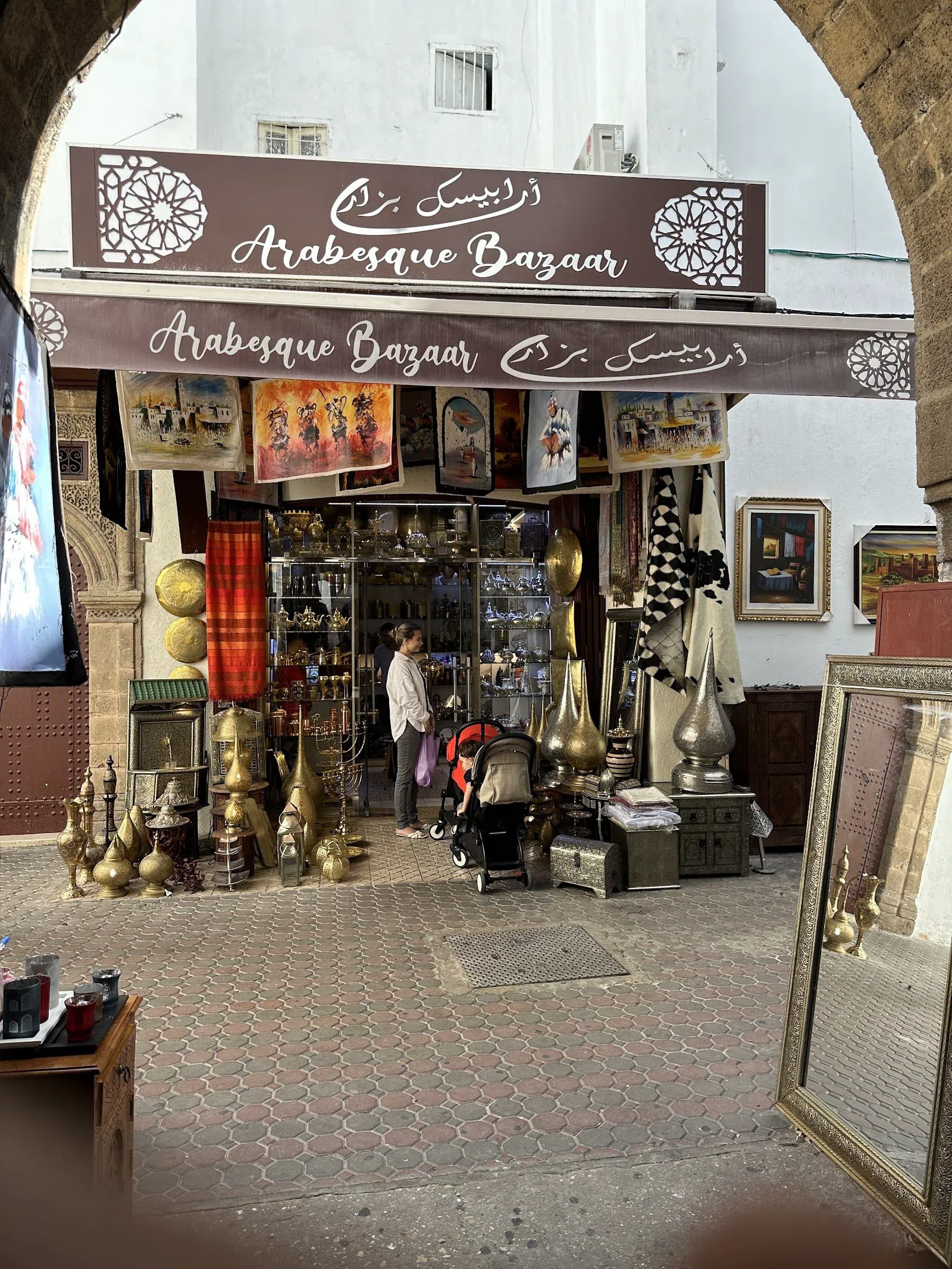
South of the centre lies the district that most confuses first-time visitors — and rewards the ones who understand it. Quartier Habous (the New Medina, roughly 2 km south of Place Mohammed V, easiest by taxi) is not an old medina at all. It is a French-built, Art-Deco-era reinterpretation of a Moroccan medina, laid out in the late 1910s and 1920s: the arches, fountains and covered souks of a traditional quarter, but drawn with the order and hygiene of a modern plan. That paradox is exactly what makes it photogenic and easy — it was built for footfall, so it is ideal for guided groups and coach tours, and it is the city's best browsing for babouches, brass, carpets and traditional pastries. Entry is free; the shopping is where the money goes. Cynics call it a stage set, and they are not entirely wrong, but as a piece of Protectorate-era urban theatre it is fascinating, and it is genuinely pleasant to wander.
Sleeping and drinking in the period
One of Casablanca's real pleasures is that you can not only look at the 1930s but sleep and eat inside it. Three addresses let you do exactly that, at very different price points.
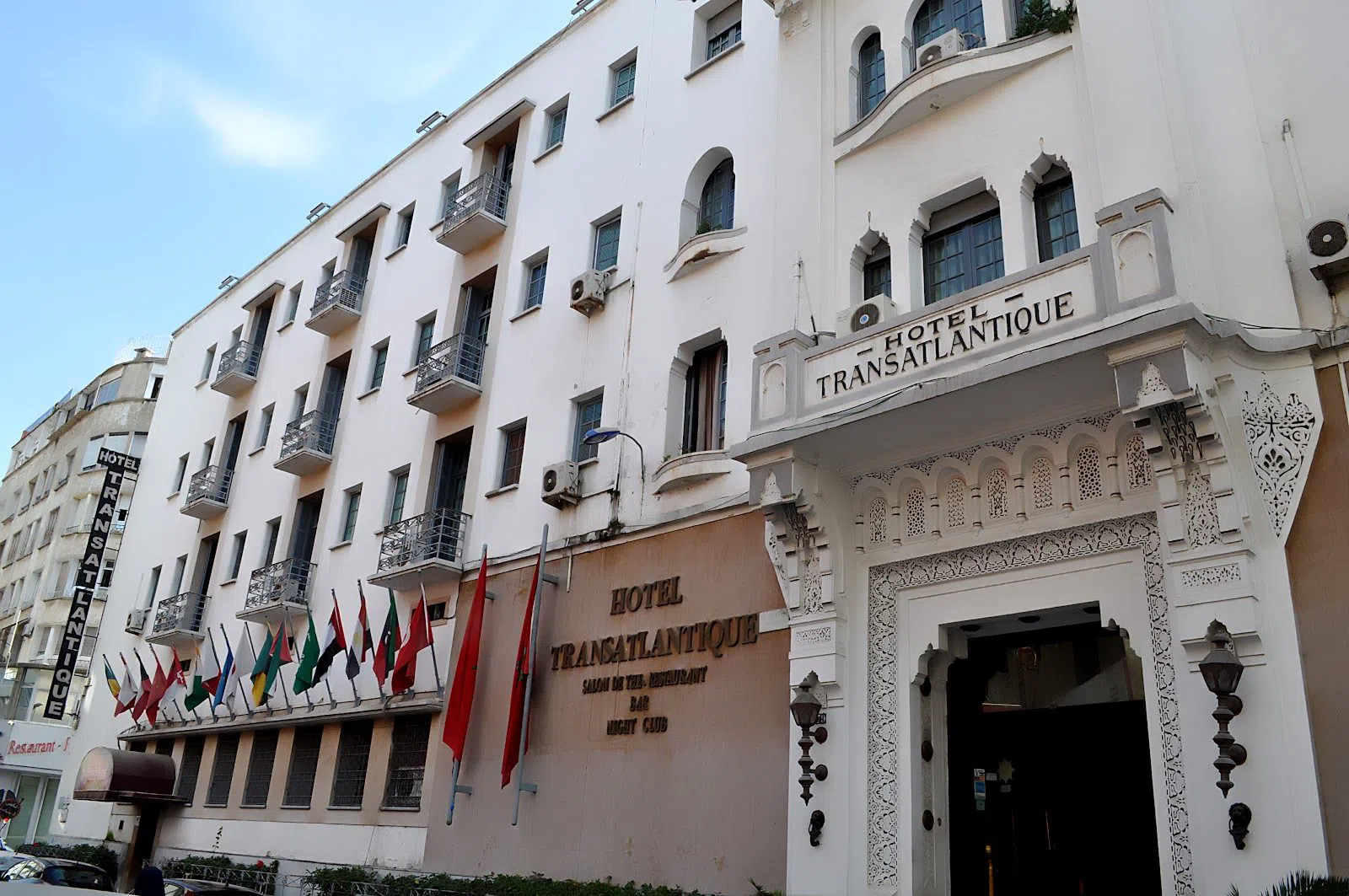
Hôtel Transatlantique (centre-ville, in the heart of the Deco district) is a genuinely operating Protectorate-era Deco hotel, central to everything on this list. Rooms sit in the mid-range at roughly €60–90, and a drink or a light meal in the lobby runs about €10–15. Even if you sleep elsewhere, it is worth ducking in for a coffee to sit inside the period detailing; it takes groups for stays, lunch and drinks, so it doubles as a convenient regrouping point on a walking day. If you want a Deco base within stumbling distance of the sights, this is the practical pick — and you can compare it against the wider Casablanca hotel search before committing.
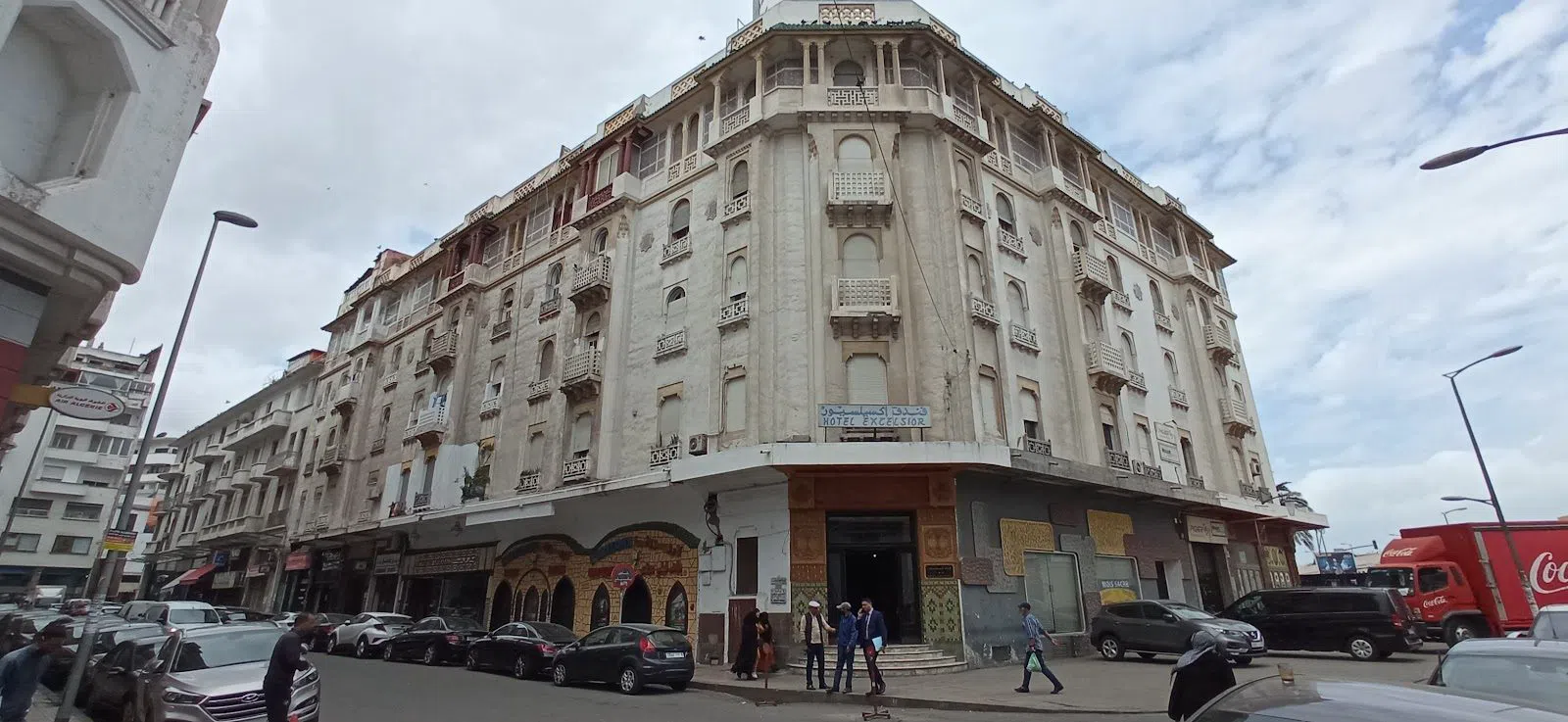
For history over comfort, the Hôtel Excelsior Palace (centre-ville, near Place des Nations Unies) is Casablanca's oldest grand hotel — it opened in the mid-1910s, and Antoine de Saint-Exupéry slept here in his mail-pilot days. It is small (55 rooms, no lift) and charmingly faded, so I'd steer you here for the neo-Moorish façade and the sense of history rather than for a luxurious night; rooms are budget-friendly at around €30–45, but manage expectations, and it is better suited to a lobby look than a large group stay. Go, stand in front of it, understand what it was — then decide.
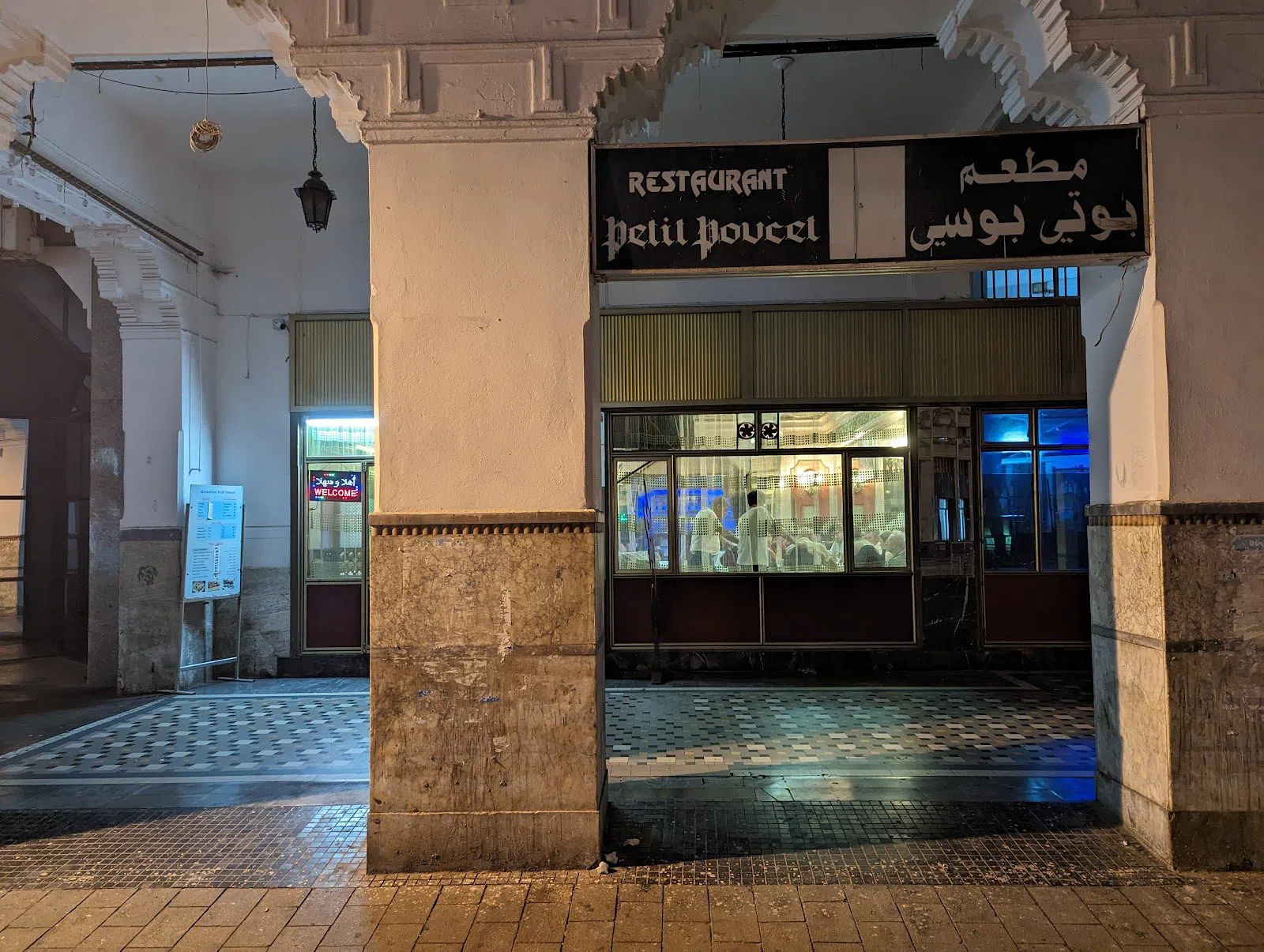
To drink in the era rather than sleep in it, book a table at Le Petit Poucet (centre-ville, on Boulevard Mohammed V), the aviators-and-writers brasserie whose past patrons read like a roll-call of the 1930s — Saint-Exupéry, Camus, Piaf. The rooms are small, so it works for a group of eight to ten if you book ahead, not for a coach party; mains run 80–150 MAD. This is a period interior you dine in, not just photograph, and that is precisely its value.
Seeing it properly: the people who map it
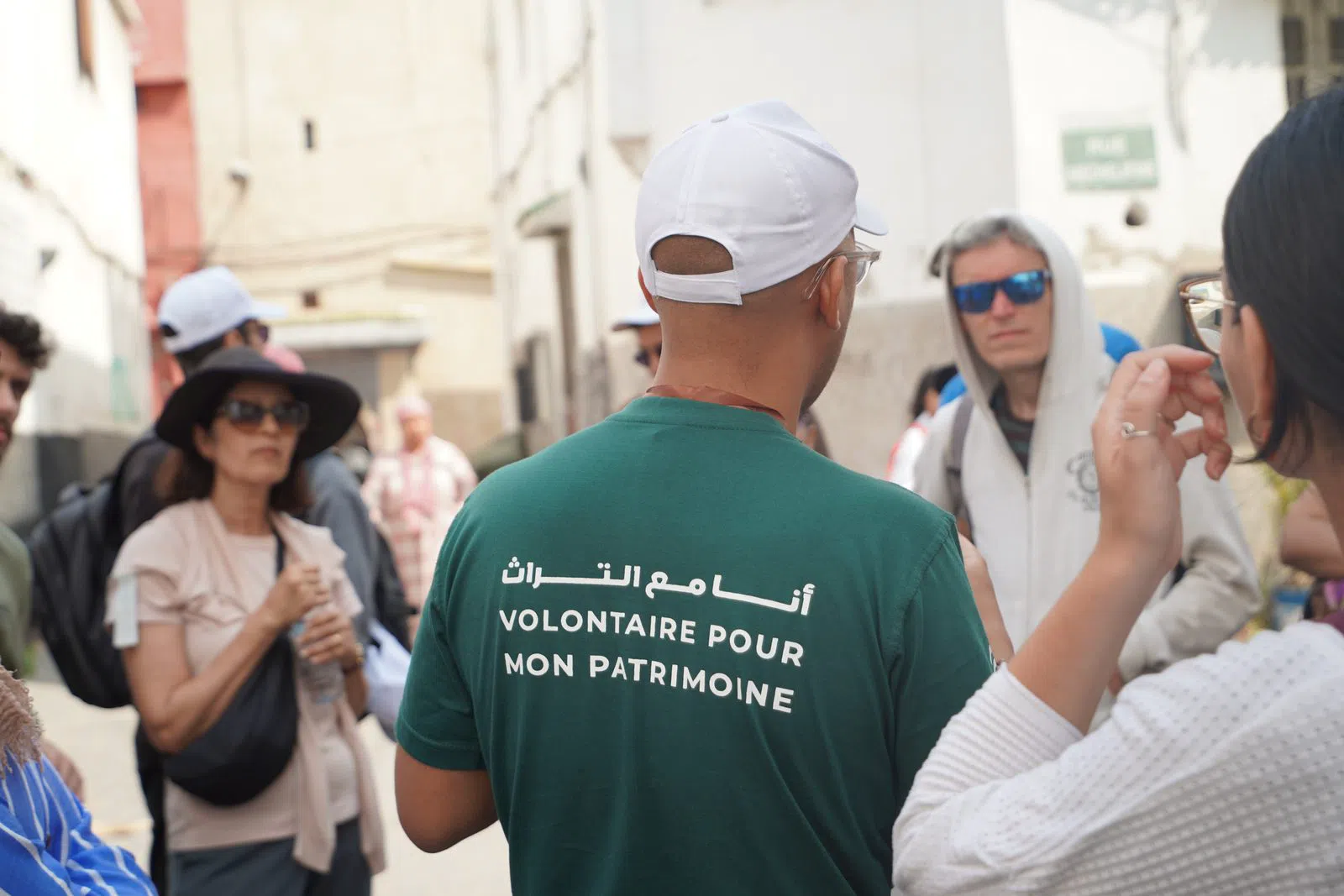
If you take one piece of advice from this guide, make it this: put yourself in the hands of Casamémoire (the citywide heritage NGO). This is the preservation organisation that has literally documented and mapped Casablanca's Deco and Mauresque architecture, and it runs multi-route guided walking tours purpose-built for groups, as well as the annual Heritage Days — a free, festival-scale weekend that draws 25,000-plus visitors and, occasionally, opens the doors of buildings that are otherwise private offices. Heritage Days are free; private or booked routes vary in price but stay low. Going with them is the difference between admiring façades and understanding a city — and it is your best, sometimes only, chance to get inside the buildings this guide can otherwise only show you from the street. For everything else you'll want on the trip — where to eat beyond these pages, how to fill the days either side — the broader Casablanca guide covers the ground.
Practicalities
Getting around. The core Deco district — Place Mohammed V, La Grande Poste, the Marché Central, Cinéma Lynx, Le Petit Poucet, the Transatlantique — is compact and best done entirely on foot; you can link the lot in a half-day's walk. For the two outliers, the Villa des Arts and Quartier Habous, take a small red petit taxi (insist on the meter, or agree a price of roughly 15–30 MAD for a short hop before you set off). The modern tramway is clean and cheap if a route matches your direction, but you won't need it for most of this itinerary.
Cash. Carry Moroccan dirham (MAD) in small notes: the museums, the cinema, the caretaker's tip at the Sacré-Cœur and most Habous stalls are cash-first, and the sums are small. Cards work in the hotels and better restaurants but not much else on this list.
Timing. Aim for late afternoon at Place Mohammed V for the warm light, keep the Musée Abderrahman Slaoui for a mid-week visit (it closes Sunday and Monday), and remember the Villa des Arts is shut on Mondays. Check Cinéma Lynx's board on the day, and expect ongoing rehabilitation works at the Marché Central through 2026. A weekend also improves your odds of finding the Cathédrale Sacré-Cœur open.
Budget. This is an inexpensive city to explore. Most of the essential sights — the squares, La Grande Poste, the Villa des Arts, the Habous, the cathedral exterior — are free; the paid entries (the Slaoui museum, a cinema ticket) are a handful of euros each. Reckon on a very modest daily spend for admissions, plus whatever you choose to eat, drink and carry home from the souks. Casablanca's Art Deco is, in every sense, hiding in plain sight — and it costs almost nothing to go and find it.
Before you go
What does 'Mauresque' mean in Casablanca's architecture?
Mauresque is the hybrid style of Casablanca's 1920s–30s new town: European Art Deco geometry — stepped cornices, streamlined curves, concrete framing — dressed in Moroccan detailing like zellige tilework, horseshoe arches and carved plaster. La Grande Poste is the clearest single example you can walk into.
Can you actually go inside Casablanca's Art Deco buildings?
Some, yes. The Villa des Arts and the Musée Abderrahman Slaoui let you inside restored Deco houses, La Grande Poste's tiled lobby is open as a working post office, and hotels like the Transatlantique welcome a drink. Many others are private offices — a Casamémoire guided tour is your best chance of getting through those doors.
Is Casablanca's Art Deco district walkable?
Very. The core — Place Mohammed V, La Grande Poste, the Marché Central, Cinéma Lynx and Le Petit Poucet — sits in a compact rectangle you can cover on foot in a half-day. Only the Villa des Arts and Quartier Habous need a short petit-taxi ride.
How much does it cost to see Casablanca's Art Deco heritage?
Very little. Most sights are free, including Place Mohammed V, La Grande Poste, the Villa des Arts and the Habous quarter. The Musée Abderrahman Slaoui is 60 MAD (about €6) and a Cinéma Lynx ticket is 25–50 MAD, so admissions total only a few euros a day.
What's the best way to tour Casablanca's Art Deco architecture?
Go with Casamémoire, the heritage NGO that maps the city's Deco and runs group walking tours plus the free annual Heritage Days, which draws over 25,000 visitors and occasionally opens private buildings. It's the most authoritative way to understand — and sometimes enter — the architecture.