The Casablanca issue
The City That Talks Over Coffee: Casablanca's Café Culture and the Art of the Afternoon
From third-wave roasteries in Maarif to a walled garden café in the old medina, a considered guide to where Casablanca actually sits down, orders slowly, and lets the afternoon unspool.
By Etienne DelmasReading Casablanca street by street
Casablanca does not whisper. It argues, jokes, brokers deals and falls quietly in love at café tables from the first coffee of the morning until the streetlights flicker on, and the strongest current in the city's daily life runs not through its mosques or its markets but across a saucer of mint tea. To understand this brash Atlantic port — modern, mercantile, layered with 1930s Art Deco over older Moroccan bones — you don't rush it. You sit down, you order, and you watch the room fill.
The habit is old and it is serious. Under the French protectorate of the 1910s to 1950s, Casablanca grew at speed into one of the Mediterranean world's great boomtowns, and its downtown boulevards filled with the terraced cafés of a European café society. What makes the city interesting in 2026 is that this inheritance now sits shoulder to shoulder with a genuine third-wave coffee scene — young roasters pulling exacting V60s a few streets from pavement cafés that have poured the same strong dark coffee for eighty years. This guide moves through both worlds. It also tells you the truth about each address: which rooms suit a laptop and a long morning, which take a group of six, and which are really built for two.
Where to work: cafés for the long morning
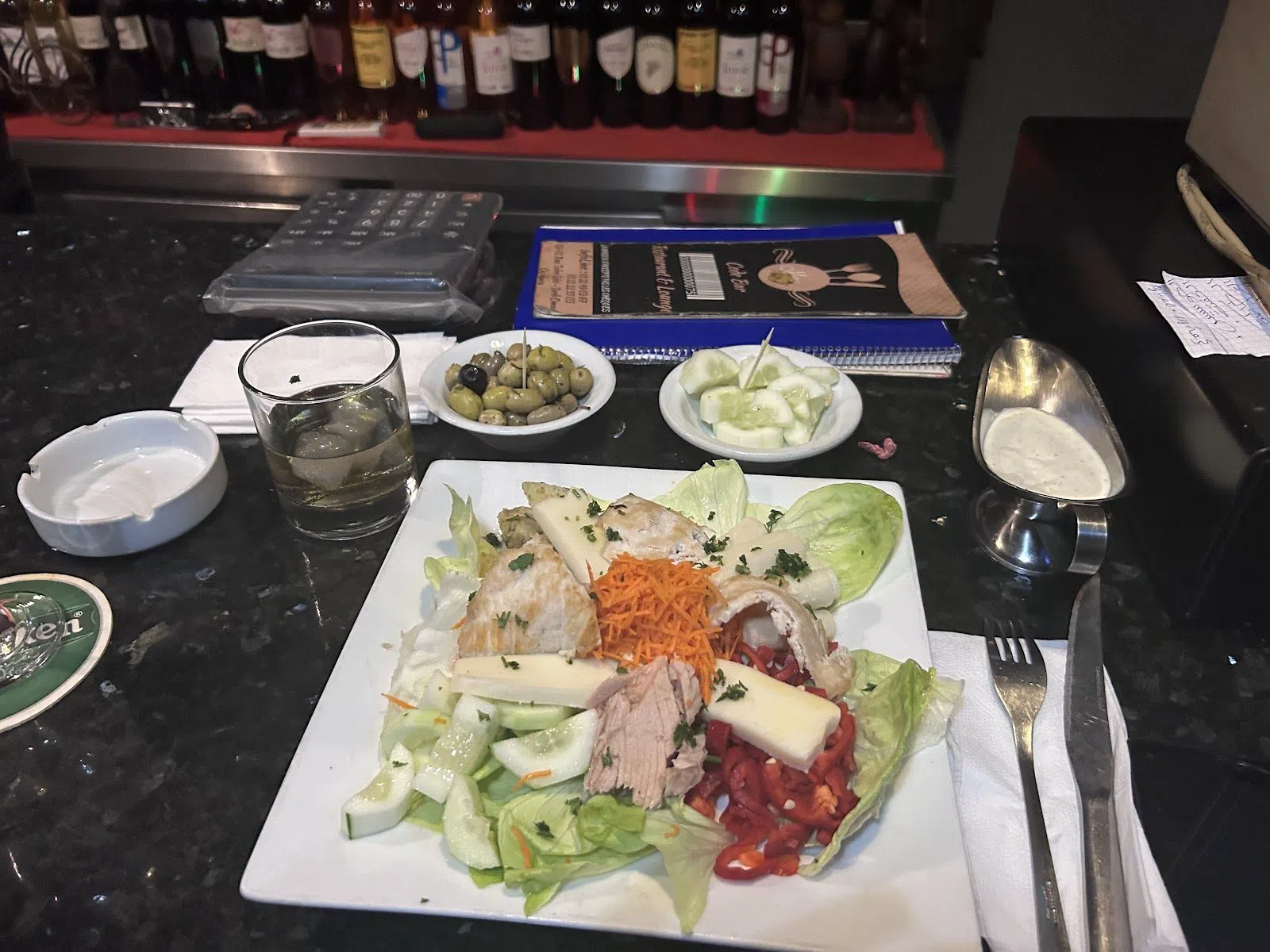
If you are here to get something done, start with Baromètre (Gauthier). It is repeatedly named the city's number-one café for remote workers, and the reasons are practical rather than romantic: fast, reliable WiFi, arguably the best specialty coffee in Casablanca, big communal tables and walls lined with power outlets. The catch is popularity — it fills fast around midday, so arrive before the lunch rush if you need a seat with an outlet. There's no door policy and the mood is casual; a coffee or a working session runs roughly MAD 30–60, which for what you get is fair value. Small work groups fit at the shared tables, but treat a busy midday as first-come, first-served.
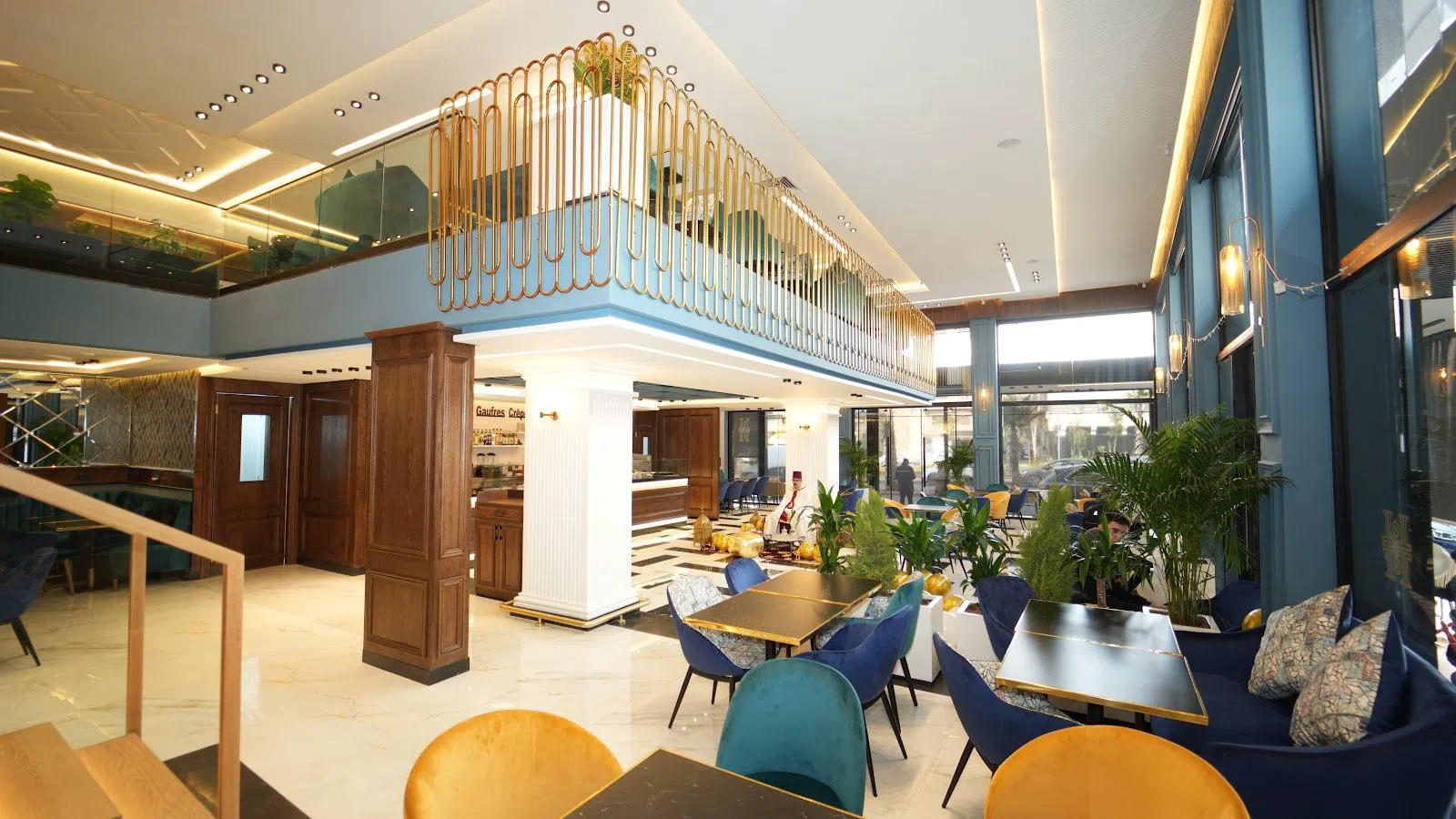
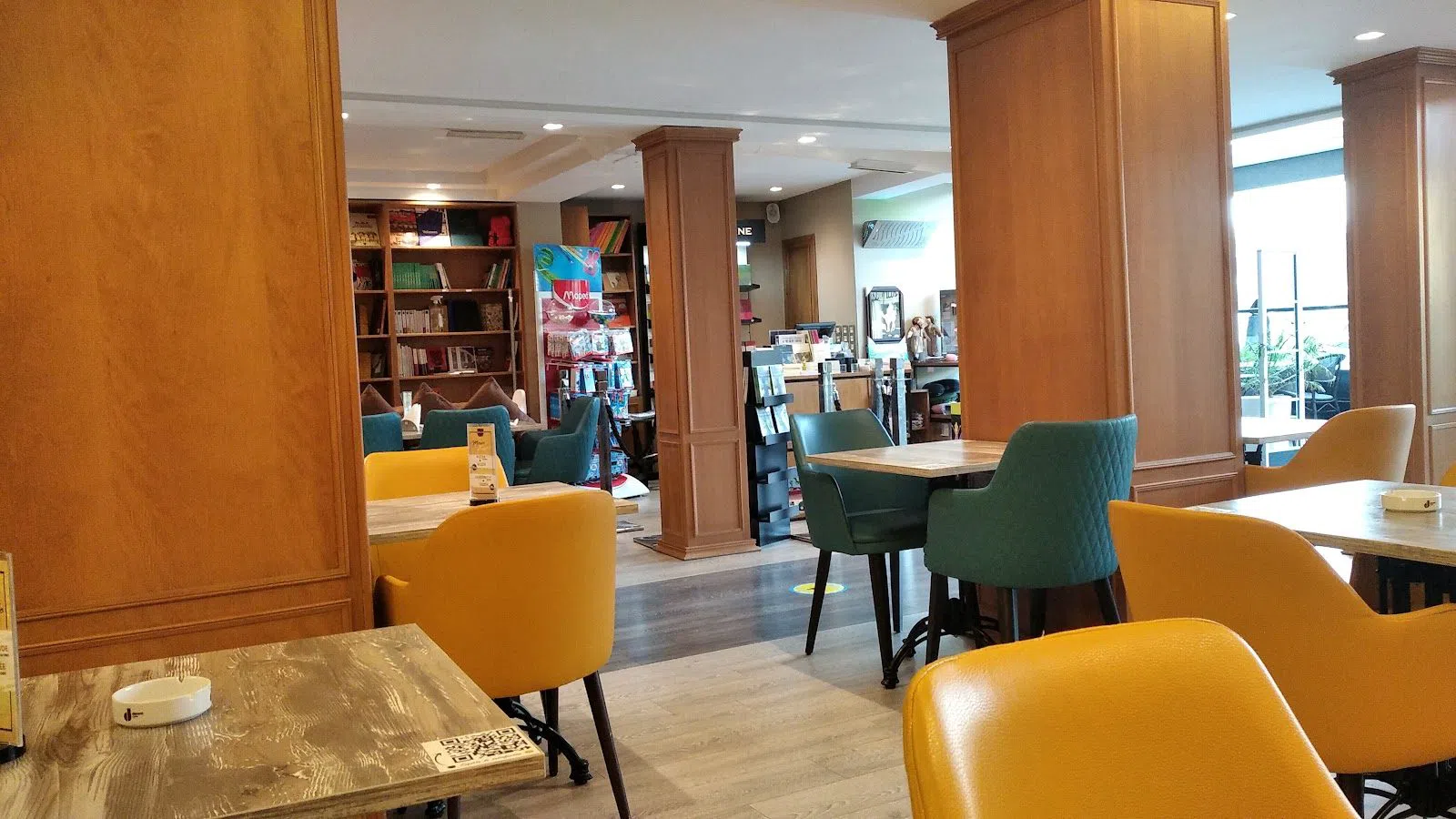
For a calmer, more bookish register, Story Café (central Casablanca) is the antidote to the buzzier specialty bars. It's a book-lined coworking hybrid built for people who want to settle in for hours, with communal tables that suit a remote-work meet-up or a pair of colleagues as easily as a solo reader. Expect around MAD 40–90 for a session. It trades a little of Baromètre's coffee-nerd precision for quiet and comfortable chairs — the better pick when you have a deadline rather than a caffeine agenda.
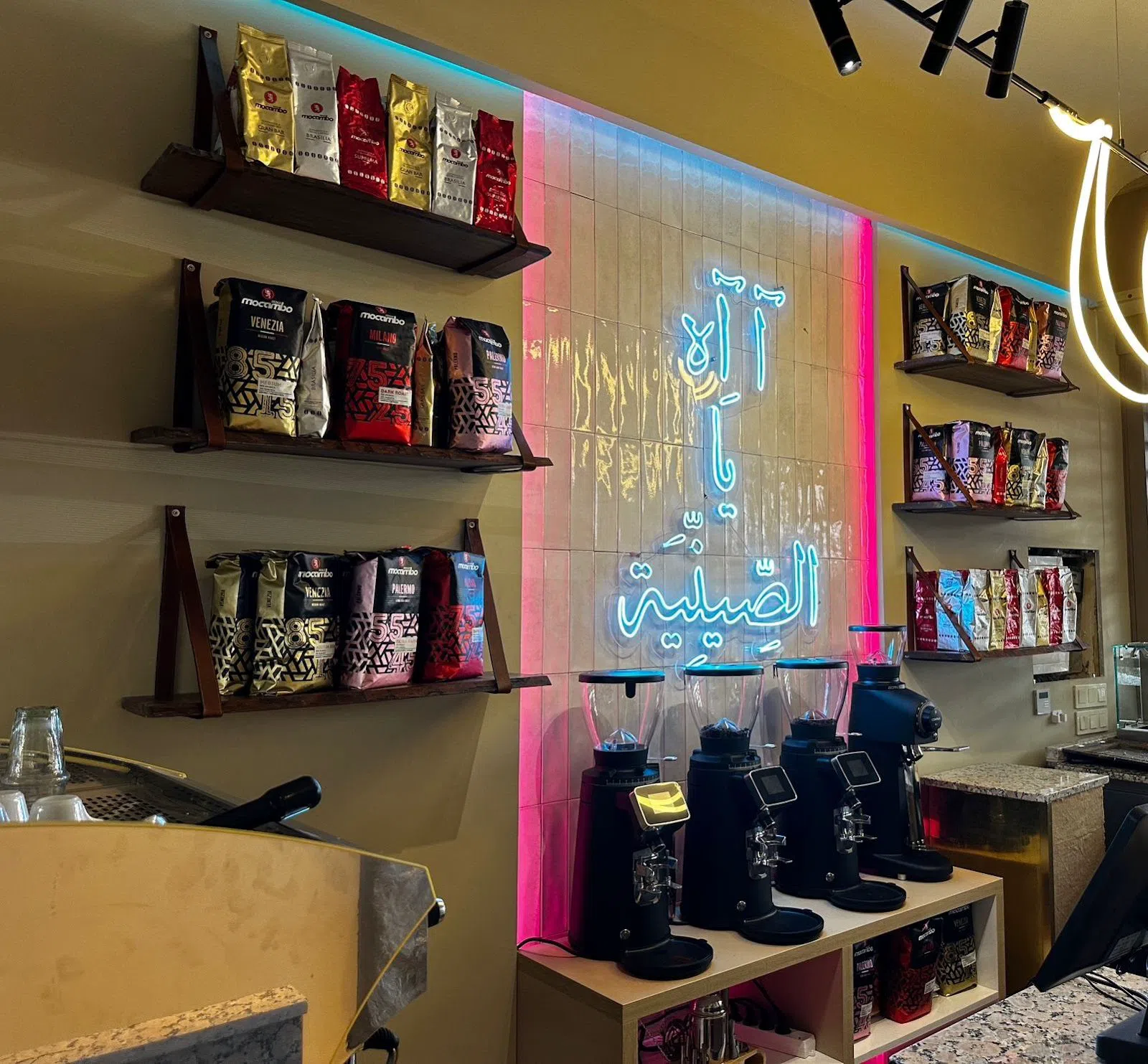
Between those two in feel sits Sinya Coffee (Maarif), the roomier specialty address run by the Drago Mocambo people. It is more relaxed and considerably more spacious than the city's cramped micro-roasters, which makes it the sensible middle ground: quality beans, a calm sit-down atmosphere, and enough room that a small group can linger without anyone glaring at the third chair. Walk in; reckon on MAD 35–70 a coffee. If you want good coffee and space to spread out, this is the one.
Plan your Casablanca trip
Live prices from our booking partners.
Free cancellation on many rooms. We may earn a commission when you book.
The third wave: Casablanca's coffee obsessives
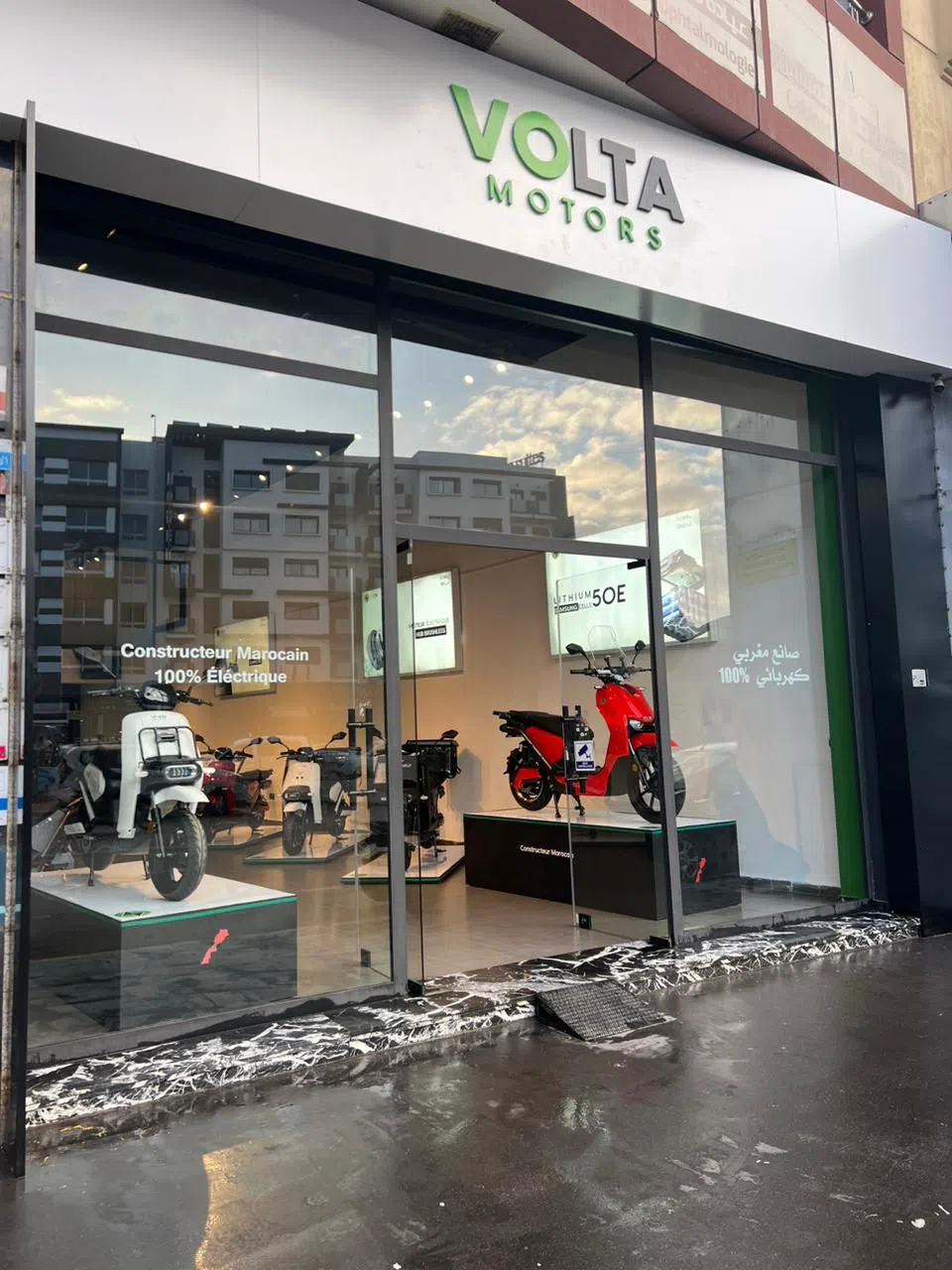
Casablanca's specialty scene is young, small and disproportionately opinionated — and that is a compliment. Its purest expression is Volta (Gauthier), the coffee-snob's pick, widely described as the only place in the city doing properly rigorous specialty coffee, with a V60 pour-over worth ordering for its own sake. Include it for authority and for the cup — but go in clear-eyed about the footprint. The space is very small. This is a bench for one or two, an altar to the bean, not a venue for a group; if there are six of you, admire it another day and split up. No door policy, but the seats are genuinely limited, and cups run MAD 35–70.
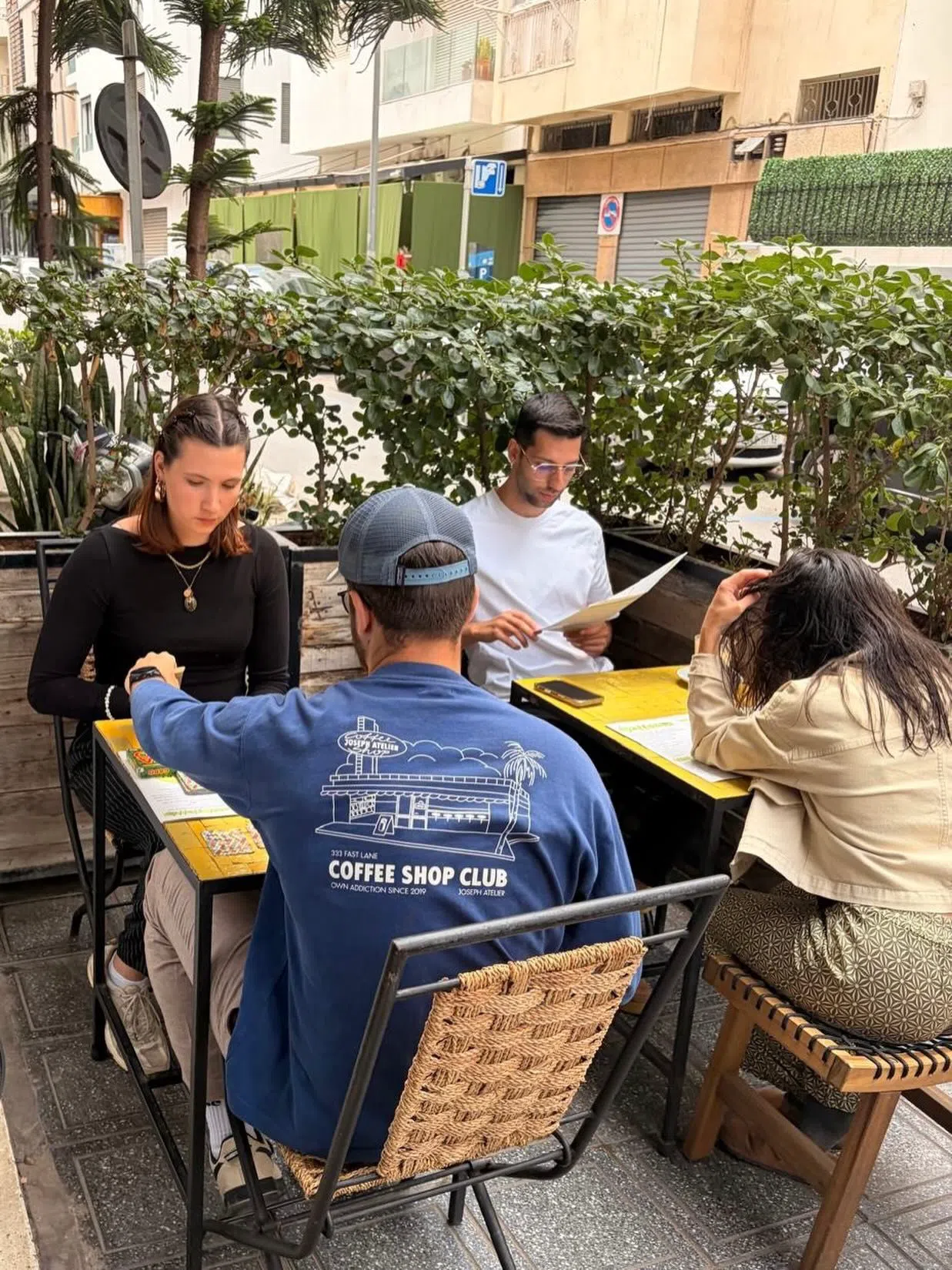
The scene's pioneer is Bondi Coffee Kitchen (central Casablanca), a Moroccan-Australian-run café that arguably started the city's third-wave conversation. It pairs fair-trade organic coffee with a proper all-day brunch menu built to travel well for international palates — the kind of eggs-and-avocado-and-good-flat-white spread that reassures a jet-lagged traveller and still feels local. It's walk-in and relaxed, and unlike the micro-roasters it actually seats small parties, though weekends get busy, so a group is wise to come early. Budget MAD 60–120 a head; this is the reliable morning anchor if brunch matters as much as the coffee.
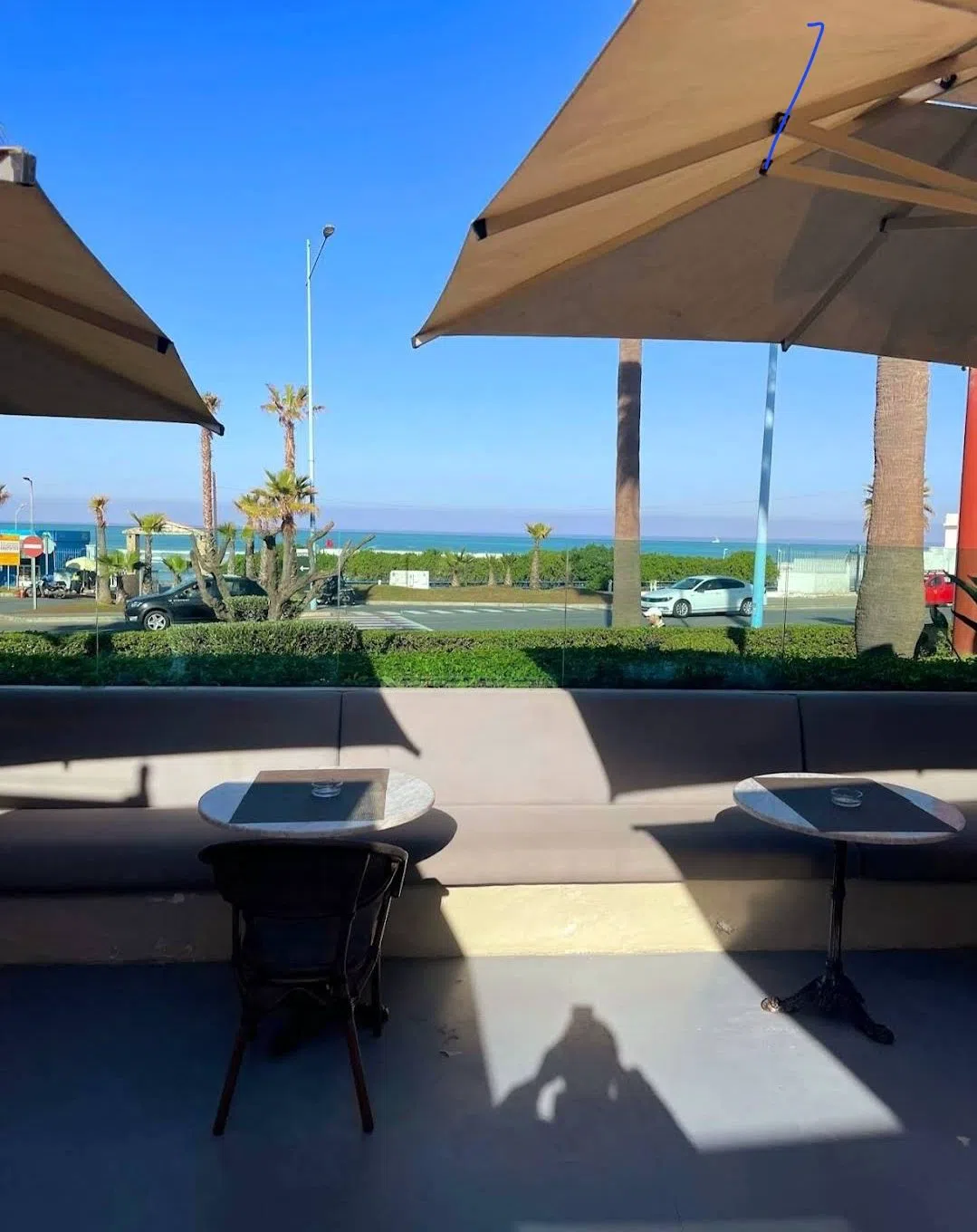
The most flexible operator of the lot is Bianca (Maarif and the Corniche), effectively one name in two moods. The Maarif site is a roastery with a creative, worked-in feel; the Corniche location is a breezy seaside terrace facing the Atlantic. That terrace is one of the better group options in the whole city — walk-in, no strict door policy, and space enough for a big, unhurried breakfast with an ocean view. Around MAD 50–110 a head. If you're travelling as a group and want the coffee to come with a horizon, aim for the Corniche terrace; if you want the roaster's bench and the craft, choose Maarif.
Tradition in a glass: gardens, sweets and the old city
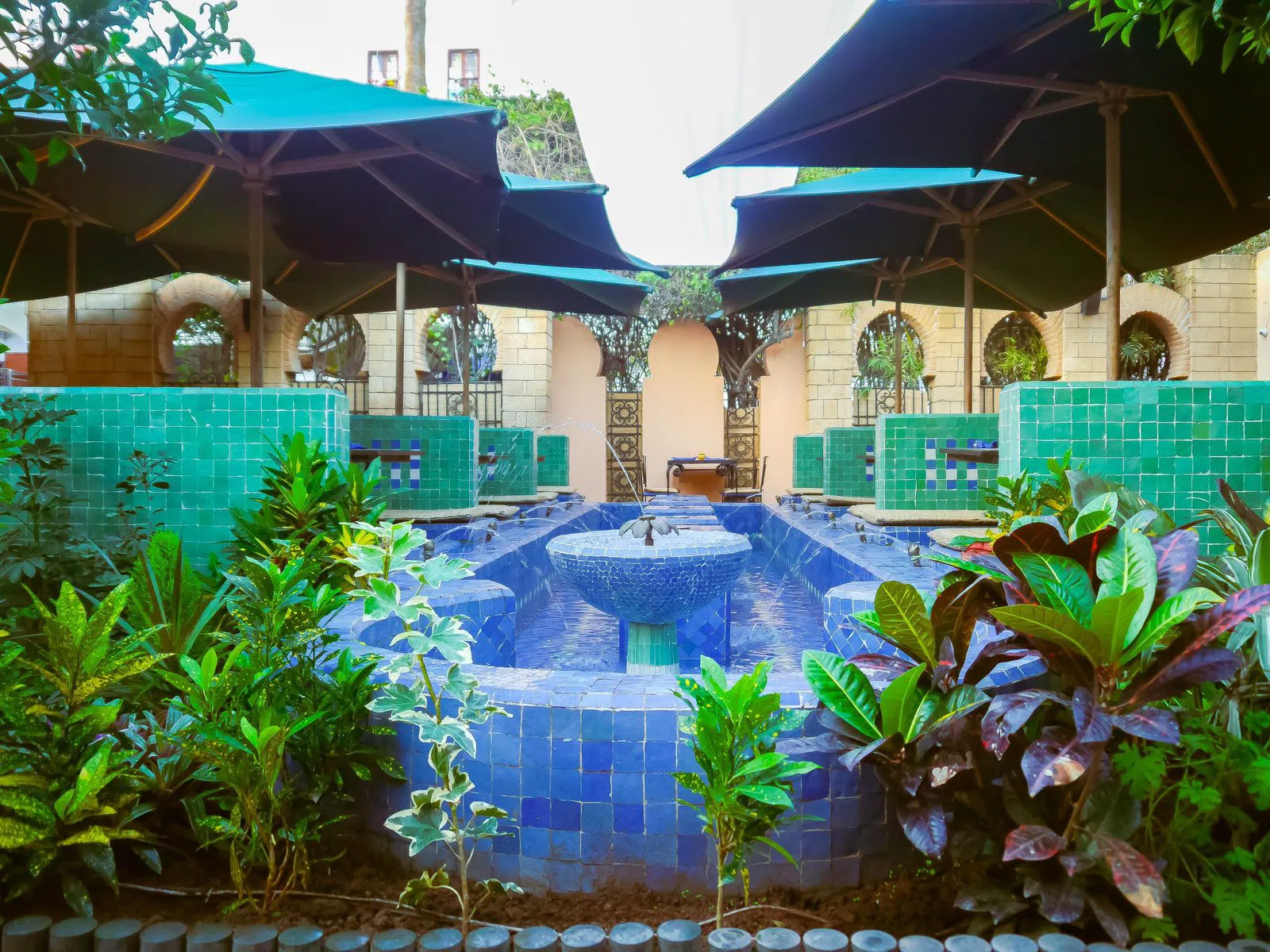
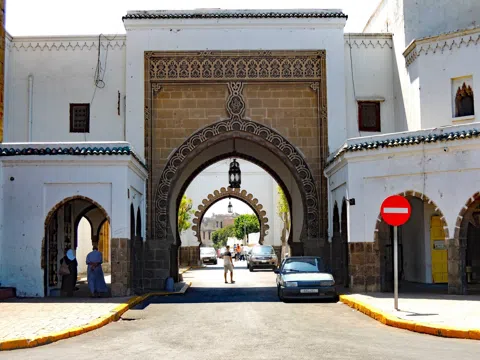
For the older, slower Moroccan idea of a café — mint tea, shade, sugar and time — the city still delivers, and the standout is La Sqala — Café Maure (old medina). Set into the ramparts of the old medina, it's a walled garden of terraces and greenery serving proper Moroccan breakfasts and pot after pot of mint tea. It is comfortably the most atmospheric traditional stop in Casablanca and, crucially, it handles a crowd: multiple terraces, garden seating and private-event capacity mean it seats a group with grace. Reserve at peak times. Expect MAD 80–200 a head — mid to upper for a café, but you are paying for one of the loveliest rooms, or rather gardens, in the city.
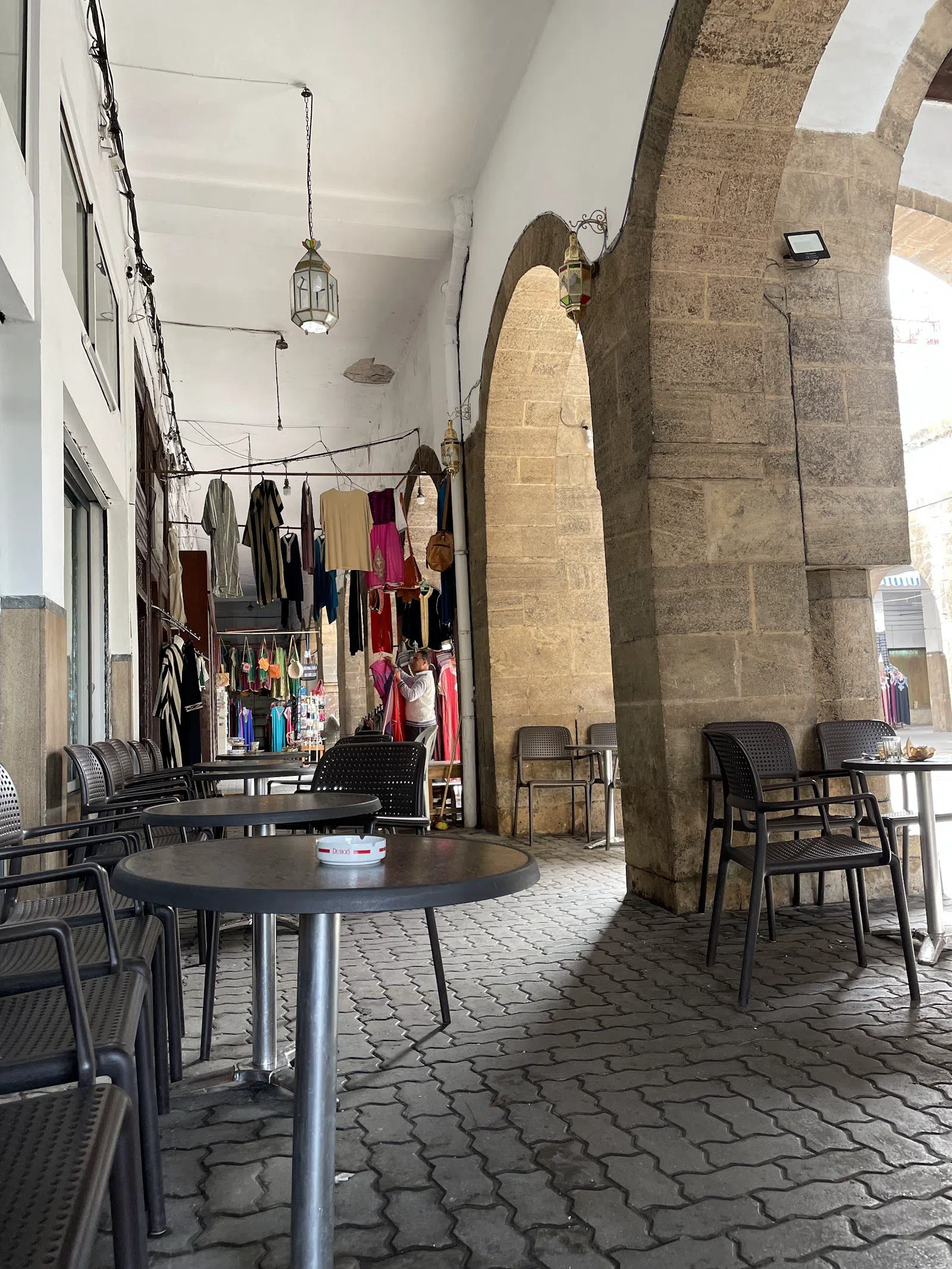
For something cheaper, older and unvarnished, cross to Café Imperial (Habous), one of the oldest cafés in Casablanca and a prime perch for watching the Habous quarter — the planned "new medina" laid out in the 1920s and 30s — go about its business. This is a casual pavement café: no door policy, drinks from a genuinely budget MAD 15–40, and outdoor tables where a group can gather over coffee steps from the district's landmarks. Come for the people-watching and the authenticity, not for a menu.
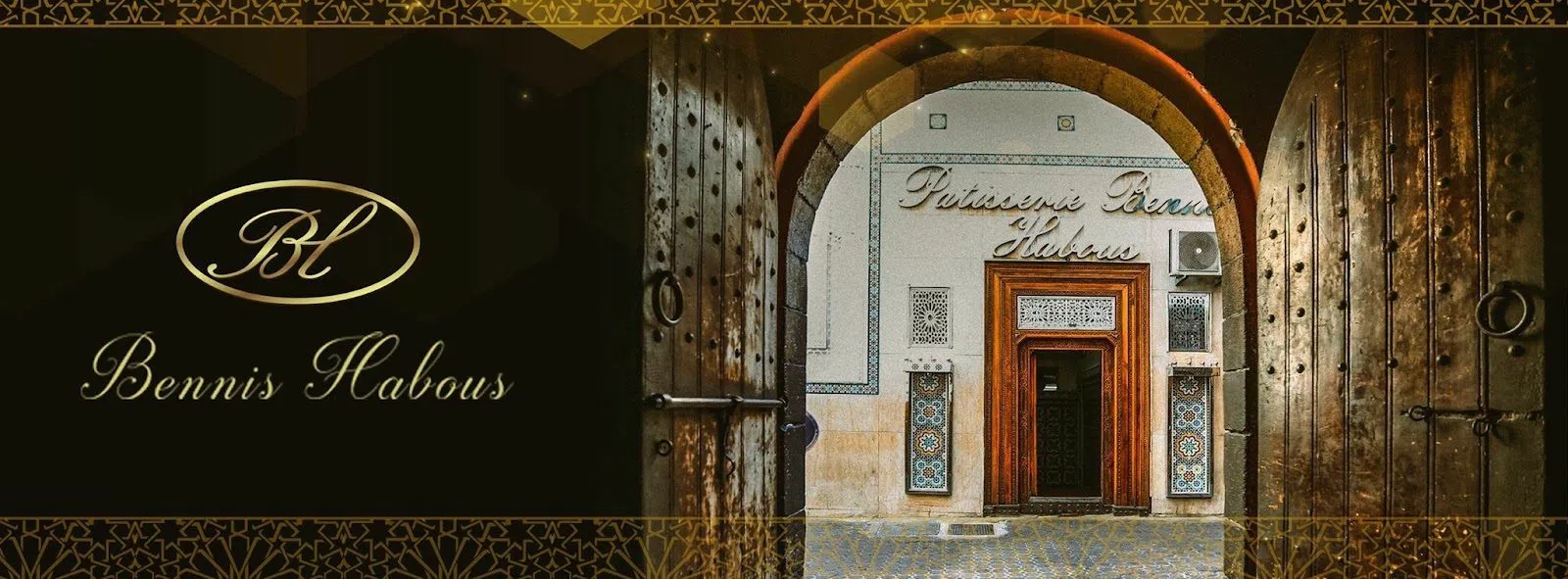
And you cannot talk about the Habous without Pâtisserie Bennis Habous (Habous), the legendary sweet-maker whose cornes de gazelle are a Casablanca institution. Be clear about what it is: a takeaway counter far more than a sit-down café, where groups queue, sample and buy by weight (MAD 10–60 depending on what you carry off) rather than lounge. The move is to buy a box here and take it to a nearby café — Café Imperial is a two-minute walk — for the most authentic Moroccan café-culture bite in the city: fresh pastry, hot mint tea, no rush.
Living history: cafés that outlived their era
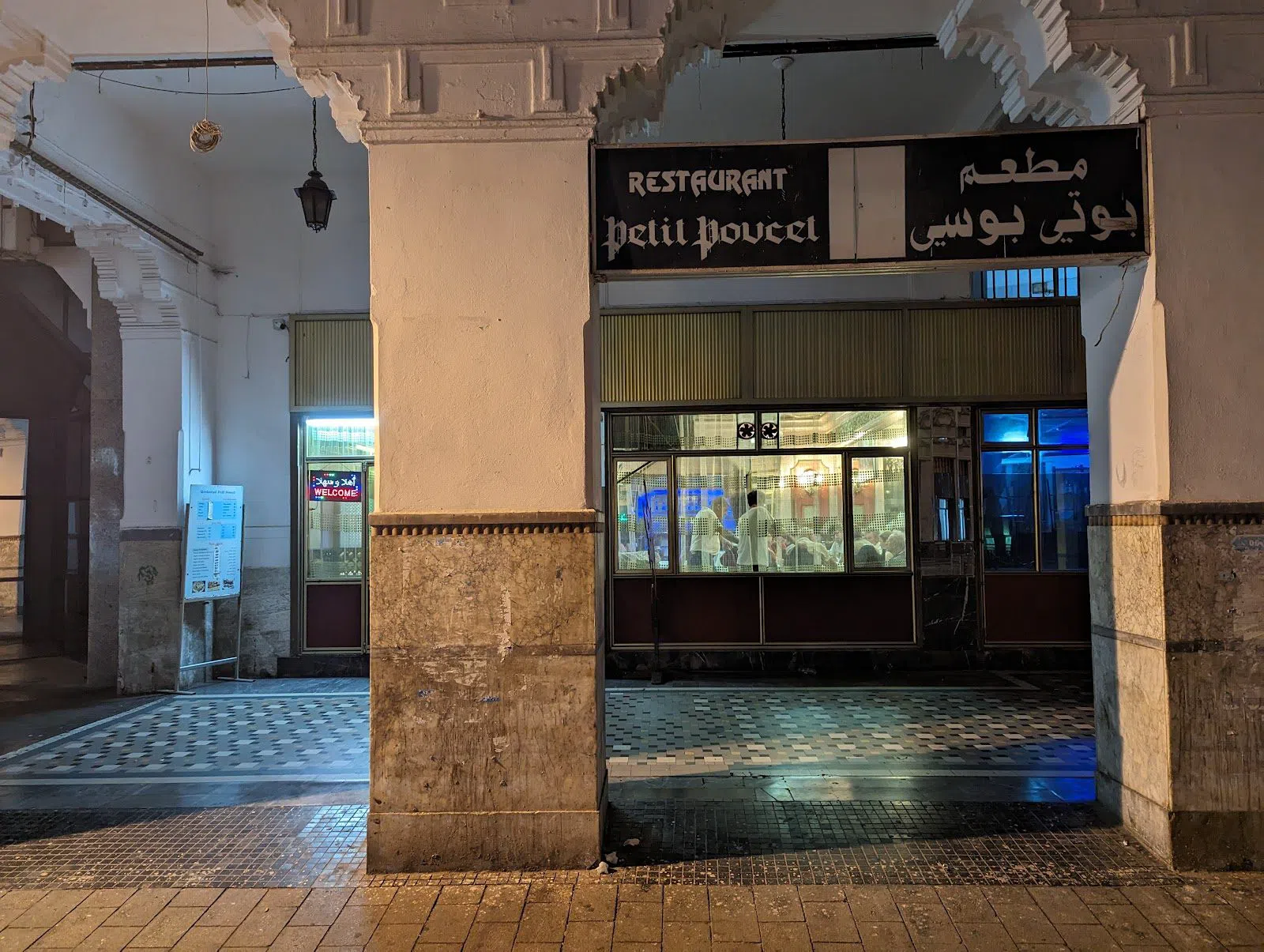
Some Casablanca cafés are worth the visit for who once sat in them. Le Petit Poucet (downtown boulevards) is a living relic of the city's aviation-and-jazz age, once frequented by the writer and Aéropostale pilot Antoine de Saint-Exupéry, by Albert Camus and by Édith Piaf. Go for the faded Art Deco atmosphere and the sense of a room that has watched a century pass — not for the food, because none is served here. It's a casual walk-in that turns from a daytime coffee stop into a drinking den by night; small groups fit on the pavement terrace, and a drink runs a modest MAD 20–50.
More alive as a working cultural space is Papers Club (city centre), Casablanca's original hip literary café and a genuine hub rather than a backdrop. It hosts readings, screenings, workshops and film nights, which means groups and events are not just tolerated but expected — this is where you go if you want your afternoon coffee to come with a conversation, a book launch or a documentary. Around MAD 40–90 a head. Of all the cafés here, it gives a traveller the most beyond the cup: check what's on before you go.
The one experience café
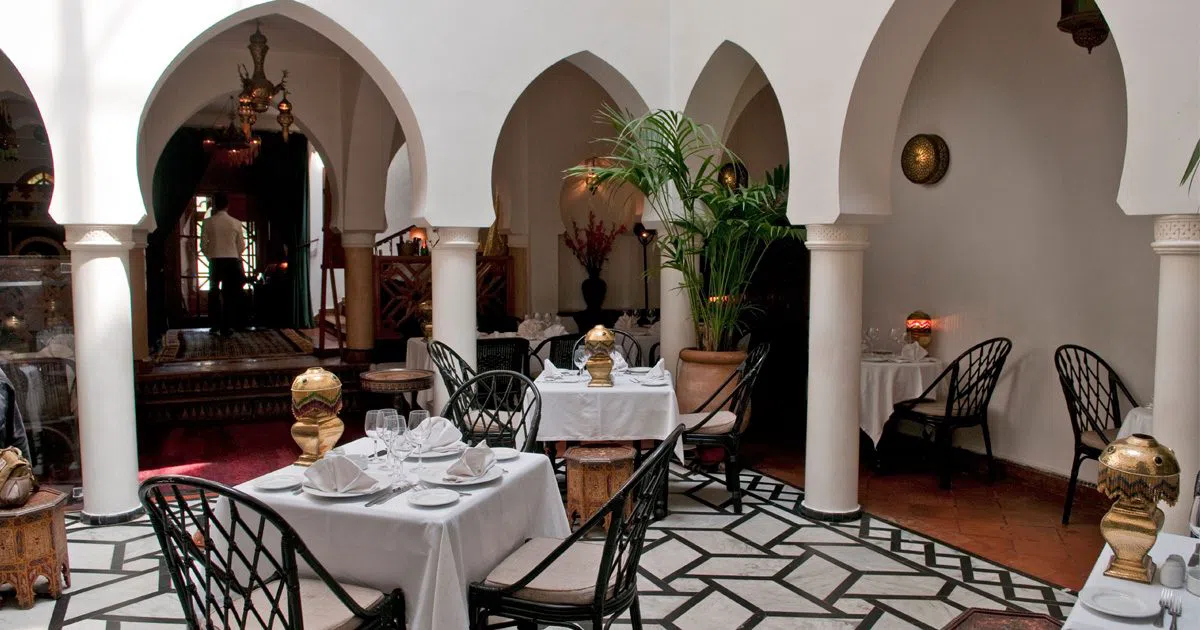
Every visitor asks about it, so let's be honest about it. Rick's Café (edge of the old medina, near the port) is the city's inescapable icon — a lovingly staged homage to the 1942 film that bears the city's name, complete with a live piano. It is touristy and it is expensive, at MAD 250–600 and up per head, and no one should pretend otherwise. But it is also the one "experience" café that international readers actually expect from Casablanca, and the room delivers on the fantasy. It takes groups well — the mezzanine is ideal for a party — but reservations are essential; for an evening table you should book weeks ahead, not days. Treat it as a night out and a piece of theatre rather than a coffee stop, and it earns its place.
How to plan your café days
A sensible three-part rhythm covers the city. Spend a working morning in Gauthier around Baromètre and Volta, with Story Café or Sinya in Maarif when you want quiet. Give an unhurried breakfast or brunch to Bondi or Bianca's Corniche terrace. And devote a slower afternoon to the old city and Habous — La Sqala's garden, Café Imperial's pavement, a box of pastries from Bennis — before an evening that's either cultural (Papers Club) or full-theatre (Rick's, booked well ahead). Where you base yourself shapes all of this: browse the Casablanca hotel search for rooms in or near Gauthier, Maarif and the centre, which put most of these cafés within a short taxi ride or walk. For wider orientation on the city beyond its coffee, see the broader Casablanca guide.
Practicalities: transport, cash, timing and budget
Getting around. The cafés cluster in a few districts — Gauthier, Maarif, the downtown boulevards, and the old medina and Habous — but they don't all sit within walking distance of one another. The city's tramway links several central areas cheaply, and petits taxis (the small red metered cabs) are inexpensive; insist on the meter, or agree the fare before you set off. Traffic thickens at rush hour, so allow extra time crossing town for an evening reservation.
Cash and cards. The dirham (MAD) is the local currency, and it's a closed currency, so change money on arrival rather than before you travel. Specialty cafés and upscale spots like Rick's Café generally take cards, but the traditional pavement cafés, the Habous counters and Pâtisserie Bennis run largely on cash — carry small notes for coffees, pastries and taxis.
Timing. Specialty cafés such as Baromètre fill fast at midday; arrive earlier if you need a table with an outlet. Weekends push Bondi and the brunch spots to capacity, so come early or expect a wait. La Sqala and Rick's Café both reward — and at peak times require — a reservation, and Rick's evenings should be booked weeks ahead. Check Papers Club's schedule in advance if you want to catch a reading or screening rather than just a coffee.
Budget. Casablanca's café culture spans the full range. A pavement coffee at Café Imperial starts around MAD 15, pastries at Bennis go by weight from MAD 10, and a cup at the specialty bars runs MAD 30–70. A proper brunch at Bondi or Bianca lands at MAD 60–120 a head, La Sqala's garden breakfast at MAD 80–200, and an evening at Rick's Café from MAD 250 upward. Tipping a few dirhams, or rounding up, is normal and appreciated. Budget travellers can drink and eat superbly for very little; the splurge is optional, and mostly reserved for the one night you give to the piano and the legend.
Before you go
Which Casablanca café is best for remote work and WiFi?
Baromètre in Gauthier is repeatedly named the city's top café for digital nomads, with fast WiFi, outlet-lined walls, big communal tables and arguably the best specialty coffee in town (about MAD 30–60). It fills fast at midday, so arrive early for a seat near power. Story Café is a quieter, book-lined coworking alternative if you want calm over coffee-nerd precision.
Do I need to book a table at Rick's Café in Casablanca?
Yes. Rick's Café is the city's most popular themed café-restaurant, and reservations are essential — for evening tables with the live piano you should book weeks ahead, not days. Its mezzanine is ideal for groups, but expect upscale prices of roughly MAD 250–600+ per head. Treat it as a night out rather than a casual coffee stop.
Where can I experience traditional Moroccan café culture in Casablanca?
For the classic mint-tea-and-shade experience, La Sqala — Café Maure, set in the old medina ramparts, is the most atmospheric, with walled gardens and proper Moroccan breakfasts (MAD 80–200, reservation recommended at peak). In the Habous quarter, pair budget-friendly Café Imperial's pavement tables with pastries from the legendary Pâtisserie Bennis Habous nearby.
Which Casablanca cafés are best for groups versus couples?
Good group options include La Sqala's gardens, Bianca's Corniche seaside terrace, Bondi Coffee Kitchen for brunch, Papers Club for cultural events, and Rick's Café mezzanine (booked ahead). Volta is tiny and best for one or two, not groups. Sinya Coffee is a roomier middle ground, and Café Imperial's outdoor tables suit casual gatherings.
How much does coffee cost in Casablanca, and should I bring cash?
Prices span a wide range: a pavement coffee at Café Imperial starts around MAD 15, specialty cups run MAD 30–70, brunch at Bondi or Bianca is MAD 60–120, and Rick's Café climbs to MAD 250+ per head. Specialty and upscale venues usually take cards, but traditional cafés and Habous counters run on cash, so carry small dirham notes.