
Six mornings a week, before the boulevards of Casablanca fill with traffic and the muezzins finish their first call, women arrive at the door of a whitewashed building carrying a plastic bucket, a folded stool, and a bar of black soap wrapped in a knot of cellophane. They do this today for the same reason their grandmothers did it under the French protectorate, and their grandmothers' grandmothers did it long before Marshal Lyautey ever laid a ruler across a map of this city in 1912: because the hammam here was never a spa treatment. It is Tuesday, or it is Sunday, or it is whichever morning belongs to the family and the neighbours, and it survived seventy years of colonial urban planning, forty years of oil-boom construction, and the arrival of a hundred imported wellness brands without once needing anyone's permission to keep going.
The Anatomy of a Steam
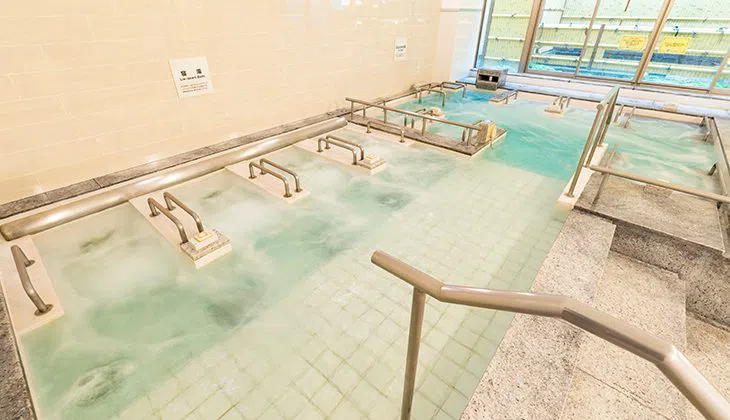
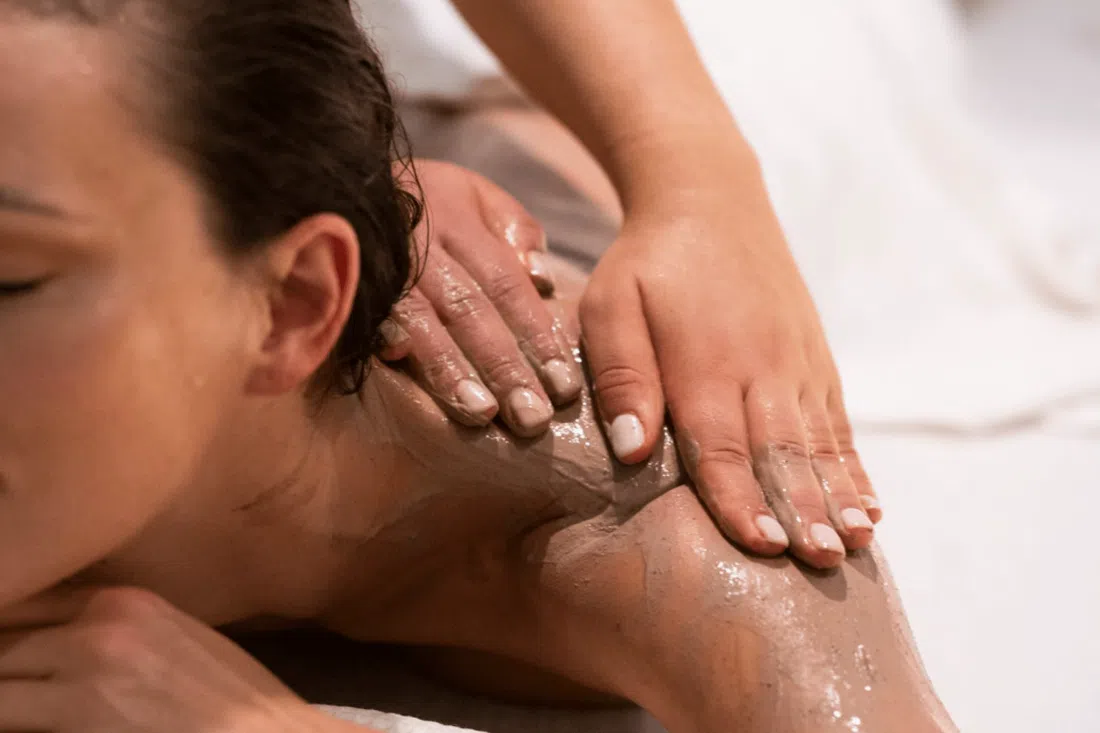
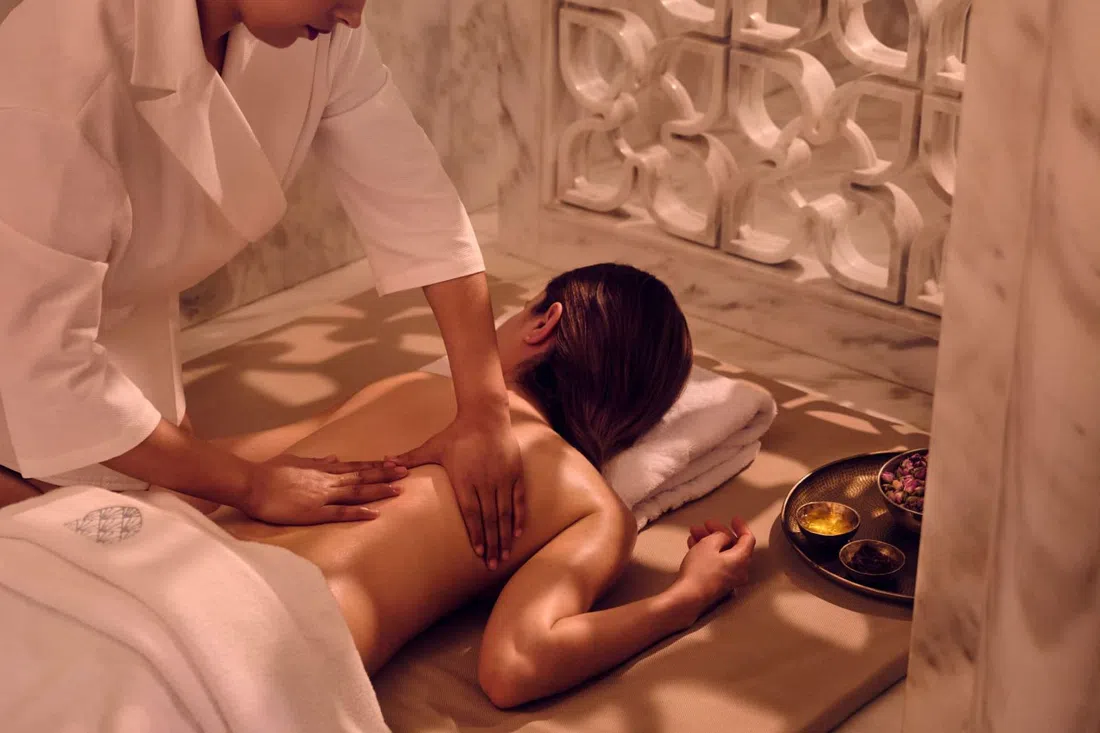
A hammam is a piece of engineering before it is a ritual, and understanding the plumbing explains most of what a first-time visitor finds confusing. The building is organised as three rooms of ascending heat, a plan that traces back through Ottoman and Andalusian bathing culture to the Roman thermae, adapted over centuries into something distinctly Maghrebi and folded into the daily rhythm of Islamic ablution. You undress in the first, cool room, wrap yourself in a towel or simply your underwear, and move into the second, a warm middle chamber where the body acclimatises and the steam starts to loosen the skin. The third room is the bit skhoun, the hot room, where the real work happens: you sit or lie on the tiled floor, sweat for ten or fifteen minutes, and only then does the kis come out — a coarse mitt, usually a rough black or brown weave, that an attendant or a friend drags across your arms, back, and legs in firm strokes. What comes off is startling the first time you see it: grey rolls of dead skin, proof that ordinary showering never touches this layer. Before or after the kis, the black soap goes on — savon beldi, a warm, olive-based paste, left to sit for a few minutes before the scrub — and many visitors finish with a rinse of ghassoul, a mineral clay mined from the Atlas foothills, worked through the hair. None of this requires a menu or a booking confirmation. In a genuine neighbourhood hammam you bring your own kit or buy it at the door for a few dirhams, and you scrub yourself, or a friend scrubs you, or — for a modest tip — the in-house dellaka does it for you with the practised indifference of someone who has scrubbed ten thousand backs before yours.
The Neighbourhood Institution
The clearest way to understand what a hammam actually is in Casablanca — as opposed to what the word has come to mean in a hotel spa brochure — is to visit one that never stopped serving its own street. Hammam Ziani, in the dense residential Maarif district, is the reference point: a 4.5-star rating built on more than two thousand reviews, which for a business with zero marketing budget and no social-media manager tells you everything about how a neighbourhood actually feels about the place. It runs on the logic of a public utility rather than a leisure venue — locals come through on their own schedule, day in, day out, and the hammam absorbs small groups and solo travellers into that same flow rather than building a separate experience around them. A gommage package runs roughly 100 to 250 MAD depending on what you add to the basic scrub, and the honest advice is to arrive without expectations of hotel-spa choreography: you queue, you pay, you're shown to a room, and the ritual proceeds at the pace of the room you're in, not a printed treatment card.
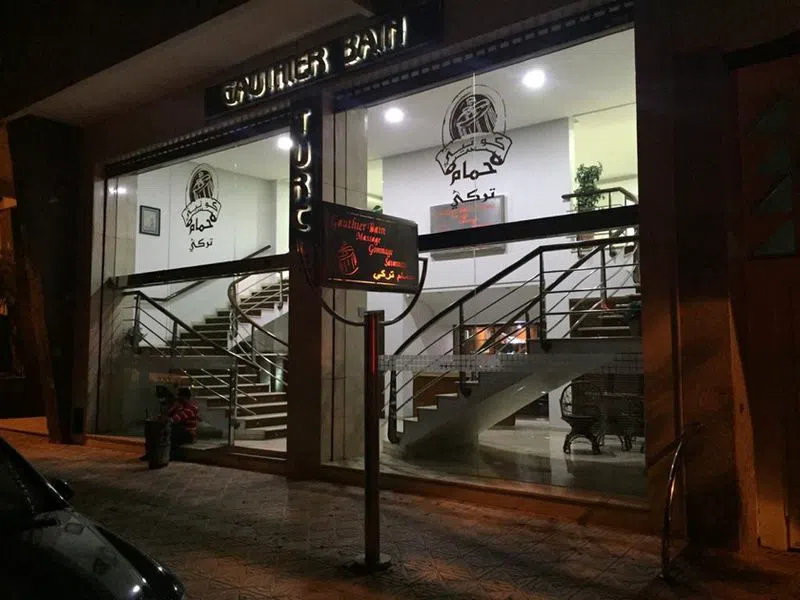
A few kilometres away, in Gauthier — the district named for the French engineer who helped plan this stretch of the city during the protectorate years — Gauthier Bain Turc occupies the more modest, plainer end of the same tradition. This is a workers'-quarter hammam in the fullest sense: an entry fee of around 70 MAD covers admission and a scrub, small groups and solo walk-ins are handled without fuss, but it is not built for a coach party. Nothing about the building performs for a camera. It has simply kept its doors open through the decades in more or less the way it always has, and that continuity — not restoration, not rebranding — is the point. If Ziani is the hammam a whole neighbourhood is proud of, Gauthier Bain Turc is the one nobody thinks to be proud of, because pride implies novelty, and this place has never needed to be new.
The Women's Hour
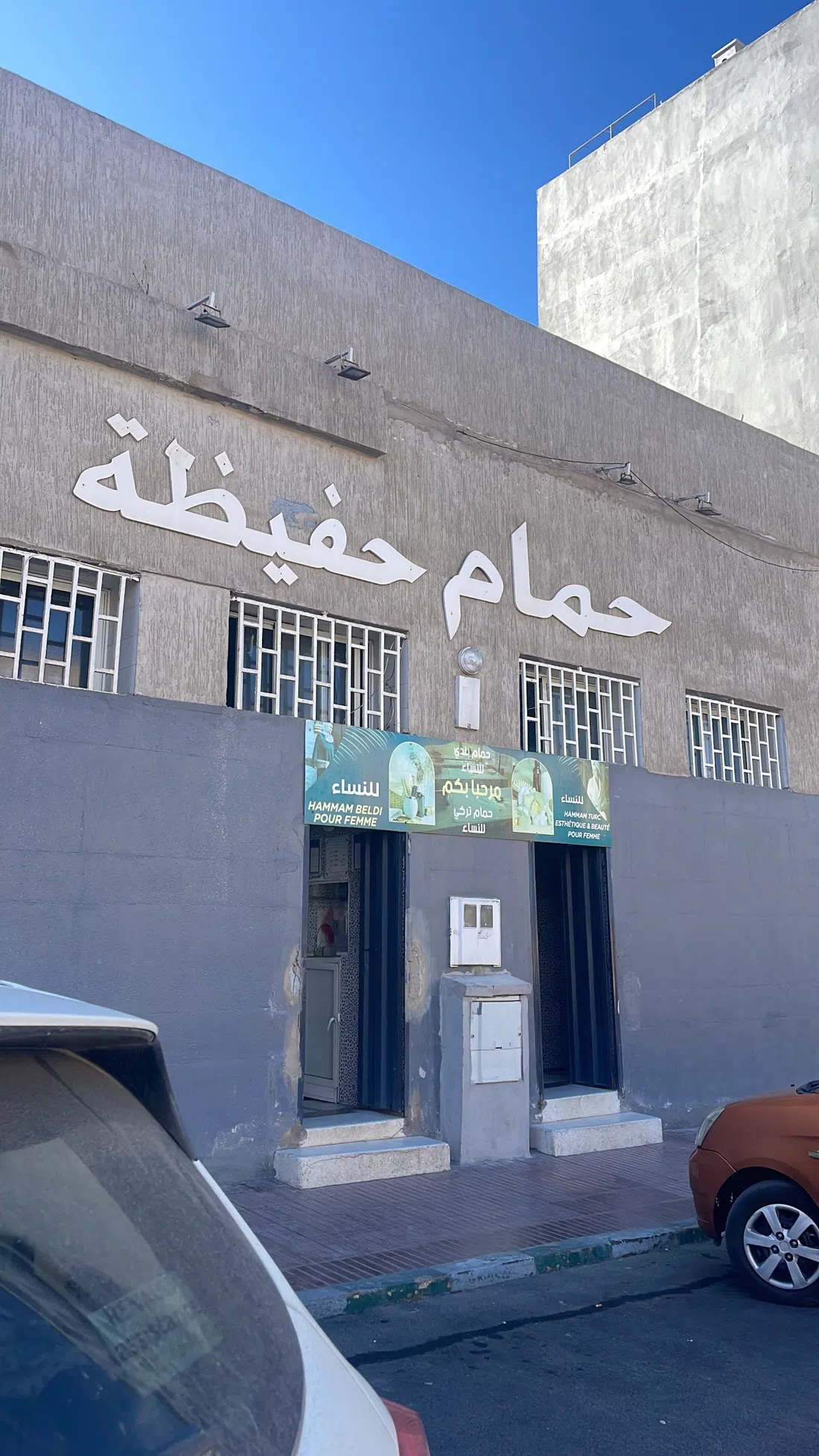
For much of the twentieth century, and in many households still today, the hammam was one of the only sanctioned spaces where women moved freely outside the home, unaccompanied by men, for hours at a stretch. That history is legible at Hammam Hafida, in the Habous quarter — the so-called nouvelle médina that French planners built in the 1930s as a curated, ordered version of a traditional old town. Hafida has served the same catchment of neighbourhood women for forty-five years, which in a city that demolishes and rebuilds with startling speed is its own kind of monument. It is women-only, without exception — men are not admitted, full stop — and it welcomes groups of friends easily, because that is largely what it exists for: not the solitary self-care visit of a Western spa but a weekly social occasion, gossip and steam in equal measure, where three generations of the same family might scrub each other's backs in the hot room on a Thursday afternoon. Pricing sits in the budget-to-mid range. The gendered separation that defines Hafida is standard practice across the city's neighbourhood hammams generally, whether by separate men's and women's sections, alternating days, or split hours — always worth confirming by phone before you go, since the arrangement varies hammam to hammam and is rarely posted in English, or posted at all.
Where the Ritual Meets the Spa Industry
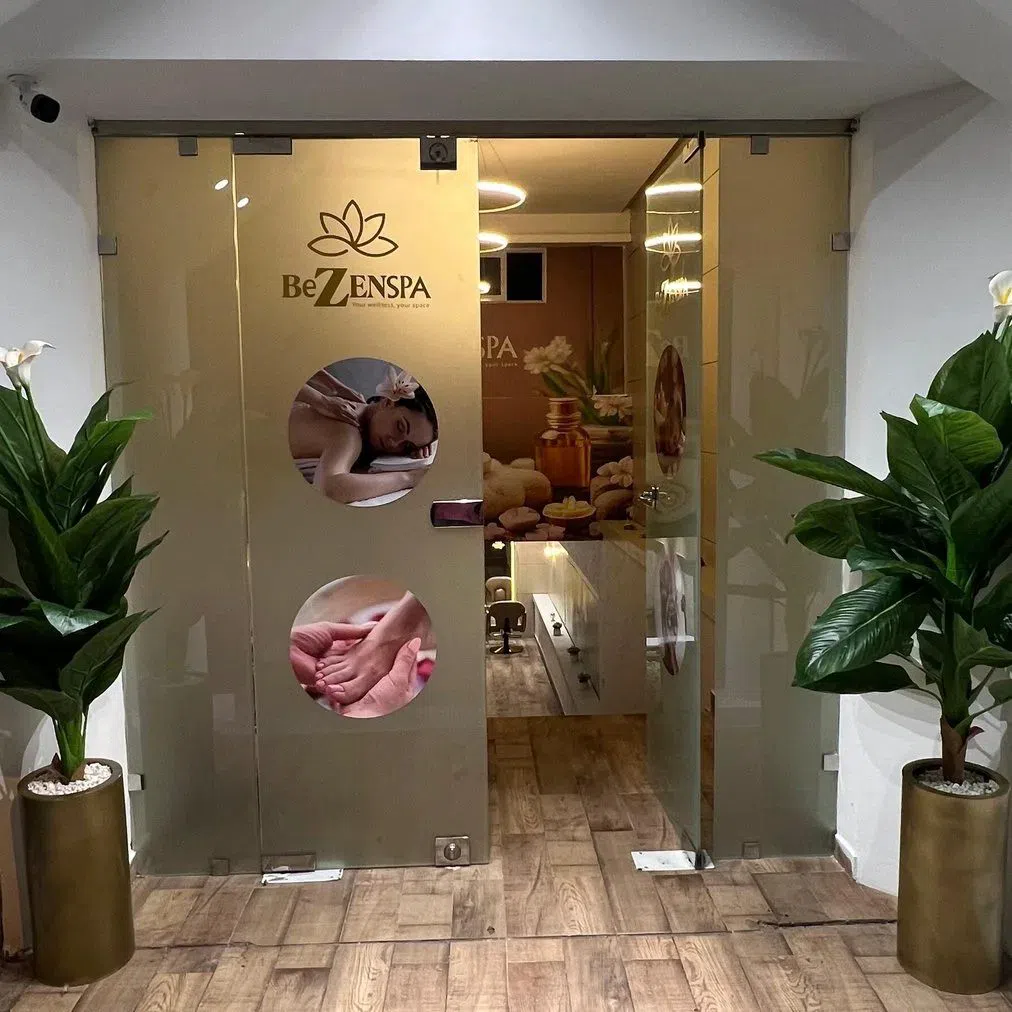
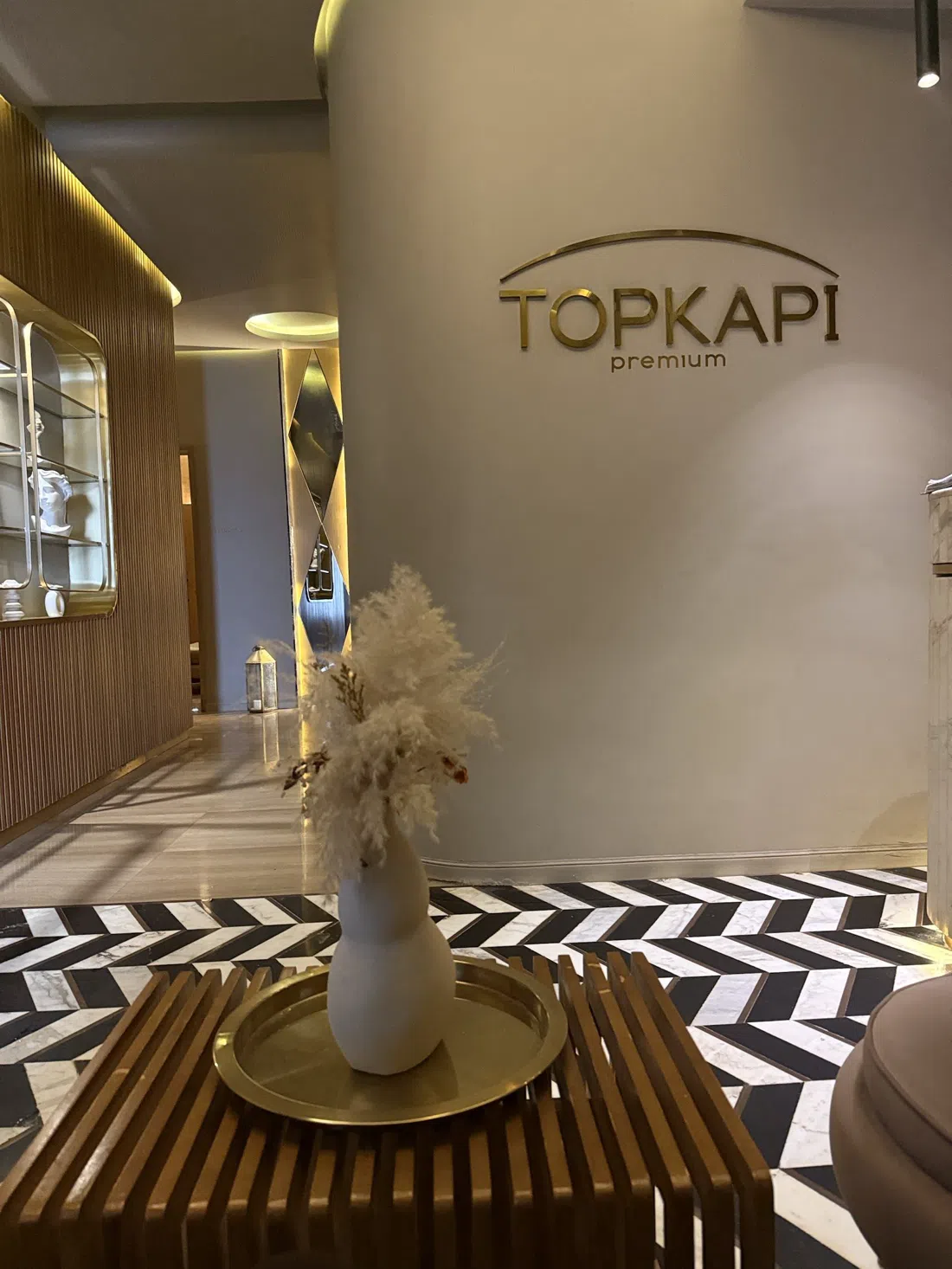
Between the strictly local hammam and the hotel spa sits a middle tier that has grown up to serve a public that wants the ritual without navigating it in Darija. Topkapi Hammams & Spa, in the Racine district, is a fair example and a useful fallback when Ziani is full: the base hammam entry is 60 MAD, a scrub adds 20 MAD, and combined packages start from around 180 MAD. It handles small groups reasonably, though it's worth being honest that reviews flag inconsistent service at busy times — a mid-tier venue in a city with growing wellness tourism, not a flawless one, and best treated as a solid second choice rather than a first stop. Spa & Hammam Istanbul, closer to the Centre Ville, leans more polished: entry runs about 50 MAD with a scrub around 30 MAD on top, and it offers VIP rooms that take small private groups comfortably — a genuine step up in privacy and finish from a pure workers' hammam, without tipping into hotel-spa pricing. In Californie, the newer, more international end of the city, Be Zen Spa Casablanca represents the contemporary, globally-styled version of the same ritual: mid-range, with a posted price list rather than word-of-mouth rates, and group bookings taken by phone or WhatsApp rather than simply turning up. None of these three erase what a hammam is; they package it, to varying degrees of success, for a visitor who wants fewer surprises.
The Monumental Counterpoint
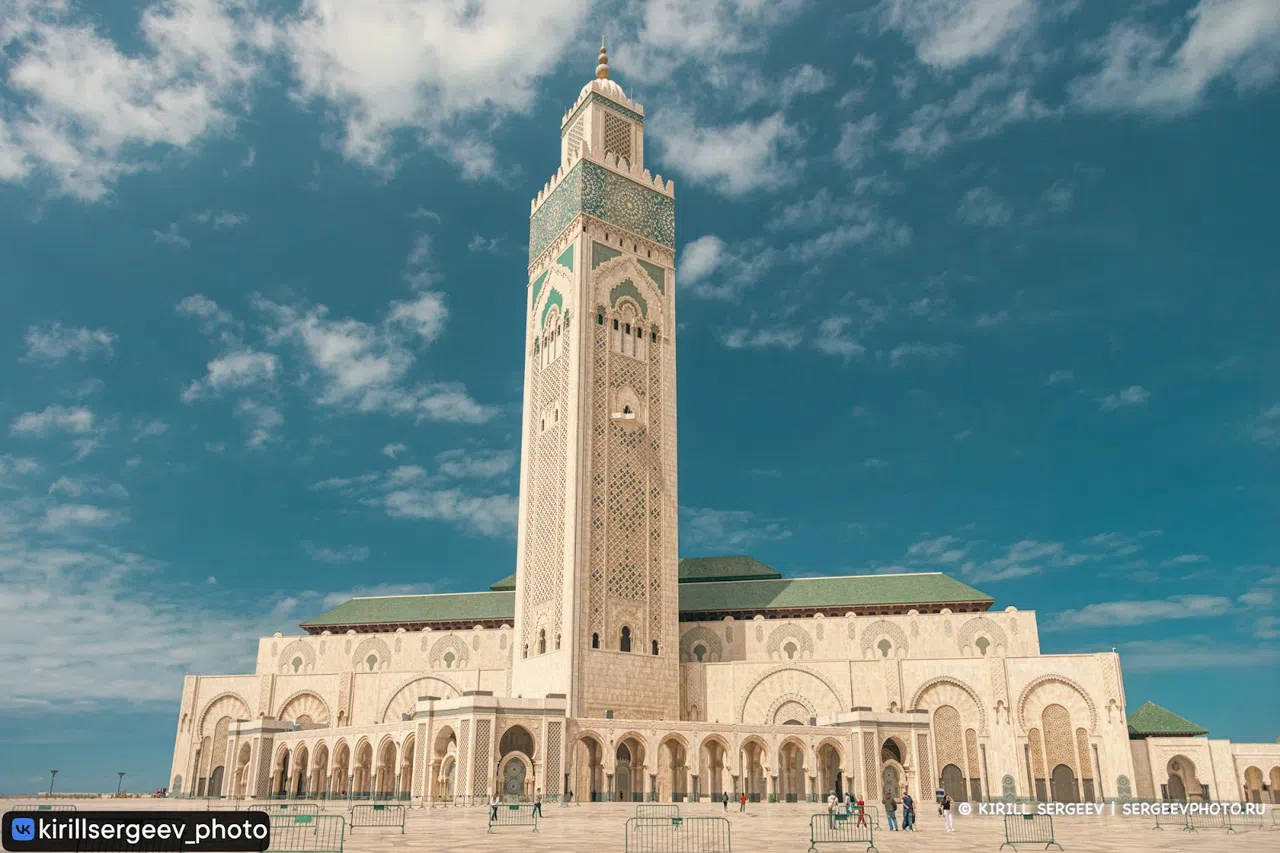
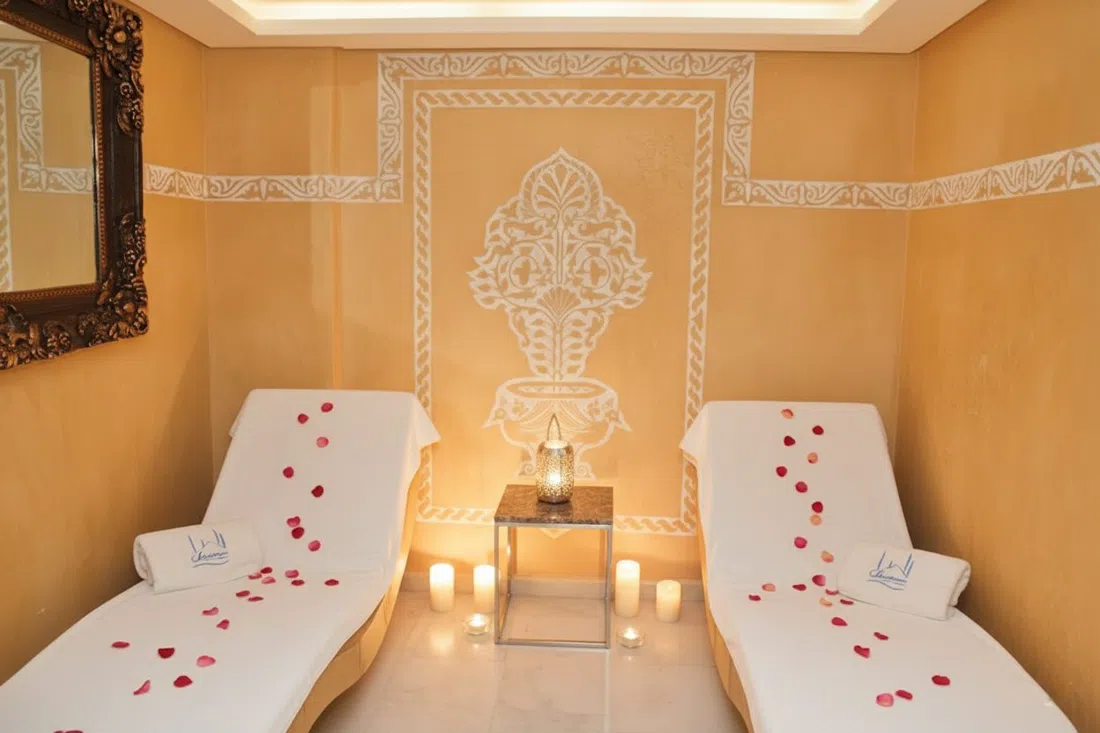
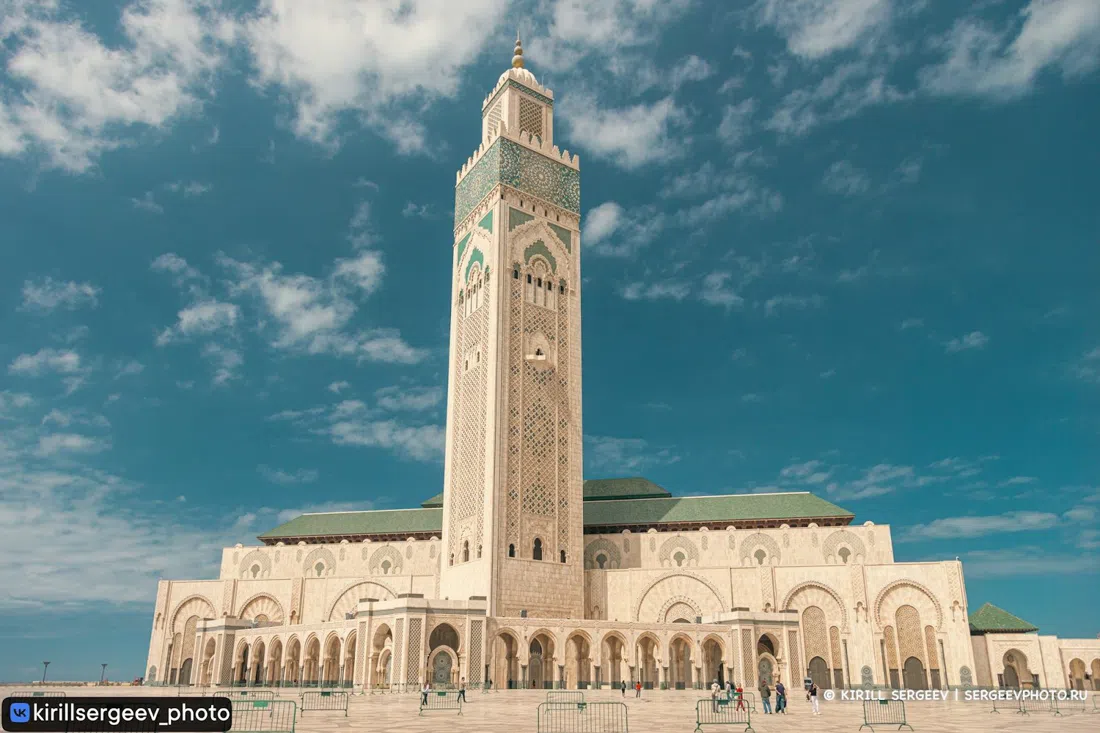
There is exactly one hammam in Casablanca built to be looked at rather than simply used, and it sits, appropriately, beside the building it was designed to complement. Les Hammams de la Mosquée Hassan II, on the Corniche where the mosque itself faces the Atlantic, opened in 1993 alongside Michel Pinseau's mosque — the tallest minaret in the world at the time of construction, and still one of the largest religious buildings anywhere. It is worth being precise about what this venue is and isn't: it is not a historic bathhouse in the sense that Gauthier Bain Turc or Hammam Hafida are historic. It's purpose-built, restored-feeling by design rather than by age, the deliberate grand counterpoint to a neighbourhood hammam rather than an older version of one. Packages range from 50 to 450 MAD depending on what's included, and because it sits within the mosque's well-organised visitor infrastructure, it handles the logistics of a tour group easily on the booking side. The caveat is about the experience itself, not the admission desk: a hammam is a slow, unrushable ritual, and squeezing a large party through the hot room on a tight schedule works against what the space is actually for. Treat it as the grandest single hammam in the city, and plan the time accordingly rather than slotting it between two other stops.
The Five-Star End of the Spectrum
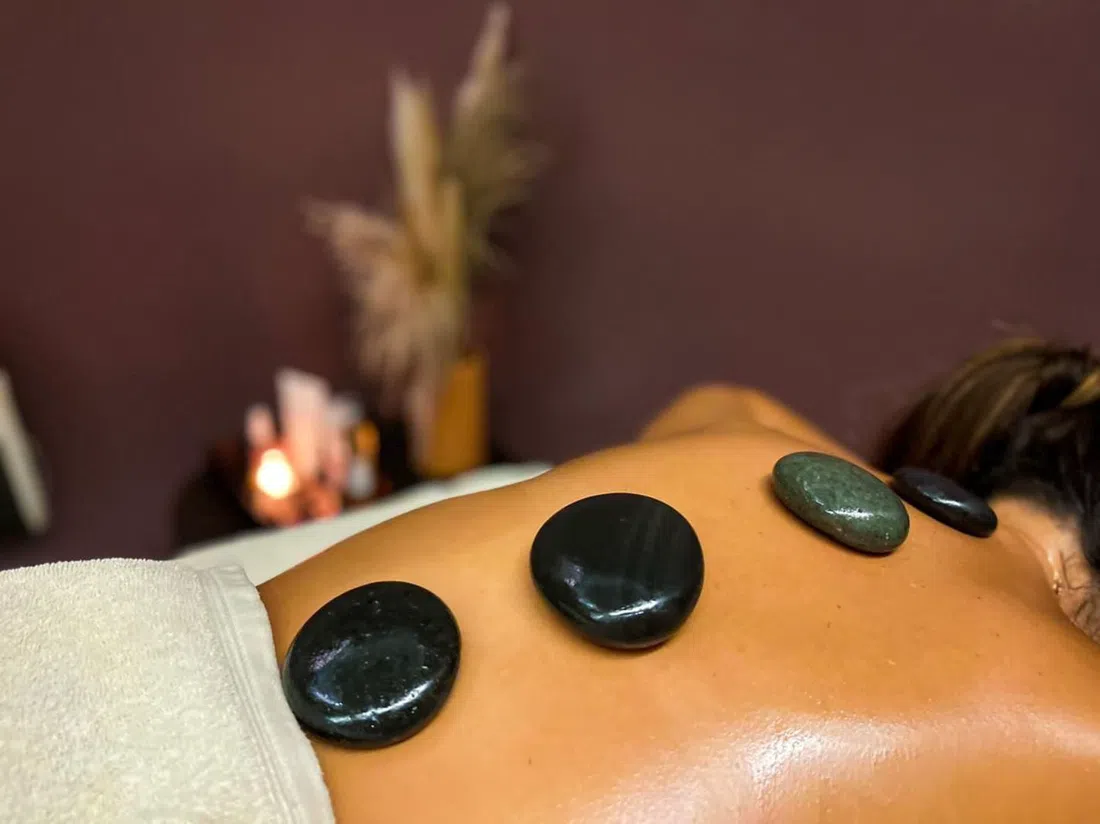
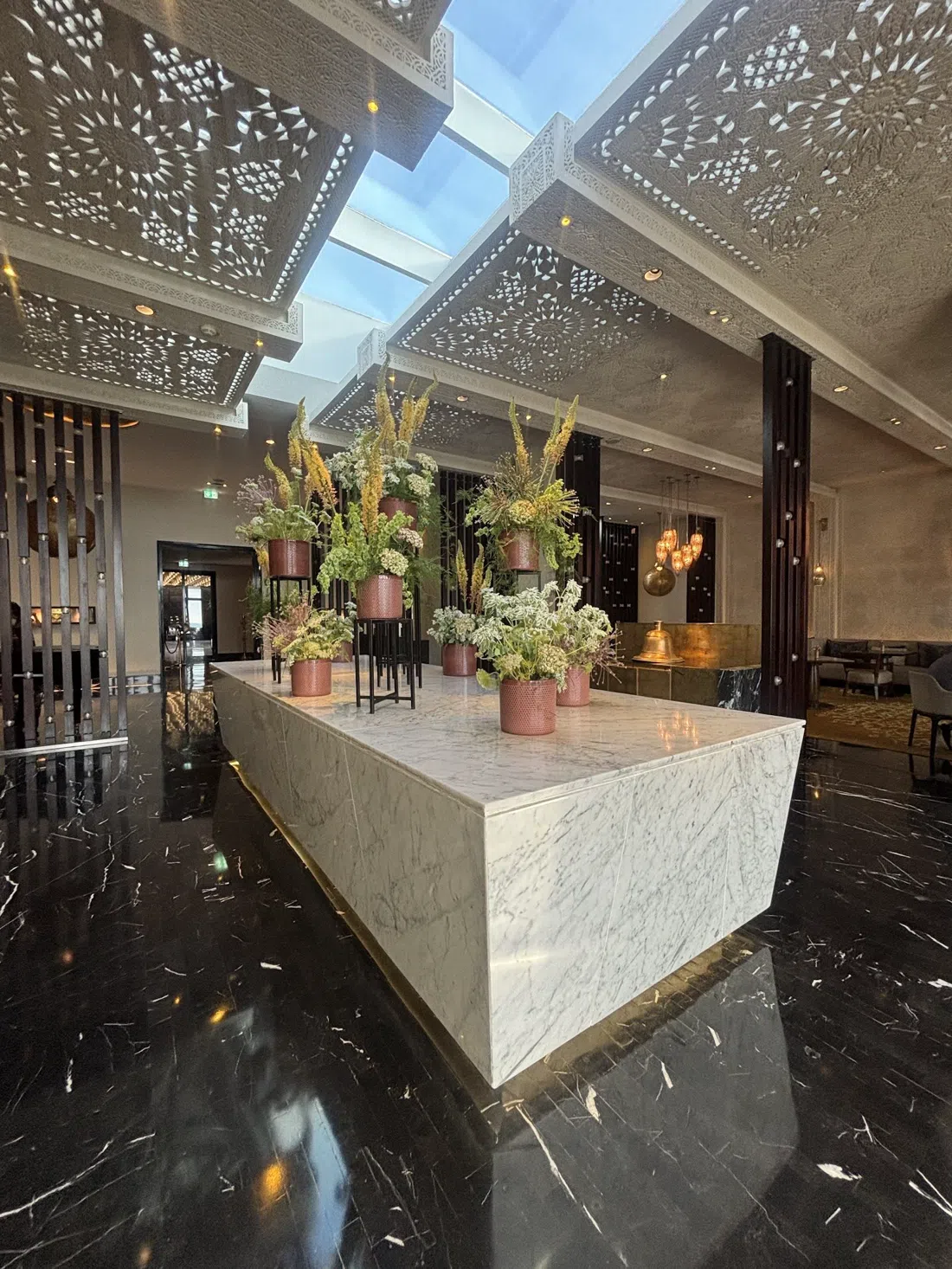
At the top of the market, the hammam ritual gets absorbed entirely into hotel service culture, and the four venues worth knowing here map onto four different corners of the city and four slightly different kinds of traveller. Royal Mansour Casablanca — Spa Hammam, in the Anfa district, offers the fullest version of this: an à la carte treatment menu built around the traditional steam-and-scrub sequence, with group and event bookings routed through the hotel concierge rather than a walk-in desk. Along the Corniche in Ain Diab, Four Seasons Hotel Casablanca — Le Spa plays a comparable role for guests staying on that side of the city, handling hotel-guest groups and private events with the same institutional smoothness. In Anfa as well, but at a smaller scale, Le Casablanca Hôtel — Jasmin' Spa offers a boutique alternative — mid-to-high pricing, small groups arranged through the hotel rather than the hammam directly, a useful option for anyone based in that part of town who wants the ritual without the scale of a five-star resort spa. And in the business district around the Twin Center on Boulevard Zerktouni, O'Spa Kenzi Tower Hotel by Cinq Mondes closes out the spectrum as the hammam built for the corporate traveller — high-end, group and event bookings handled at hotel standard, the ritual repackaged as an amenity between meetings rather than a weekly social fixture. None of these four venues will surprise a visitor who has stayed in international hotel chains elsewhere; what's worth noting is simply how far the same three-room, black-soap, kis-glove sequence stretches, from a 70-MAD workers' hammam in Gauthier to a concierge-booked treatment menu in Anfa, without the underlying ritual actually changing.
Practical Information
Getting there. Casablanca's neighbourhood hammams are, almost by definition, inside residential districts rather than on tourist corridors, so a petit taxi — Casablanca's red metered cabs — is the simplest way to reach Maarif, Gauthier, or Habous; insist on the meter or agree a price before getting in, since meters are inconsistently used with visitors. Hotel hammams in Anfa and along the Corniche are usually reachable on foot from other hotels in the same district, or by a short taxi ride. For sorting out where to stay relative to which hammam district suits your plans, the Casablanca hotel search is the place to start.
Cash. Nearly every neighbourhood and mid-tier hammam runs on cash only, in Moroccan dirham (MAD) — card readers are rare outside the hotel spas. Carry small notes; a hammam visit rarely runs to more than a few hundred dirham even at the upper end of the mid-tier, and workers'-quarter hammams deal almost entirely in coins and small bills. A tip for the dellaka who scrubs you, where one is used, is customary and appreciated, typically a modest addition on top of the stated price.
Timing. Mornings tend to be quieter across the board; Friday, the Islamic holy day, sees many neighbourhood hammams either closed or running a compressed, men-only or women-only schedule, so it's worth calling ahead rather than assuming standard hours apply. Budget at least 90 minutes for a proper visit to any of the venues above — this is not a ritual that rewards being squeezed into a gap between other plans.
Budget. As a rough scale for 2026: a bare workers' hammam entry and scrub sits around 70 MAD; a well-known neighbourhood hammam with a fuller gommage package runs 100 to 250 MAD; mid-tier spa-hammam hybrids land between 50 and 250 MAD depending on add-ons; the mosque hammams range from 50 to 450 MAD by package; and the hotel spas sit at genuinely high-end pricing, set à la carte rather than posted. Bring flip-flops, a swimsuit or underwear to wear during the scrub (few Moroccan hammams are visited nude, even single-sex ones), and, if you're particular, your own black soap and kis glove — though every hammam on this list sells both at the door. For the wider practicalities of a Casablanca stay, the Casablanca guide covers the rest of the city around this ritual.