The Casablanca issue
The White City in Deco: Casablanca's Forgotten Architecture Trail
Casablanca hides one of the world's densest Art Deco quarters in plain sight — here is how to walk it, read it, eat in it, and sleep inside it.

By Etienne DelmasReading Casablanca street by street
Casablanca does not sell itself. Step out of the Centre-ville station into the glare and the traffic and the white — always the white — and the first impression is a working port city with somewhere to be. But look up, past the shopfront signage and the tangle of wiring, and the facades start to talk: stepped parapets, ironwork balconies scrolled like sheet music, the ghost of a 1930 date carved above a doorway. Between roughly 1912 and the end of the 1930s, French and Moroccan architects turned this town into a laboratory for Art Deco and its cousin, the Mauresque-inflected style now called Mauresque or Arabisance — and most of it is still standing, still lived in, still largely unmarked.
This is a walking trail, not a checklist. The buildings that follow sit within a compact downtown grid, most of them fifteen minutes apart on foot, and the pleasure is as much in the streets between them as in the addresses themselves. A word of honesty before you start: many of these facades are weathered, some are mid-renovation, and a few of the interiors you most want to see are only accessible on the owner's terms. I have flagged which is which. Read this alongside the broader Casablanca guide if you want the wider context; what follows is strictly the architecture.
Start with the story, not a facade
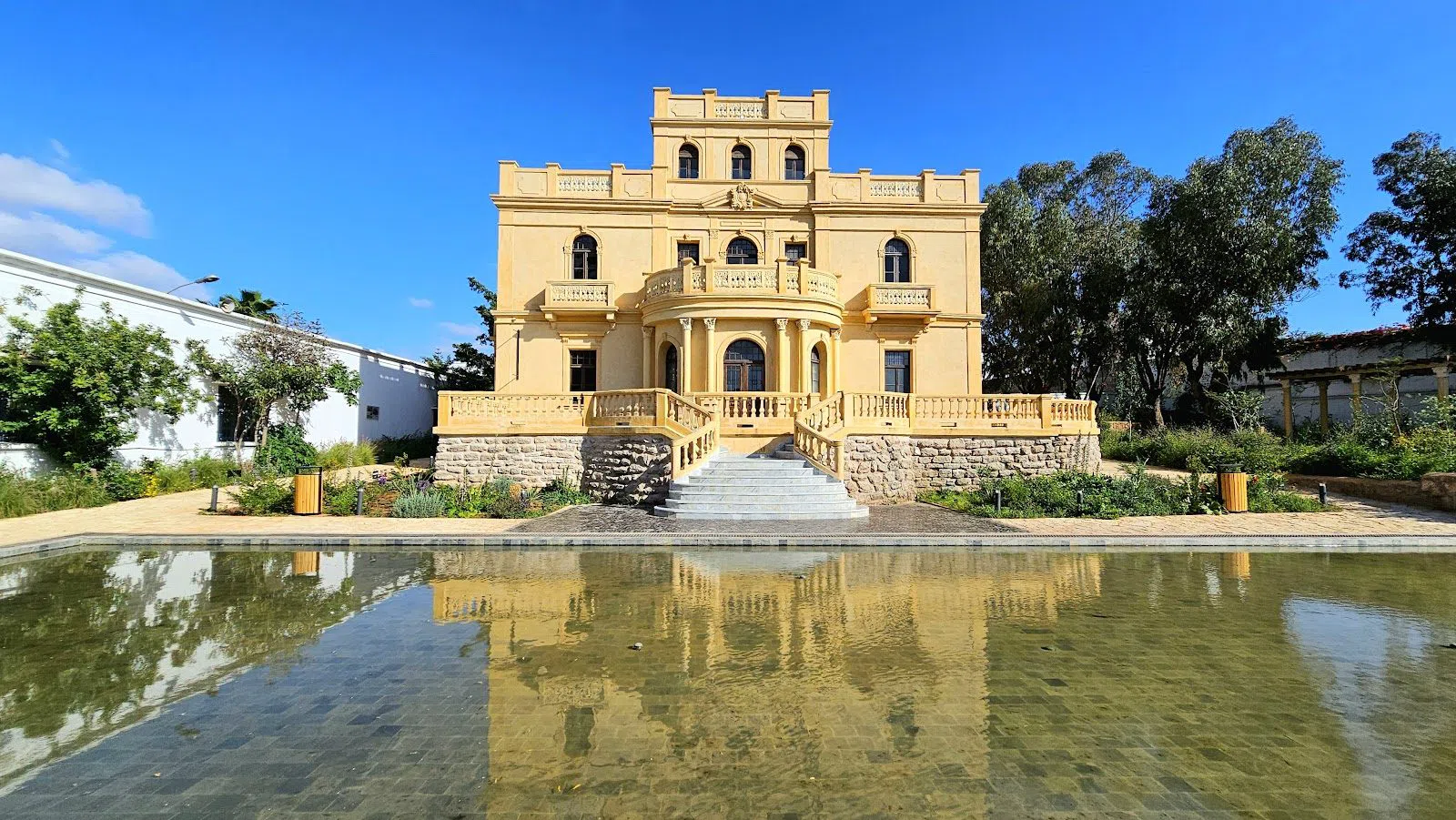
Before you decode a single building, give yourself the frame. The Museum of Casablanca's Memory, housed in the Villa Carl Ficke just off the downtown squares, opened in February 2025 as the city's own memory museum — the first institution wholly dedicated to how Casablanca became Casablanca. The villa itself is a period piece, and the collection lays out the early-twentieth-century boom that produced everything else on this trail: the arrival of the French protectorate in 1912, the port that pulled in money and architects, the speculative fever that threw up an entire modern city in two decades. Entry is low or free and there is an open esplanade outside, so this is the one stop on the route genuinely built for a larger group — arrive together, spread out, regroup. Lead here first. Every parapet you pass afterwards will mean more.
From the museum you are already inside the historic quarter, and the rest of the morning writes itself.
Plan your Casablanca trip
Live prices from our booking partners.
Free cancellation on many rooms. We may earn a commission when you book.
The downtown ensemble: squares, hotels, a market
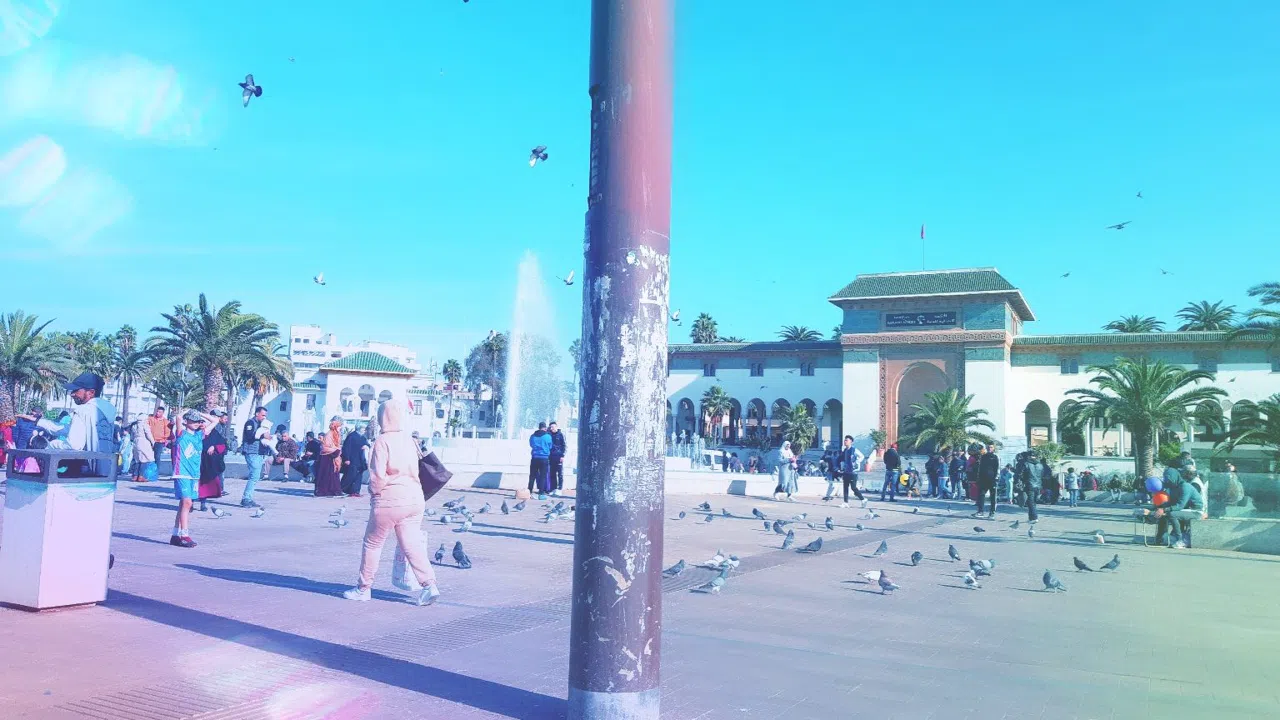
The heart of Deco Casablanca is the run of streets around Place des Nations Unies and Boulevard Mohammed V, and the single best way to grasp it is to treat the grand hotels as monuments rather than accommodation — because most of them will let you look.
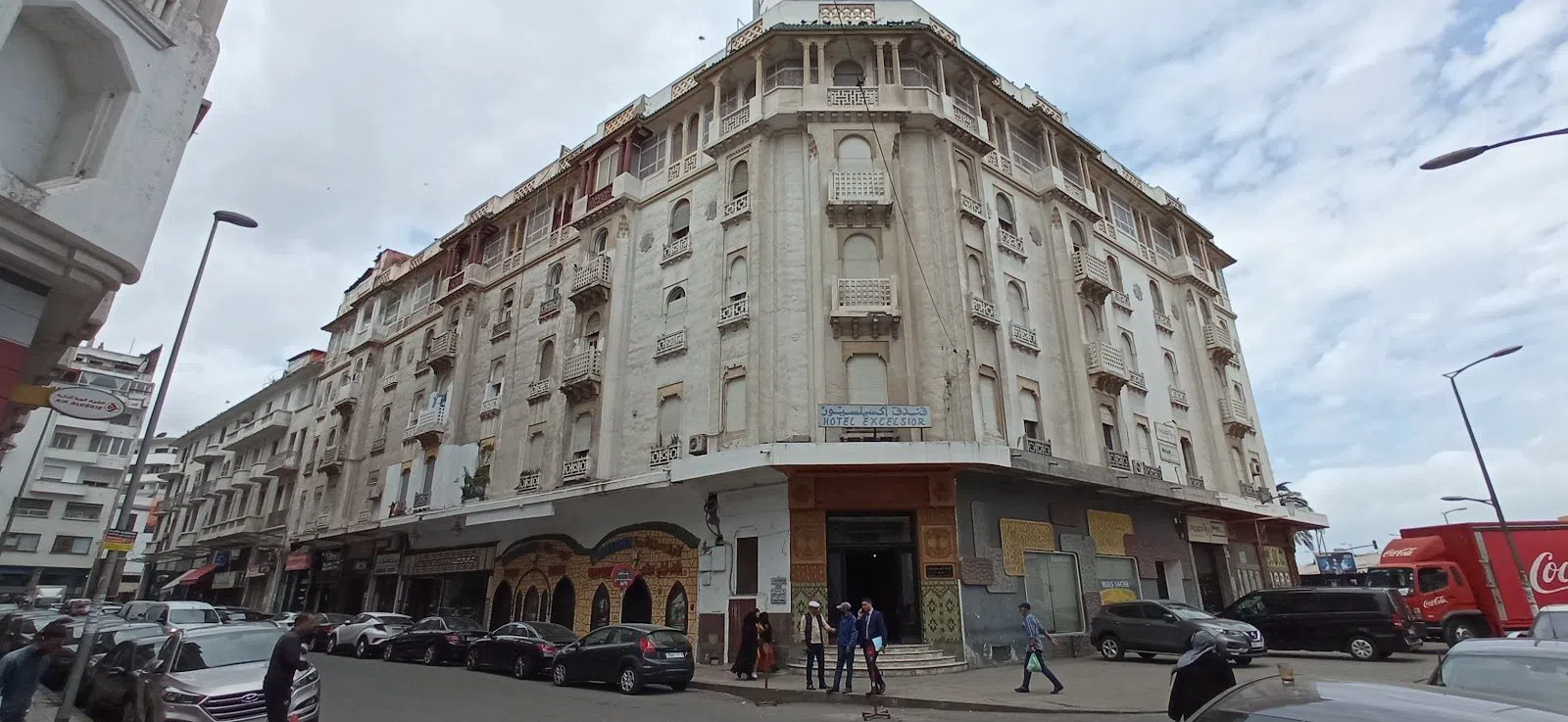
Start at the Hôtel Excelsior on Place des Nations Unies, the city's oldest grand hotel, built between 1914 and 1918. It is neo-Moorish rather than strict Art Deco — the horseshoe arches and tilework belong to an earlier romance with the Mauresque style — but it is the gateway landmark of the whole downtown ensemble and the right place to understand what came just before Deco proper. It is a working hotel; groups can take in the facade from the square and use the café and lobby without booking a room. Treat the lobby as a small free museum.
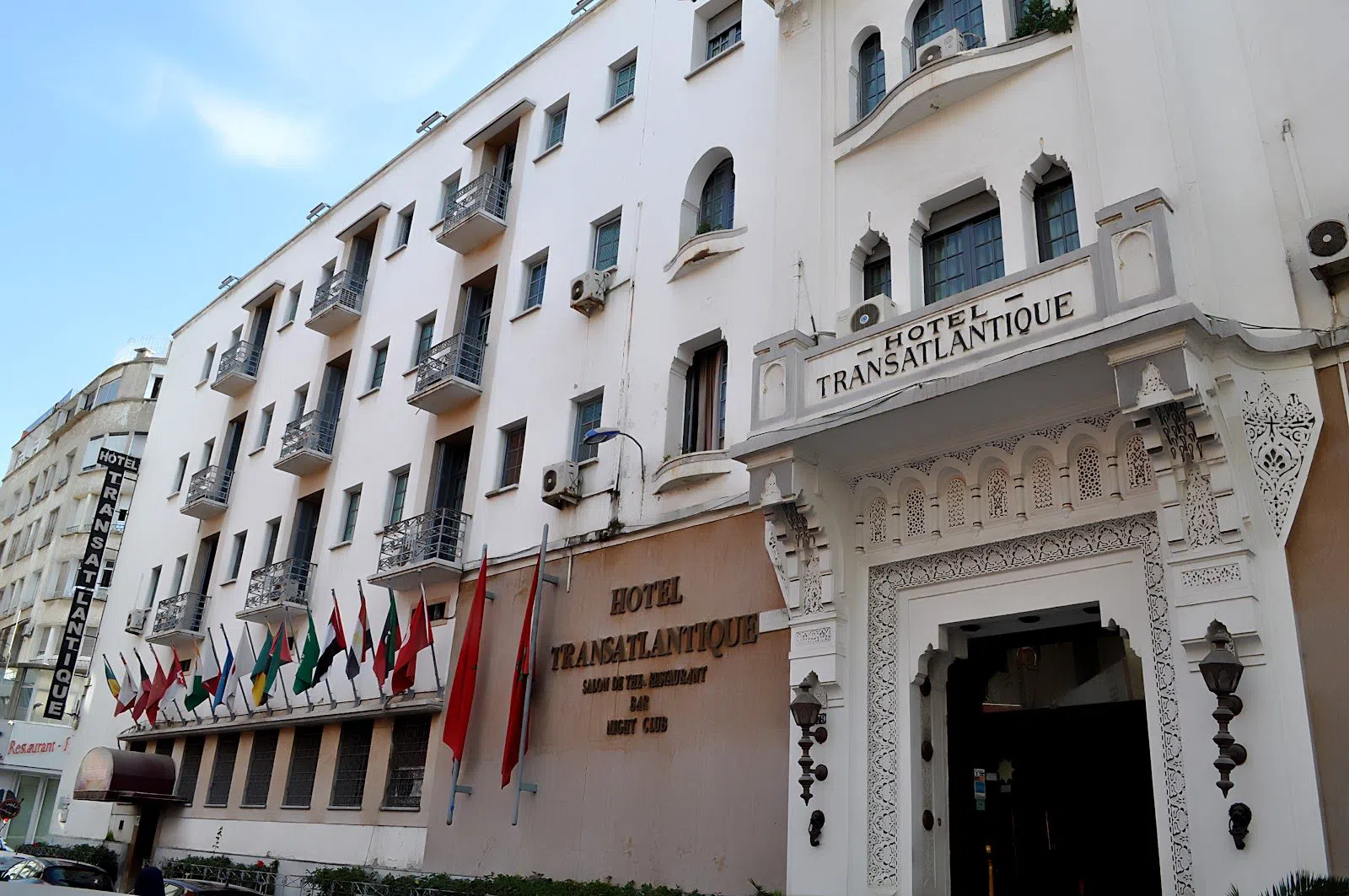
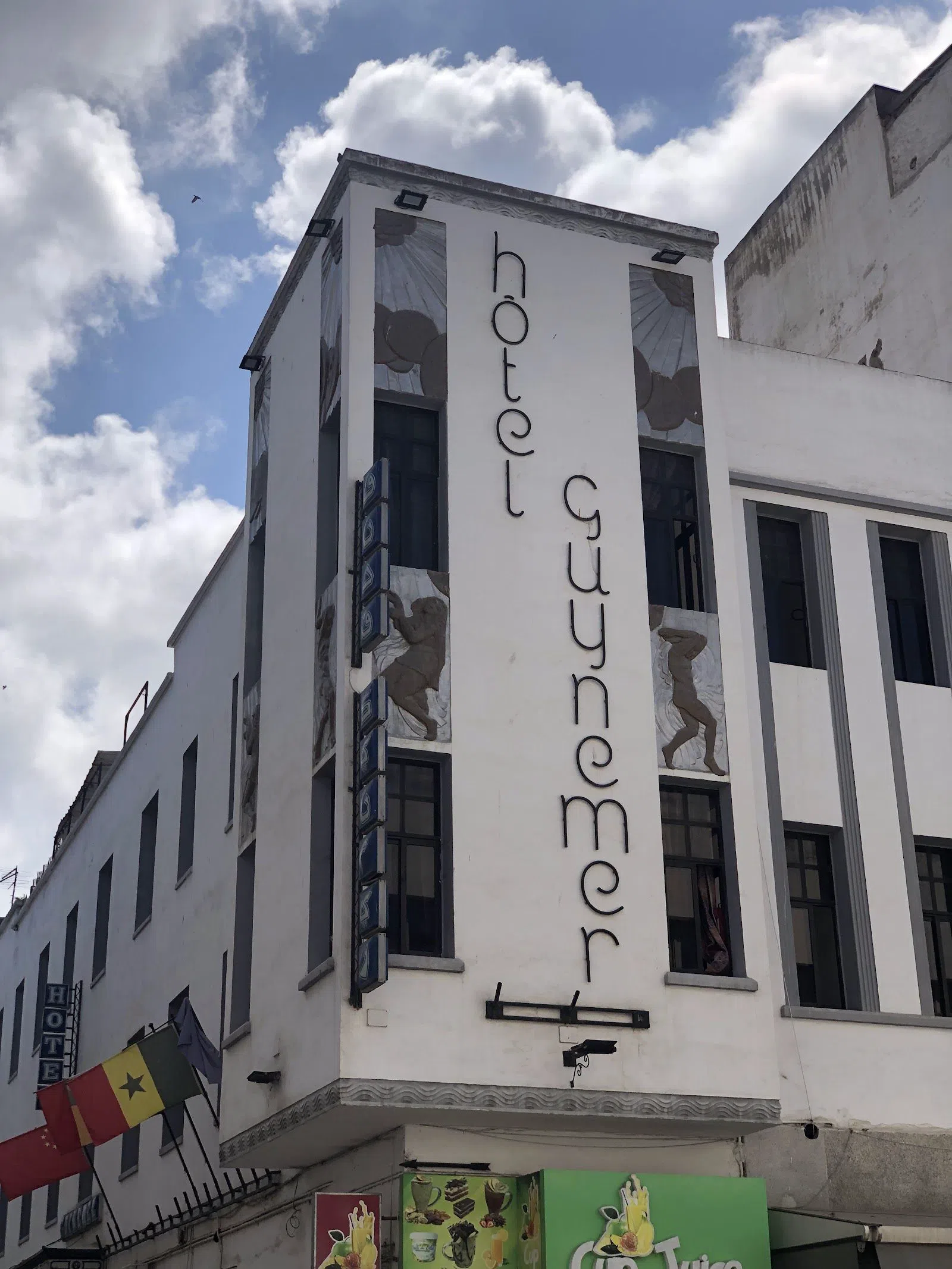
A few minutes away, the Hôtel Transatlantique (downtown, near the market streets) is a well-kept 1920s survivor that shows the pivot happening — the Mauresque softening, the geometry sharpening toward Deco. The lobby is worth a look even if you are not staying, and unlike the boutique addresses further west, this is a mid-size hotel that can actually take a group. Round the corner, the Hôtel Guynemer is one of the earliest Art Deco hotels still trading — a small three-star of twenty-nine rooms, unglamorous but honest, and one of the cheapest ways in the city to sleep inside the era. Neither of these is a coach-party proposition; they suit couples, pairs and small groups who want atmosphere over polish.
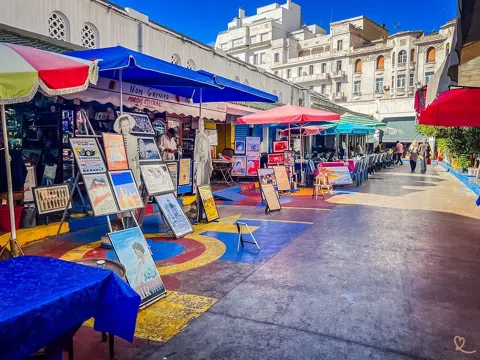
Walk the two minutes to the Marché Central on Boulevard Mohammed V and you reach the quarter's social anchor. Strictly speaking it is Neo-Mauresque, not pure Deco, but no honest trail skips it: this is where the downtown grid comes to buy fish and argue about it, and its arched frontage is one of the most photographed in the city. A phased renovation is ongoing, so expect hoardings and possibly a rerouted entrance depending on the week — go anyway. It is the most group-friendly stop on the route, open to all, free to wander, and the seafood lunch counters inside are the obvious midday move.
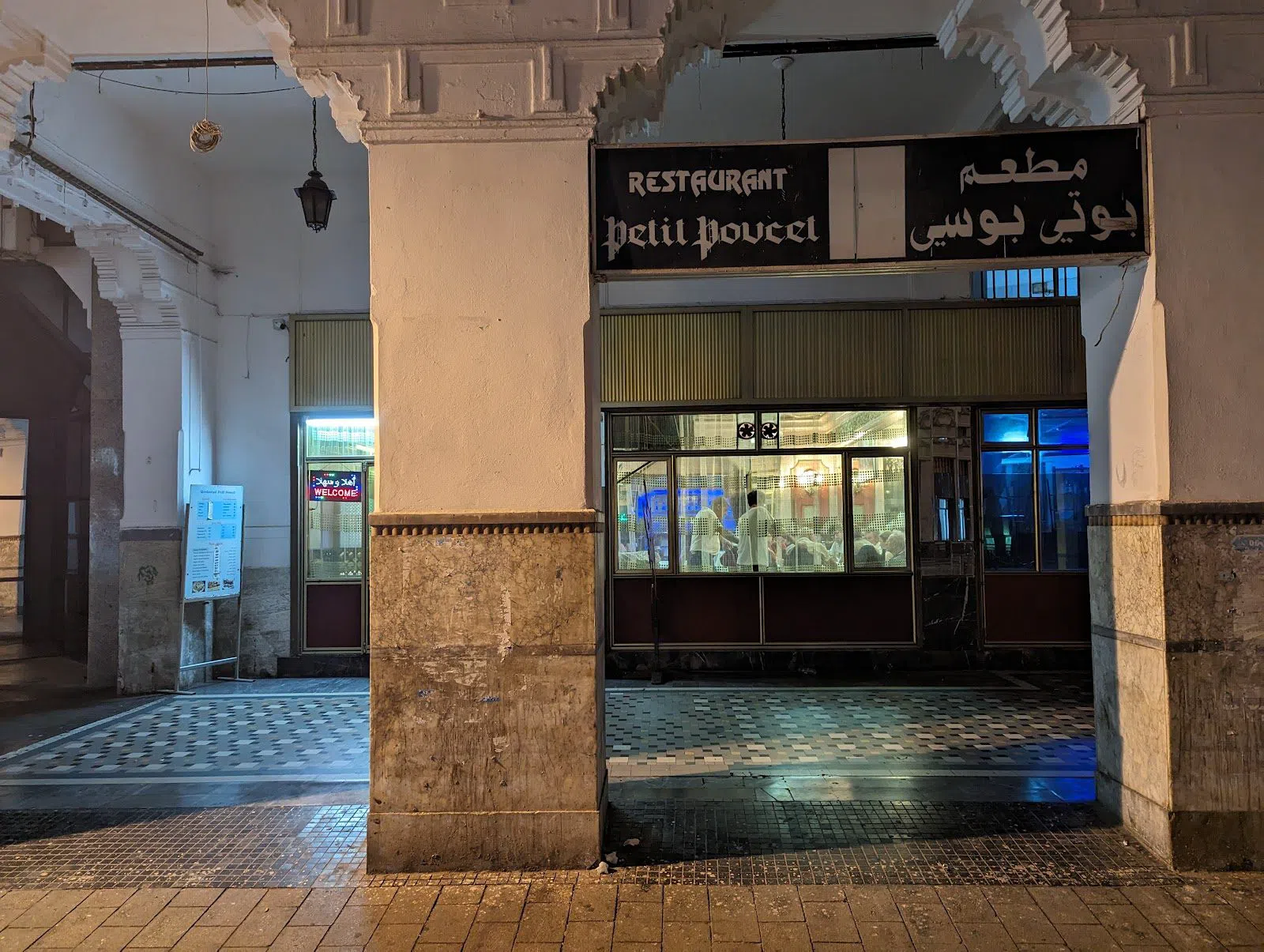
If you would rather sit down, the Le Petit Poucet brasserie is a hundred metres along the same boulevard — the old haunt of Antoine de Saint-Exupéry, who flew the mail routes south and drank here between crossings. The period interior is the real draw; the food is a solid mid-range brasserie (mains roughly 120–220 MAD). It seats groups but book ahead for a larger table, especially at lunch. This is the trail's best pause to sit under a Deco ceiling and let the morning settle.
The living monument: Casablanca's cinemas and cultural halls
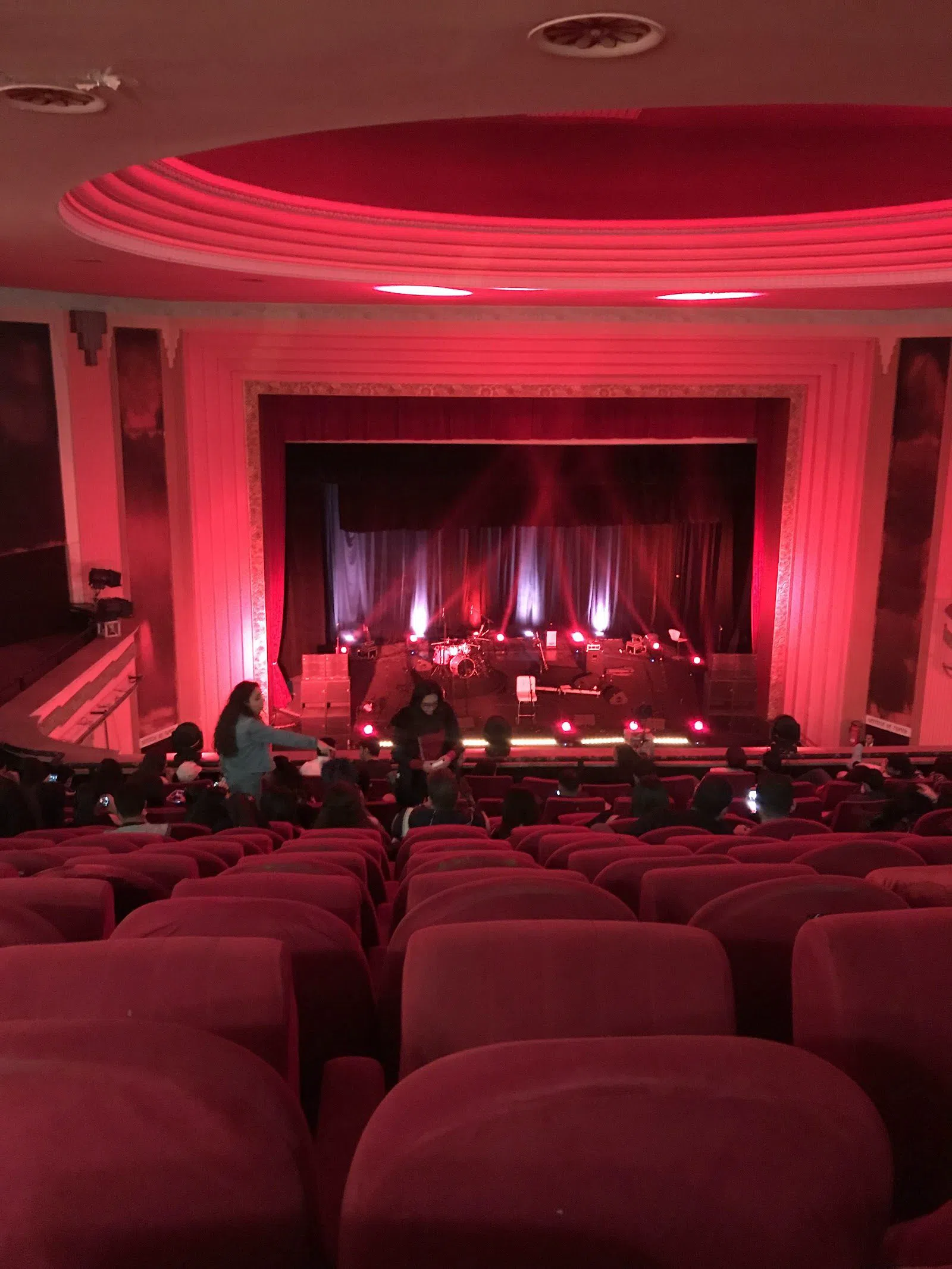
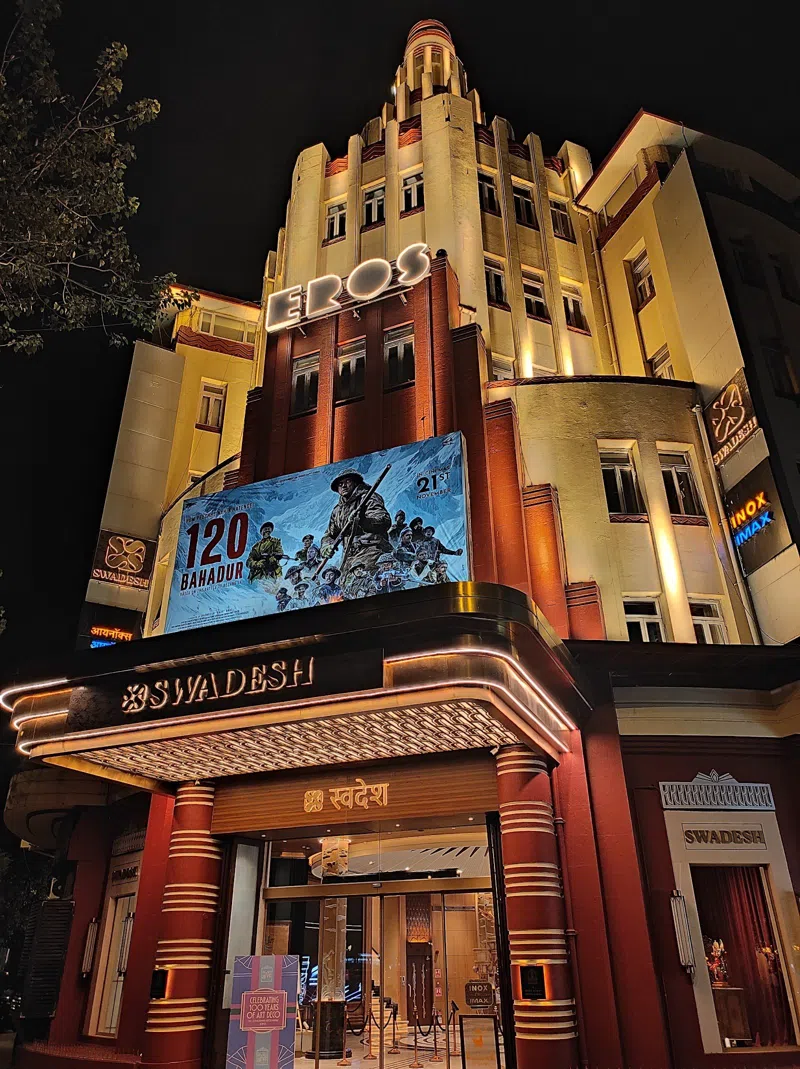
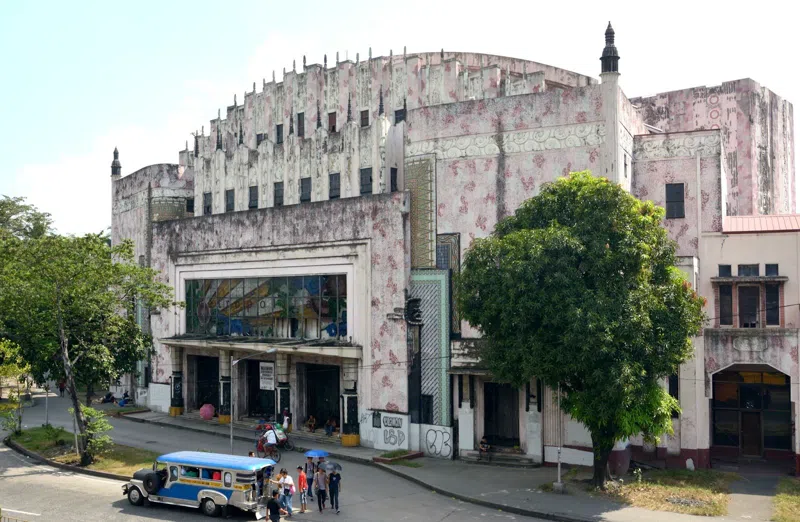
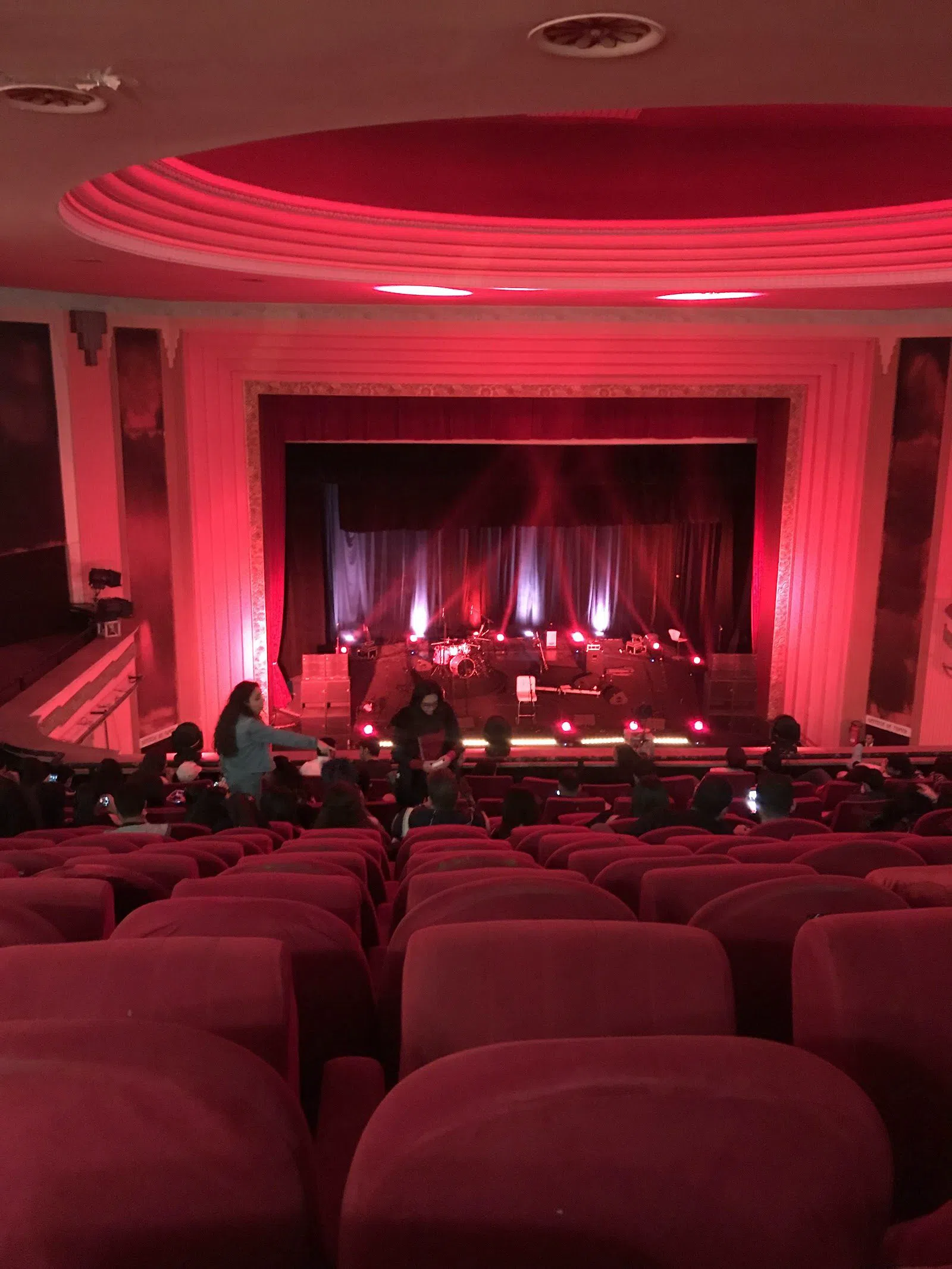
No building on this trail rewards you like a Casablanca cinema. The Cinéma Rialto, tucked into the downtown streets near the market, is the city's most famous surviving Art Deco cinema — and, crucially, a living one. Recently renovated and back in use for films and concerts, it reads as a working monument rather than a preserved ruin: you can buy a ticket (a cinema seat runs a very reasonable 30–60 MAD) and simply sit inside the architecture for an evening. Walk-in groups are fine, and block bookings of the auditorium are possible if you are organising something larger. Of everything here, this is the one interior I would insist on experiencing lit and in use, not just photographed from the pavement.
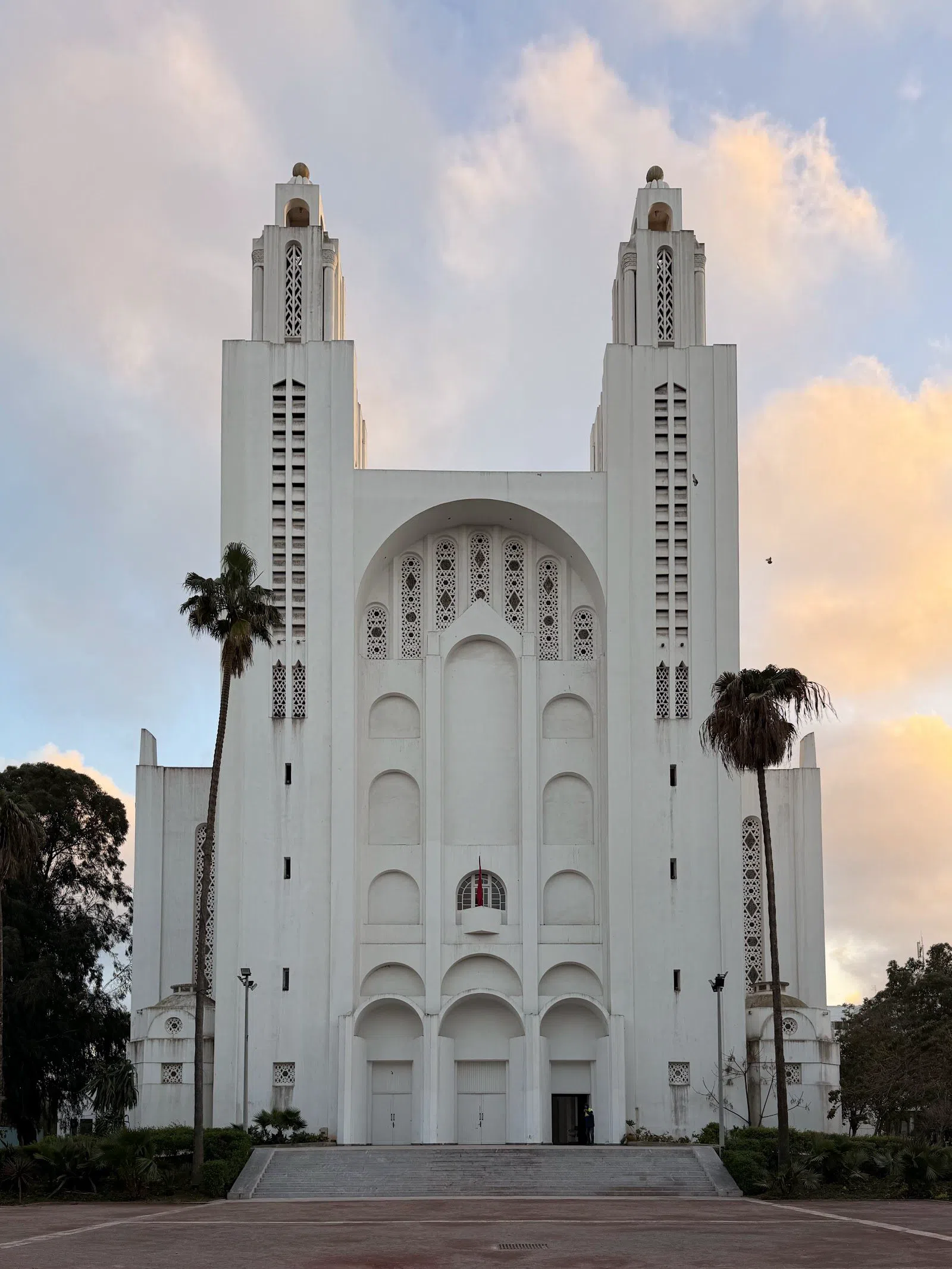
A short walk west, toward the green edge of the Parc de la Ligue Arabe, the Ex-Église du Sacré-Cœur — the building most people still call Casablanca Cathedral — is no longer a working church. Deconsecrated, it now serves as an event and exhibition hall, its white nave and soaring geometry a favourite for installations. That reuse is exactly the catch: interior access can close entirely when an event is being set up or struck. Verify on the day that it is not mid-install before you promise anyone the inside; the exterior, with its twin towers and skeletal Deco-Gothic frame, is arresting regardless. Entry is free, with a small charge for some exhibitions.
Close by, the Villa des Arts de Casablanca sits near the same park and is the easiest yes on the whole route: a genuine Art Deco building you enter for free, run by the Fondation ONA with rotating Moroccan and international shows. The garden is walkable and suits a larger party, the art gives you a reason to be there beyond the walls, and there is no door policy to negotiate. Pair it with the Sacré-Cœur and the park in a single westward loop.
Step inside a villa — and sleep in one
The frustration of an Art Deco walk is that the best interiors are usually private. Two addresses fix that.
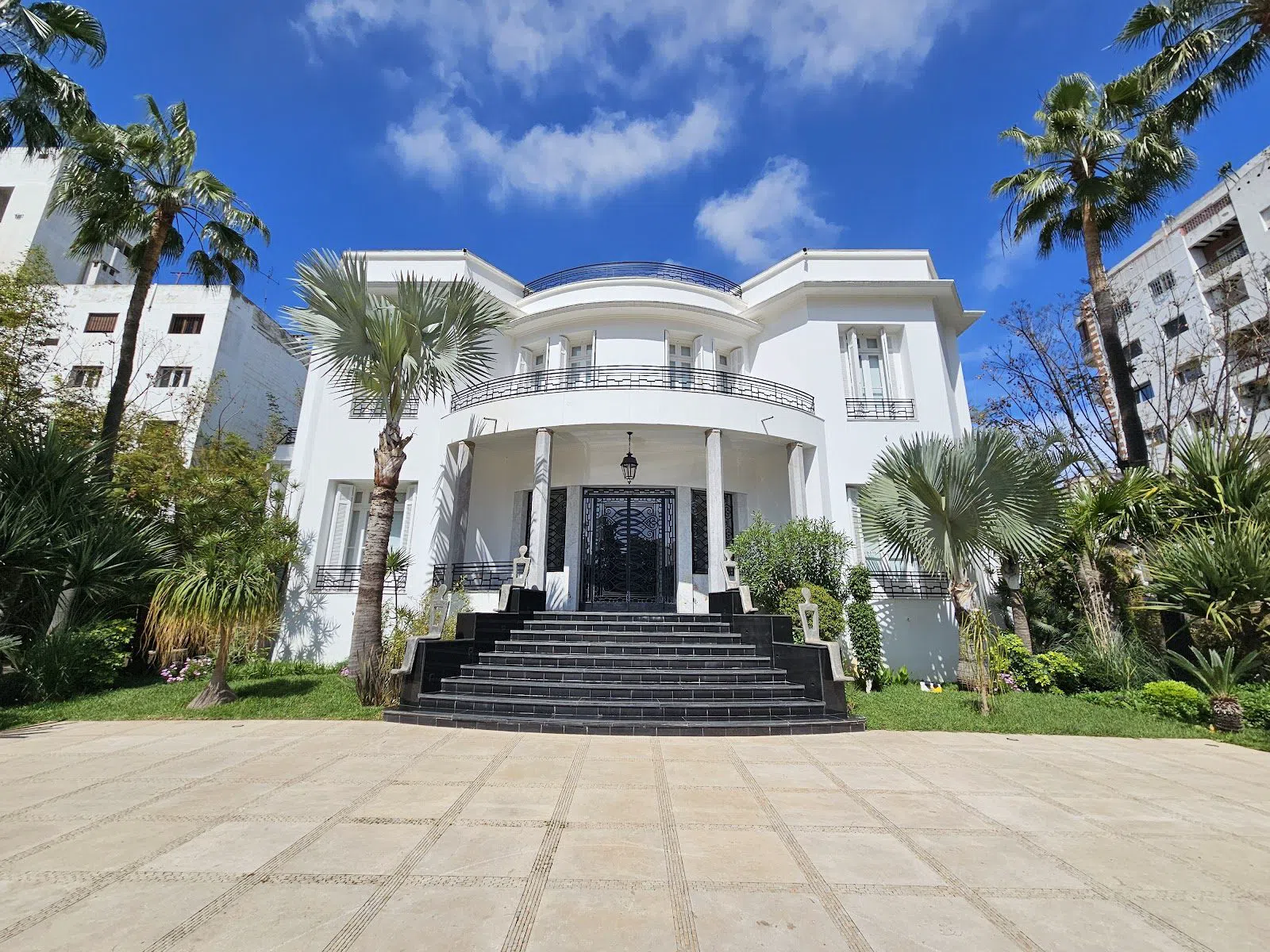
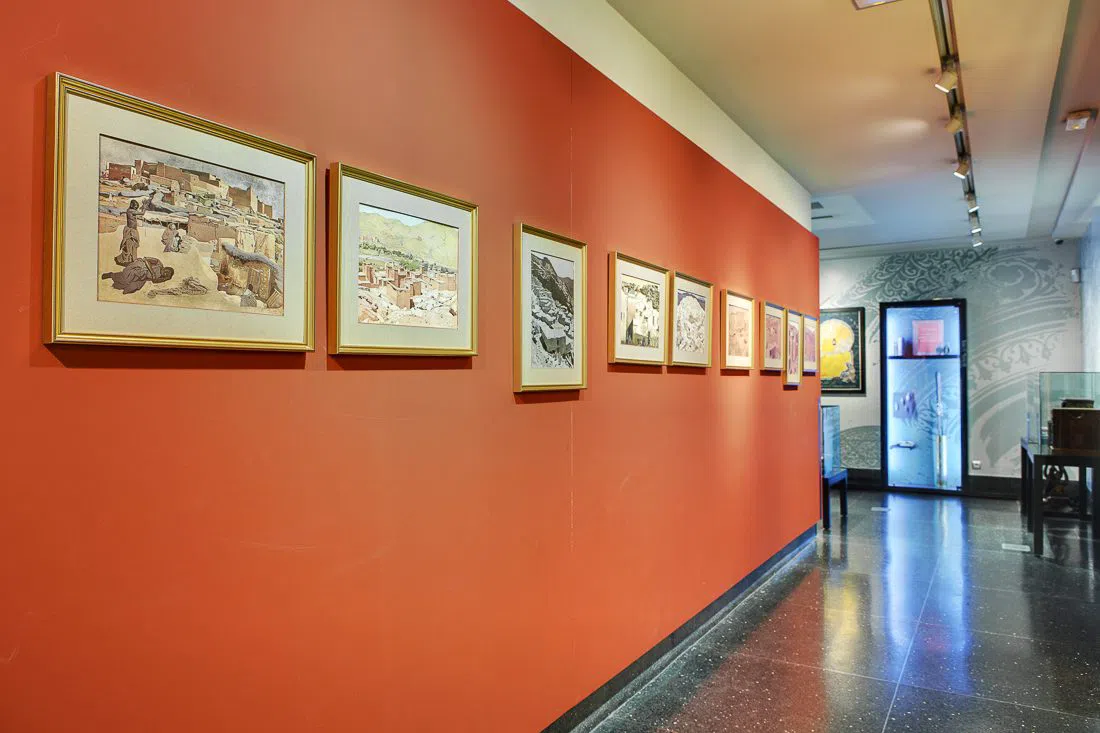
The Musée de la Fondation Abderrahman Slaoui, in a compact villa near the old medina edge, is the finest 'step inside an Art Deco villa' experience the city offers — a private collection of Moroccan jewellery, glass and posters set in a beautifully kept house where the building is half the exhibit. It is small, which is the one thing to plan around: small groups are welcome and guided visits can be arranged, but very large parties will have to split and take turns. Note the opening days carefully — it runs Tuesday to Saturday and is closed Sunday and Monday, the two days most likely to catch a weekend visitor out. Entry is low (roughly 40–60 MAD). Guided visits by arrangement are worth the ask; the curators know the pieces.
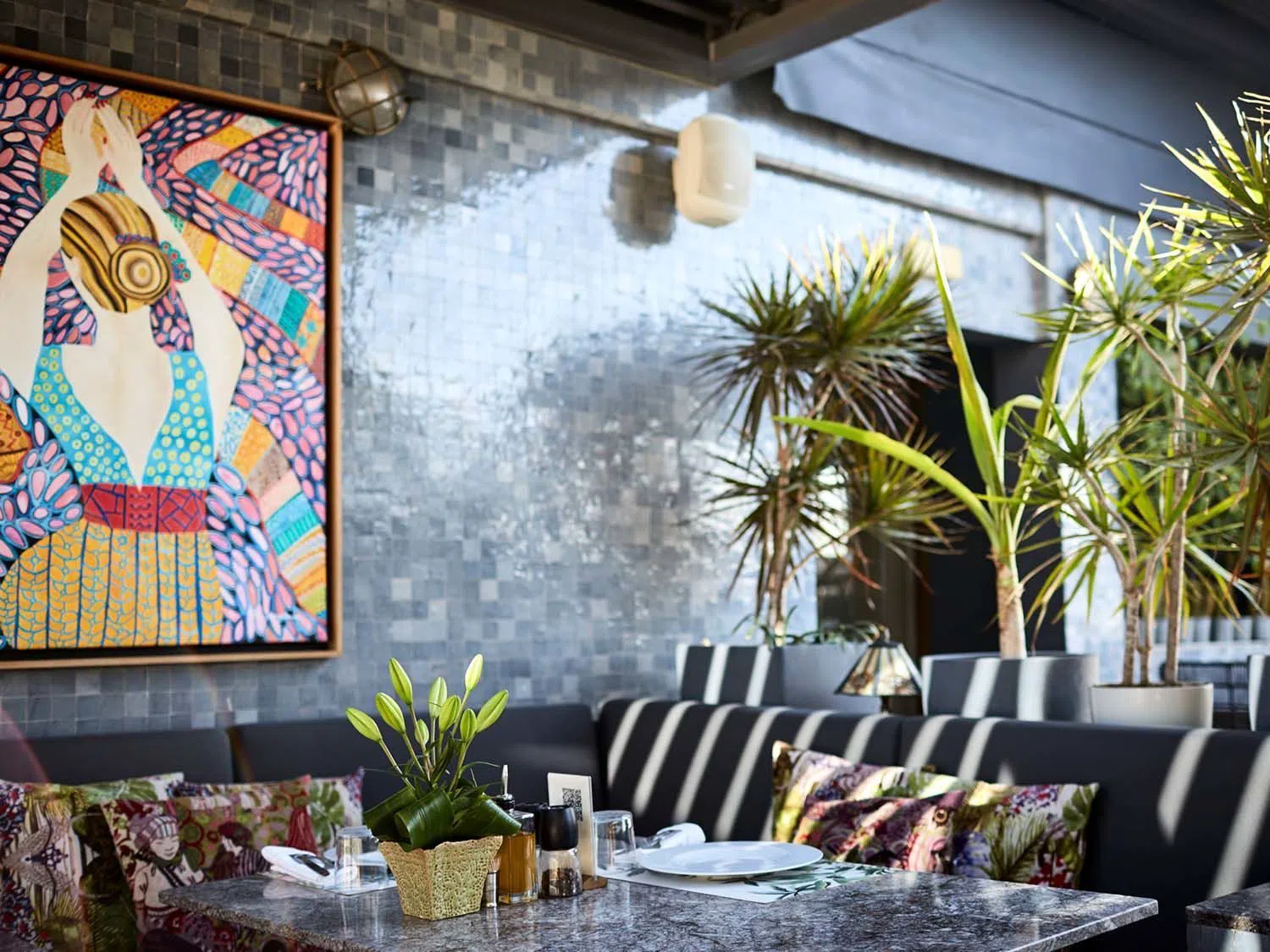
If you want to do more than visit — if you want to wake up inside the period — the Hôtel & Spa Le Doge, Relais & Châteaux in the Gauthier district is the polished, sleep-in-it option. It is a boutique sixteen-room house at the luxury end (rooms roughly €150–260 a night), restored with genuine care, and it takes small groups and private events but is emphatically too small for coach parties. Two things make it relevant even if you are not booking a suite: the restaurant and rooftop are open to non-guests, and that rooftop terrace is itself sold as an add-on stop on architecture tours — a legitimate way to buy the view and the interior for the price of a drink rather than a night. Between Le Doge at the top, the Transatlantique in the middle and the Guynemer at the budget end, the trail lets you literally sleep along the era's price and style spectrum; a wider Casablanca hotel search will show what else sits around them.
Have it decoded for you
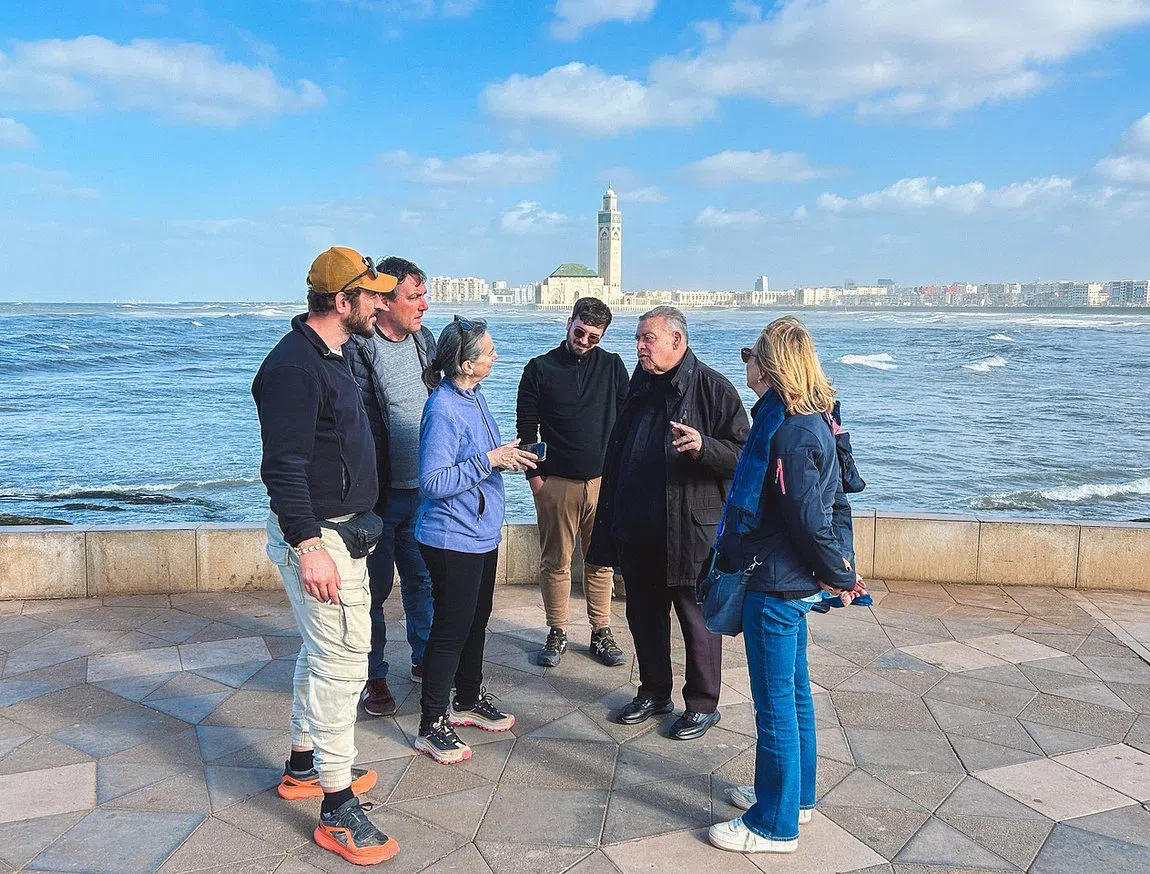
You can absolutely walk this trail alone with this guide in hand. But Deco Casablanca is a facade language — parapets, cartouches, the specific way a balcony rail turns a corner — and much of it is invisible until someone points it out. Context Travel runs an expert-led Casablanca Art Deco walking tour built precisely for that: small-group and private walks (the same product in two formats) that decode the quarter building by building. It is a premium spend — roughly €90–150 per person — and it is aimed at people who want the architecture explained rather than a quick photo circuit. If you have half a day and a real interest, it is the single best way to read the streets you have just walked, and it suits groups who want the same information at once.
Practicalities: getting round, paying, timing
Getting around. The entire core trail — museum, squares, hotels, market, cinema — is walkable, and walking is the point; you cannot read facades from a car window. The modern tramway threads the downtown and is cheap and easy if you want to skip a longer stretch, particularly out toward the Parc de la Ligue Arabe cluster. Petits taxis (the small red ones) are metered and inexpensive within the centre; agree the meter is on before you set off.
Cash and cards. Prices here are quoted in Moroccan dirham (MAD). Museums, cinemas and the market run largely on cash and small notes, so carry them; hotels, Le Doge and the guided tour take cards, and the higher-end rooms are often quoted in euros for international guests. Keep coins for the smaller entries and for taxis.
Timing and closures. Two rules save the day. First, the Musée Slaoui is closed Sunday and Monday — build the trail around Tuesday to Saturday if that interior matters to you. Second, the Sacré-Cœur's interior depends entirely on whether an exhibition is being installed, so check before promising it. The Marché Central renovation means occasional hoardings but no closure. Morning light is kindest on the white facades and the market is liveliest before lunch, so start early, break at Le Petit Poucet or the market counters, and save the Rialto for an evening screening.
Groups vs couples. If you are travelling as a larger group, lean on the Museum of Casablanca's Memory, the Villa des Arts, the Marché Central and the Context Travel walk — all built to absorb numbers. The boutique addresses — Le Doge above all, and the small Slaoui villa — reward couples and small parties; do not march a coach through them. Booked ahead, timed right and read slowly, the forgotten trail turns out to be one of the most rewarding half-days in the city.
Budget, roughly. Museums and cinemas cost next to nothing (free to ~60 MAD each); a brasserie or market lunch sits in the mid range (~120–220 MAD a main); a bed inside the era spans the Guynemer's ~€40–65 to Le Doge's ~€150–260; and the guided walk is the one premium line item at ~€90–150 per person. A generous day of it, guided lunch and all, still comes in under the cost of a single night at the top hotel — which is the quiet argument this whole white city keeps making.
Before you go
Where does the Casablanca Art Deco trail begin?
Start at the Museum of Casablanca's Memory in the Villa Carl Ficke, which opened in February 2025 and lays out the city's early-twentieth-century boom. It sits inside the downtown quarter, so you can walk straight on to the squares, hotels and market afterwards.
Can I go inside the Art Deco buildings or just see the facades?
Several interiors are open: the Musée Slaoui villa, the Villa des Arts (free), the working Cinéma Rialto, and the lobbies of the Excelsior and Transatlantique hotels. The Sacré-Cœur's interior depends on whether an exhibition is being installed, so check on the day.
Which days should I avoid for the Musée Slaoui?
The Musée de la Fondation Abderrahman Slaoui is closed on Sunday and Monday, opening Tuesday to Saturday. If seeing inside an authentic Art Deco villa matters to you, plan the trail for those open days.
Is the trail suitable for large groups?
Partly. The Museum of Casablanca's Memory, Villa des Arts, Marché Central and the Context Travel walking tour all handle numbers well. Boutique spots like Hôtel & Spa Le Doge and the compact Slaoui villa suit couples and small groups, not coach parties.
Can I stay in an Art Deco hotel in Casablanca?
Yes, across the price range: the budget Hôtel Guynemer (~€40–65), the mid-range Hôtel Transatlantique (~€50–85), and the luxury boutique Hôtel & Spa Le Doge (~€150–260), whose rooftop is also open to non-guests as a tour add-on.