Speciale Casablanca
Eight Days From Casablanca Through the Imperial Cities
An eight-day route out of Casablanca built around a guided mosque tour, a Roman hillside, a cash-only granary and one night on the dunes.

Di Etienne DelmasReading Casablanca street by street
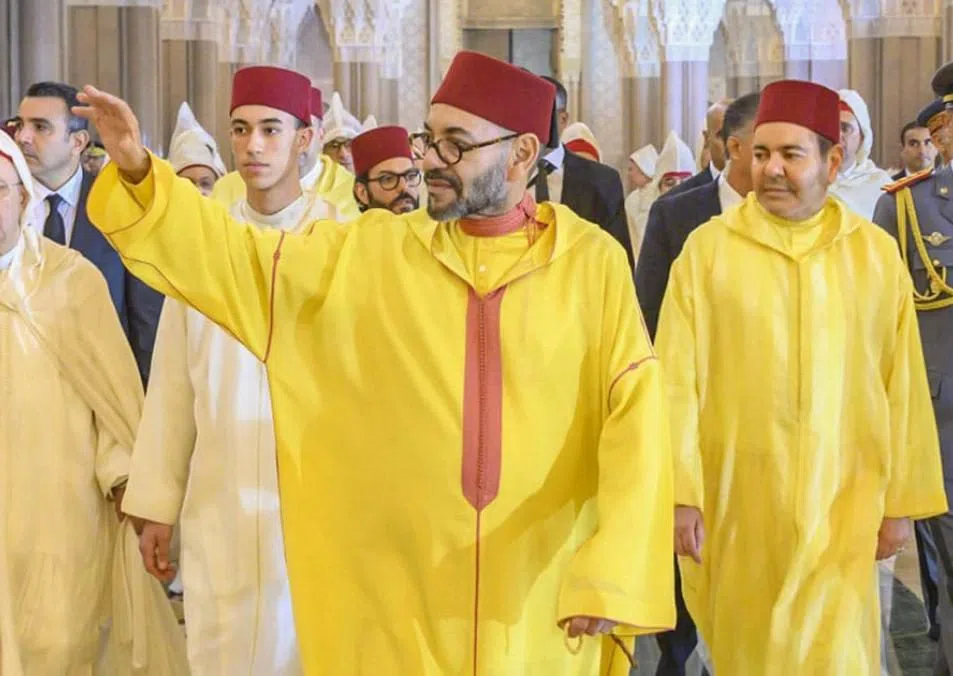
Non-Muslims can get inside the Hassan II Mosque only on the official guided tour, which costs 140 DH for an adult. Departures go out in Arabic, French, English, Spanish and Italian, each running 45 to 60 minutes. The minaret rises 210m above the Atlantic sea wall, and the waves break below the esplanade while you wait.
The Casablanca start
The Hassan II Mosque tour runs Saturday to Thursday at 09:00, 10:00, 11:00, 12:00 and 15:00. Friday drops to three departures, at 09:00, 10:00 and 15:00. Foreign students pay 70 DH, children aged six to 12 pay 30 DH, and under-sixes go free. Fix your departure time before anything else and build the day around it, because nothing else in the city runs on so short a timetable. Inside, the prayer hall sets titanium against zellij, the cedar roof retracts, and a glass floor lets you stand above the ocean.
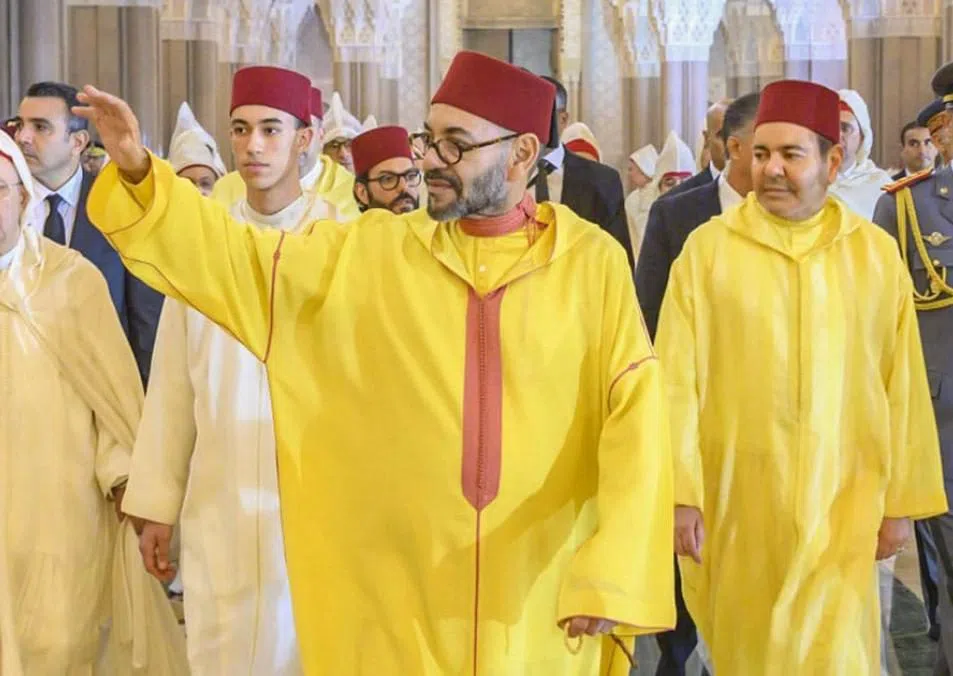
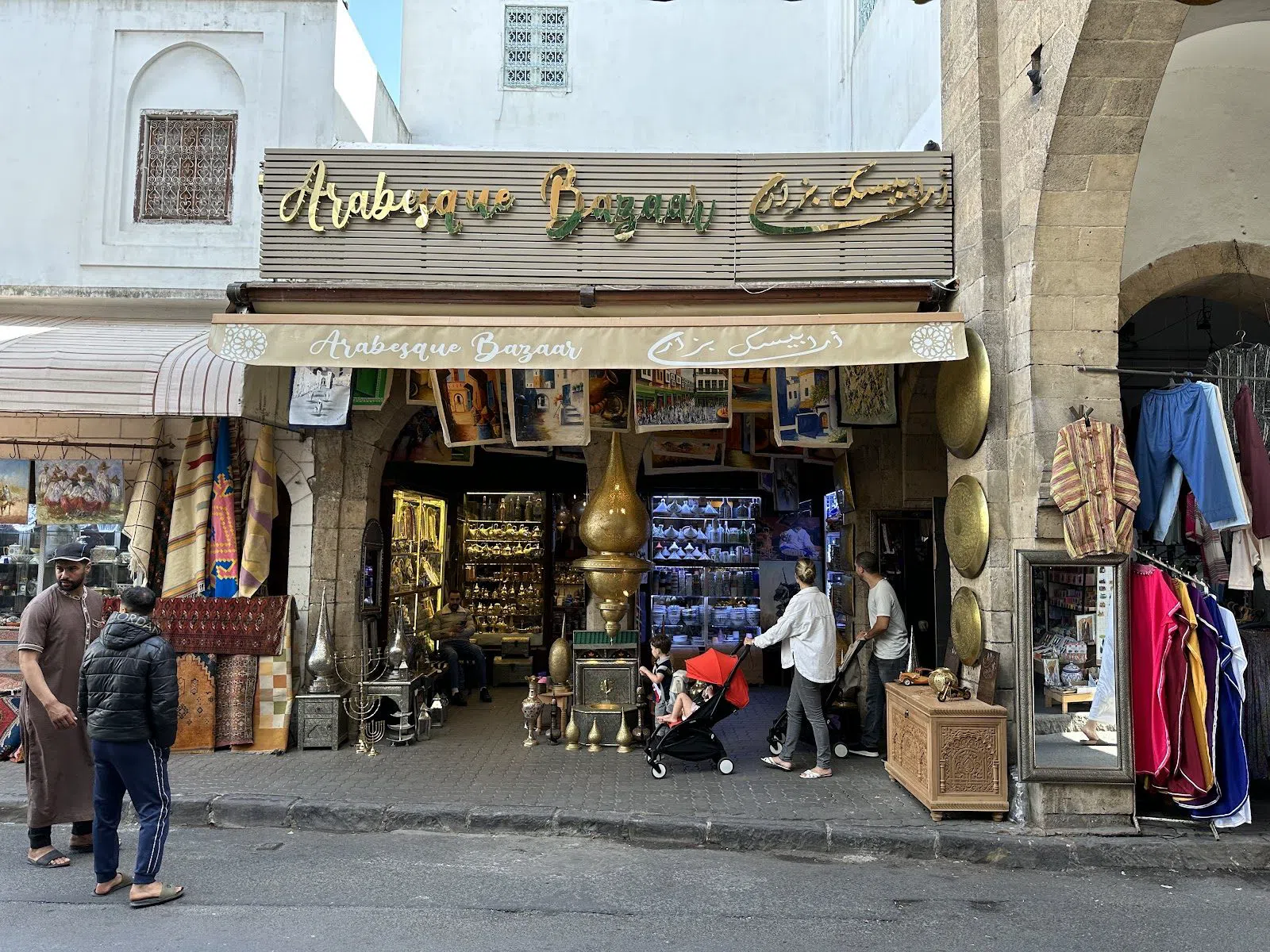
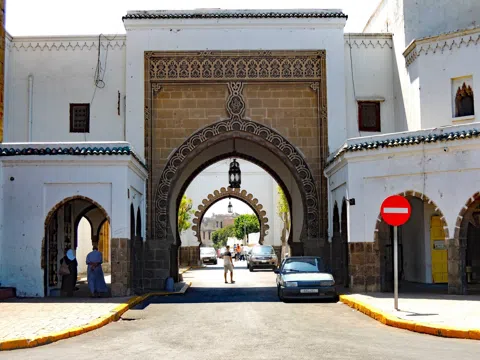
Quartier Habous, the New Medina, is a 1930s plan of arcaded pale stone, horseshoe arches and orange trees, and it is free to walk. The souk here sells carpets, babouches and spices, and the streets stay calmer and cleaner than the old medina's. Many shops close over lunch, so come in the morning or the late afternoon.
The Mahkama du Pacha stands in the same streets and has no ticket office. A guardian decides whether to let you in, and small groups do better than coachloads. Tip whoever opens the door 20 DH to 50 DH. Access is never guaranteed. Behind the doors are rooms of carved cedar ceilings, white stucco lacework and green-tiled roofs.
Rick's Café, near the old medina walls, is a courtyard bar in an old mansion: arched balconies, brass lanterns, potted palms and a grand piano under a curved staircase. It opens 365 days a year. Lunch runs 12:00 to 15:00, the first dinner seating 18:30 to 20:30 and the second 21:00 to 00:30, with live piano from 20:00. Reservations are effectively mandatory and a dress code applies; even booked guests queue at the door to be checked off the list. Tables are tight, the seatings are fixed, and a weekend table wants 48 hours' notice. Dinner is DHDHDH.

Organizza il tuo viaggio a Casablanca
Prezzi in tempo reale dai nostri partner di prenotazione.
Cancellazione gratuita su molte camere. Potremmo ricevere una commissione quando prenoti.
A Rabat morning above the Bou Regreg
Hassan Tower and the Mausoleum of Mohammed V share one open esplanade, free and open daily to non-Muslims. The unfinished 12th-century ochre minaret stands over a field of several hundred broken stone columns. Opposite it, white marble under a green pyramid roof holds an onyx sarcophagus you look down on from a balcony, with royal guards in red capes at the doors. Cover shoulders and knees. This is a working royal tomb, and guides keep a group quiet and moving through it.
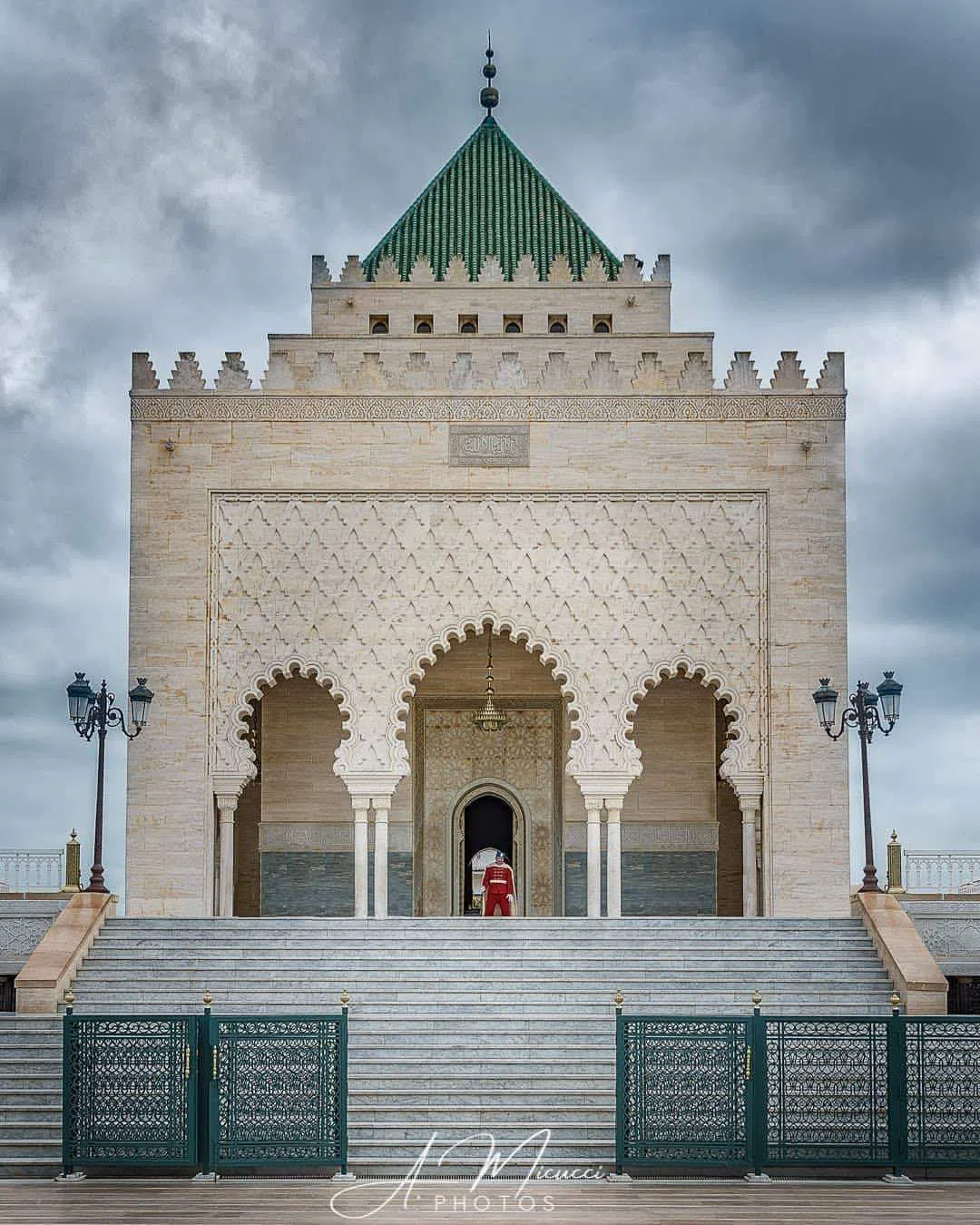
A 15-minute downhill walk brings you to the Kasbah of the Udayas, a 12th-century clifftop fortress above the mouth of the Bou Regreg. Entry is free and unticketed, the walled Andalusian garden included. Go in through the monumental Almohad gate, work along the blue-and-white painted lanes, and finish at the terrace café above the Atlantic surf, looking across to Salé. Those lanes are narrow and residential, and people live along them. The two stops pair naturally in one morning.

Volubilis and the granary at Meknes
Volubilis sits on the green farmland below Zerhoun, a hillside Roman city and a UNESCO site, where a triumphal arch and the basilica columns stand against open sky. Floor mosaics of Orpheus, Hercules and Bacchus lie uncovered in situ where the villas stood. Adults pay 70 DH and children under 12 pay 30 DH. Official guides wait at the entrance, from 150 DH for a group and 300 DH for a private tour. Allow two hours. There is almost no shade on the site.
At Heri es-Souani and the Royal Stables in Meknes, Moulay Ismail built a granary on cathedral-scale vaulted arches of mud brick, some of them now roofless and open to the sky, with a deep stone water basin alongside. The spaces are vast and there is no timed entry. Admission runs 10 DH to 70 DH depending on the gate, cash only, in small notes. The site opens 09:00 to 12:00 and 15:00 to 18:30, closing over the long midday break. Bab Mansour, the gate nearby, is admired from outside, since you cannot pass through it. Most itineraries rush this city.
The tannery terraces and the Al Batha museum

You look down on the Chouara Tannery from the terraces of the leather shops that ring the pits. Chalky white lime pits sit on one side; across the honeycomb of round stone vats the liquid glows saffron, poppy red, indigo and brown, and the hides dry on the surrounding rooftops. Nobody should charge you for the climb. The terraces belong to the shops and no ticket exists. Each terrace holds only a handful of people, so a group goes up in shifts. The pits have worked for a thousand years, the smell is strong, and the sprig of mint handed to you at the stairs does a real job. Browse the shop on the way down.
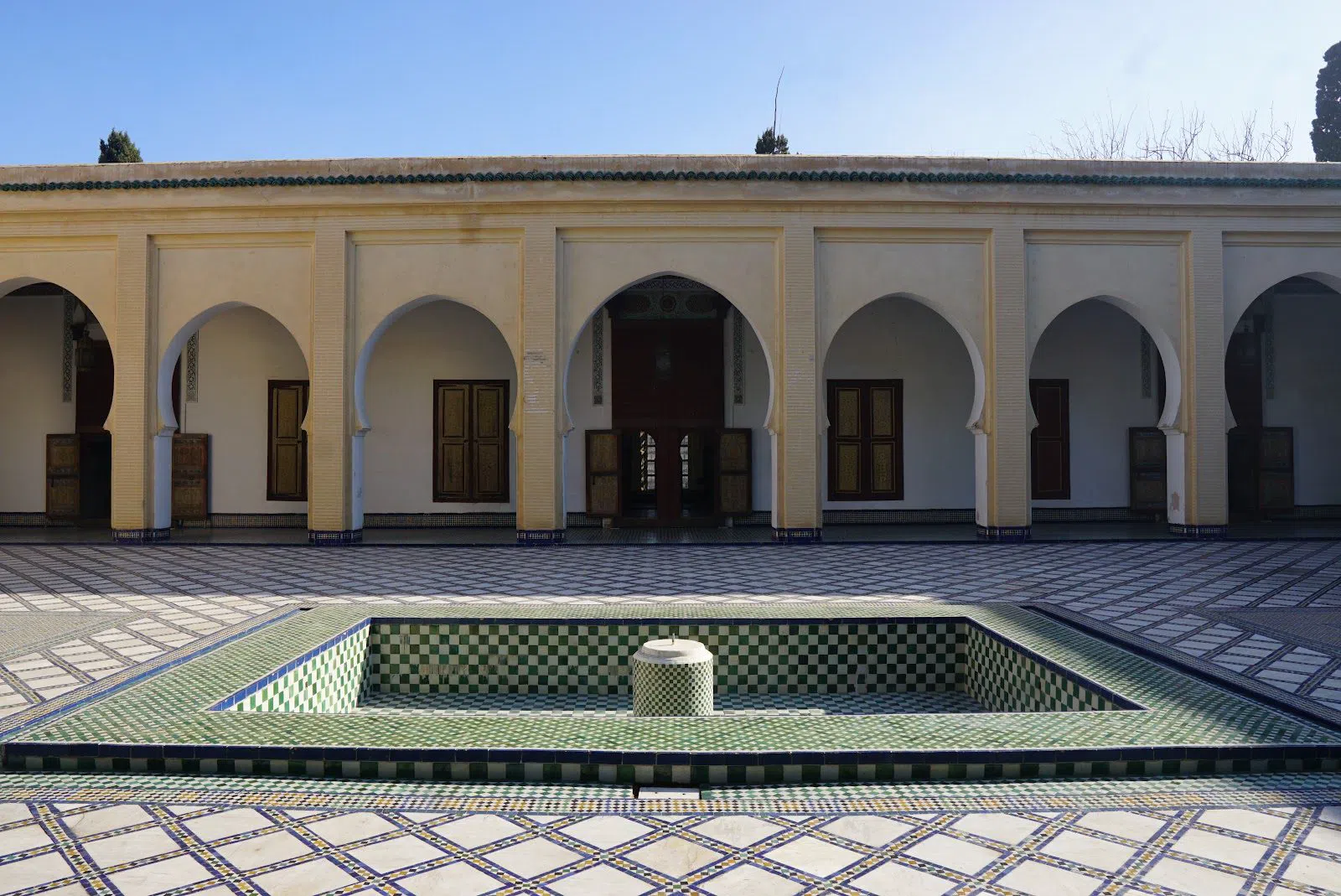
The Al Batha Museum of Islamic Arts, or Dar Batha, reopened on 26 February 2025 after six years of restoration, and that is the name to ask for now. The display runs dynasty by dynasty from the 8th century onward, much of it shown publicly for the first time, over a purpose-built circuit of 7,500 sq m. Blue-and-white Fassi ceramics, carved cedar panels and astrolabes sit behind glass in a 19th-century palace built around a sunken Andalusian garden of tall palms and orange trees. Admission is DHDH.
Chefchaouen's blue lanes
The medina of Chefchaouen stacks lime-blue houses up a steep slope under the twin Rif peaks, and the lanes climb steep and narrow. Both the medina and the Spanish Mosque viewpoint are free public space. The path to the mosque, a small abandoned 1920s building with a square stone minaret on the facing hill, is single file and takes 20 to 30 minutes. It ends looking down over the blue rooftops. Give the town an overnight.
Todra Gorge and a night on Erg Chebbi
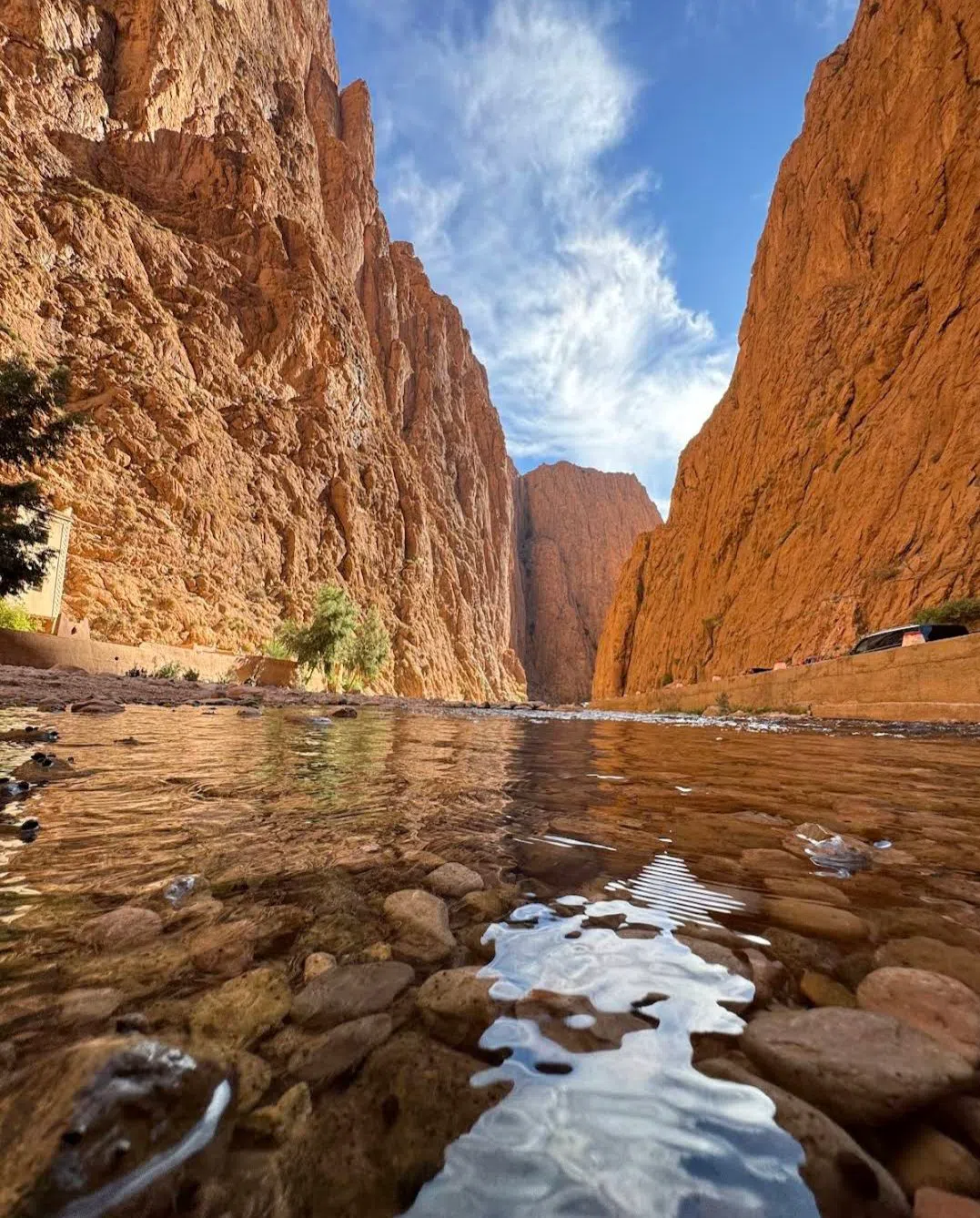
Todra Gorge lies 12 km to 15 km from Tinghir on good paved road, so you do not need a 4x4. Limestone walls up to 300m high close to a slot barely 10m wide, with a shallow stream and the road running along the canyon floor between them. A palm oasis and flat-roofed Berber villages sit at the mouth. Entry is free and a local guide starts at 150 DH. Walk the oasis rather than only driving through the canyon, which is the difference between a morning here and a photo stop. Climbing is done with certified local guides from Tinghir, booked a few days ahead, with guide and gear charged on top. The gorge is the breather between the Dades valley and the desert run.
Erg Chebbi, at Merzouga, is an orange Saharan dune field rising to 150m in sharp wind-carved crests, with black nomad tents pitched in a hollow between the dunes. A camel trek and one night in a luxury camp is DHDHDH. The camps are set up for groups, with private tents, a shared dinner and music round a fire. One night is the minimum that works, since sunset and sunrise are the hours to be out on the sand, when a camel train throws long shadows. This is the longest driving day of the loop.
Jemaa el-Fnaa, Bahia Palace and Jardin Majorelle
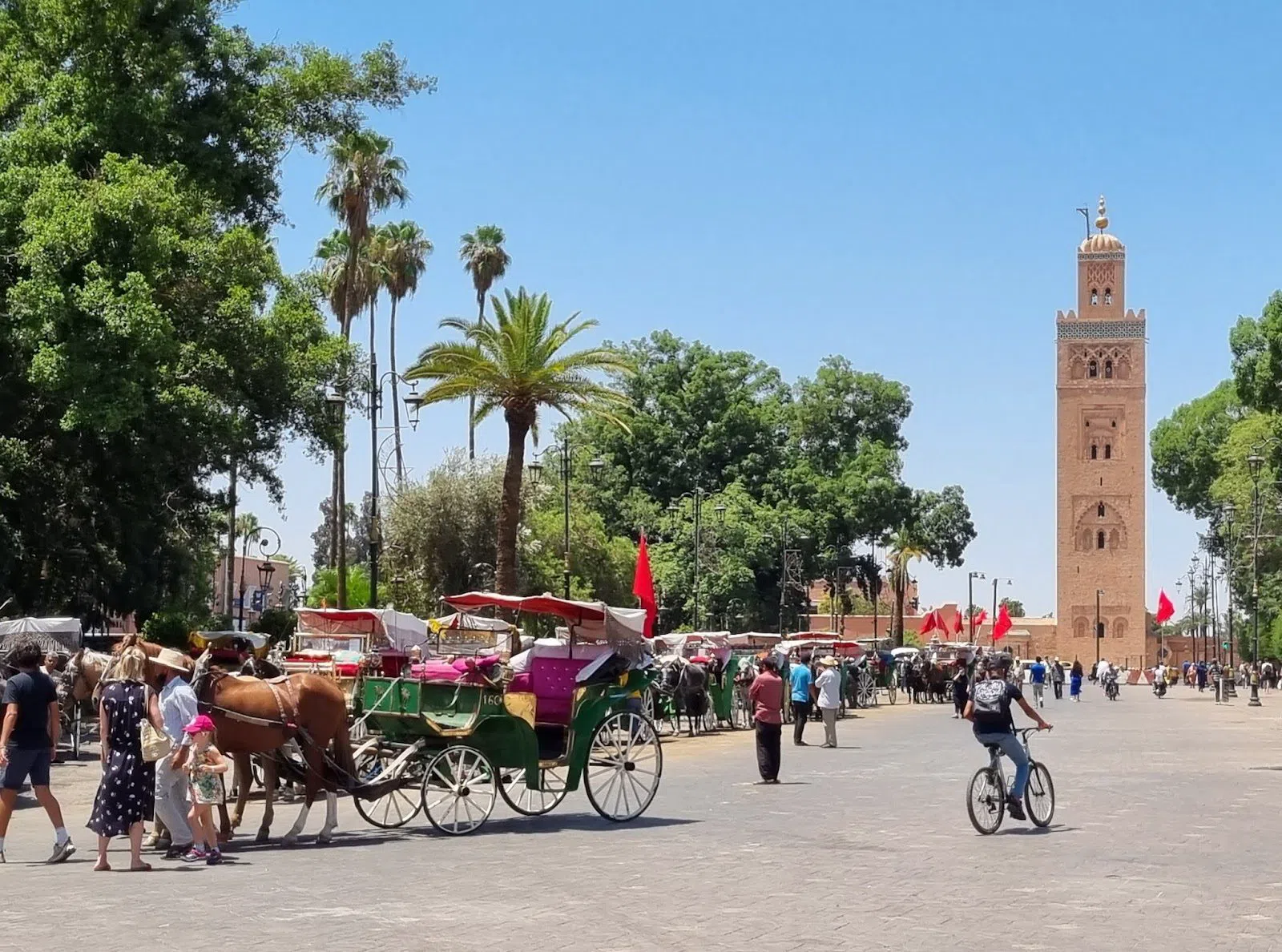
Jemaa el-Fnaa is a huge open square ringed by low terraces, free to enter, with rows of numbered food stalls under hanging bulbs and smoke, drum circles on the paving and the Koutoubia minaret lit behind. The stalls ladle harira and press orange juice. A 160-million-dirham requalification was in its final phase through 2026. It laid new natural cut stone underfoot, widened the halqa performance area and had the food stalls newly fabricated; the networks beneath were re-laid and the traffic around the edge reorganised. The square never shut for any of it, and hoardings still stand in places. Pickpockets and insistent performers work the crowd.
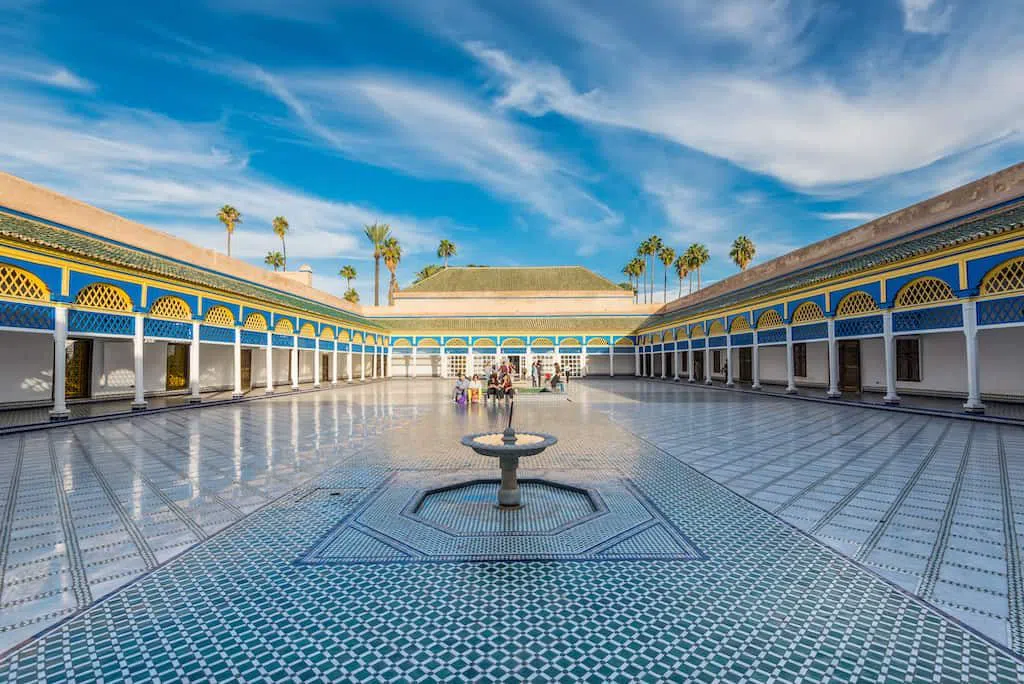
Bahia Palace opens daily 09:00 to 17:00, with last entry at 16:30 and shorter hours in Ramadan. Adults pay 70 DH to 100 DH. The 19th-century vizier's palace links courtyard to courtyard, from a vast marble court to painted and carved cedar ceilings, zellij dados in blue and gold, riad gardens of orange trees and empty harem apartments. The ceiling rooms bottleneck badly mid-morning. Expect scaffolding in a courtyard or two: the palace is on the post-earthquake restoration programme alongside El Badi and the Saadian Tombs, and it has stayed open throughout.
Jardin Majorelle sells tickets online only, through tickets.jardinmajorelle.com, and walk-ups cannot buy at the gate. The garden is 170 DH, 230 DH with the Pierre Bergé Museum of Berber Arts and 330 DH adding the Yves Saint Laurent museum. Entry is timed in 30-minute slots and numbers are capped, so a group has to be pre-booked and split across slots. The villa and its pergolas carry Majorelle blue against bamboo groves and towering cacti, with yellow planters, lily ponds and a shaded central walk. The garden runs 08:00 to 17:30, last entry 17:00, and the Berber arts museum 08:30 to 17:00. Villa Oasis closes Wednesdays.

Booking ahead and who the route suits
A private driver-guided version of this eight-day route runs seven days a week. What you pay for is the driving and the order of the days, because the desert leg costs road hours and several stops run to fixed timetables.
The route suits a traveller with eight clear days who wants the Roman mosaics, the dunes and the blue medina on one line. It asks early starts and two overnights away from the start city. Entry at most stops is paid at the gate on the day; the garden slot and the Casablanca dinner table are the two things you arrange first.
Best time to go
Volubilis opens at 08:00 and closes at 19:00 from April to September, at 17:30 from October to March. Go at opening, because the heat and the tour groups both build fast after mid-morning. The Hassan II Mosque adds a 16:00 departure between 15 March and 15 September. In high season, morning slots at Jardin Majorelle go days ahead. Late afternoon is the hour for the mausoleum, when the columns throw long shadows and the view over the river to Salé is at its best. In Chefchaouen, 07:00 to 09:00 is the only window with empty lanes and no tour groups in the shot, and the climb to the viewpoint pays at golden hour. Climbing guides in Tinghir fill up in spring and autumn.
Closed days and what to book
Friday thins the mosque timetable, Villa Oasis closes on Wednesdays, and the granary shuts over the long midday break, so set each day's start from whichever of those applies. Arrange the timed garden entry and the dinner table in advance, and carry small notes for the gate that takes only cash.
See the Casablanca guide and the Casablanca hotel search.
Prima di partire
Can non-Muslims go inside the Hassan II Mosque?
Yes, on the official guided tour only. It lasts 45 to 60 minutes and is given in Arabic, French, English, Spanish and Italian. Tours run Saturday to Thursday at 09:00, 10:00, 11:00, 12:00 and 15:00, with an extra 16:00 departure from 15 March to 15 September. Friday has three departures, at 09:00, 10:00 and 15:00. Adults pay 140 DH, foreign students 70 DH, children aged six to 12 pay 30 DH and under-sixes are free.
Which stops have to be booked before I arrive?
Jardin Majorelle sells tickets online only, through tickets.jardinmajorelle.com, in timed 30-minute slots; there is no gate sale, and morning slots go days ahead in high season. Rick's Café will not seat you without a reservation, and a weekend table wants 48 hours' notice. Climbing in Todra Gorge means hiring a certified local guide from Tinghir, booked a few days ahead. Everything else on the route you pay for at the gate.
Where do I need cash, and how much?
Heri es-Souani and the Royal Stables in Meknes are cash only, 10 DH to 70 DH depending on the gate, so carry small notes. The Mahkama du Pacha has no ticket office; the tip for the guardian who opens it is 20 DH to 50 DH. The Chouara Tannery terraces are free and nobody should charge you to climb them.
How long do I need at Volubilis, and is a guide worth it?
Allow two hours. Adults pay 70 DH and children under 12 pay 30 DH. Official guides wait at the entrance, from 150 DH for a group and 300 DH for a private tour. The site opens at 08:00 and closes at 19:00 from April to September, 17:30 from October to March. Go at opening, because it has almost no shade and both the heat and the tour groups build fast after mid-morning.
Is one night in the desert enough?
One night is the minimum that works at Erg Chebbi, because sunset and sunrise are the hours worth being out on the dunes. A camel trek with one night in a luxury camp gets you a private tent, a shared dinner and music round a fire. Allow for the road too: the desert leg is the longest driving day of the loop.