Casablanca
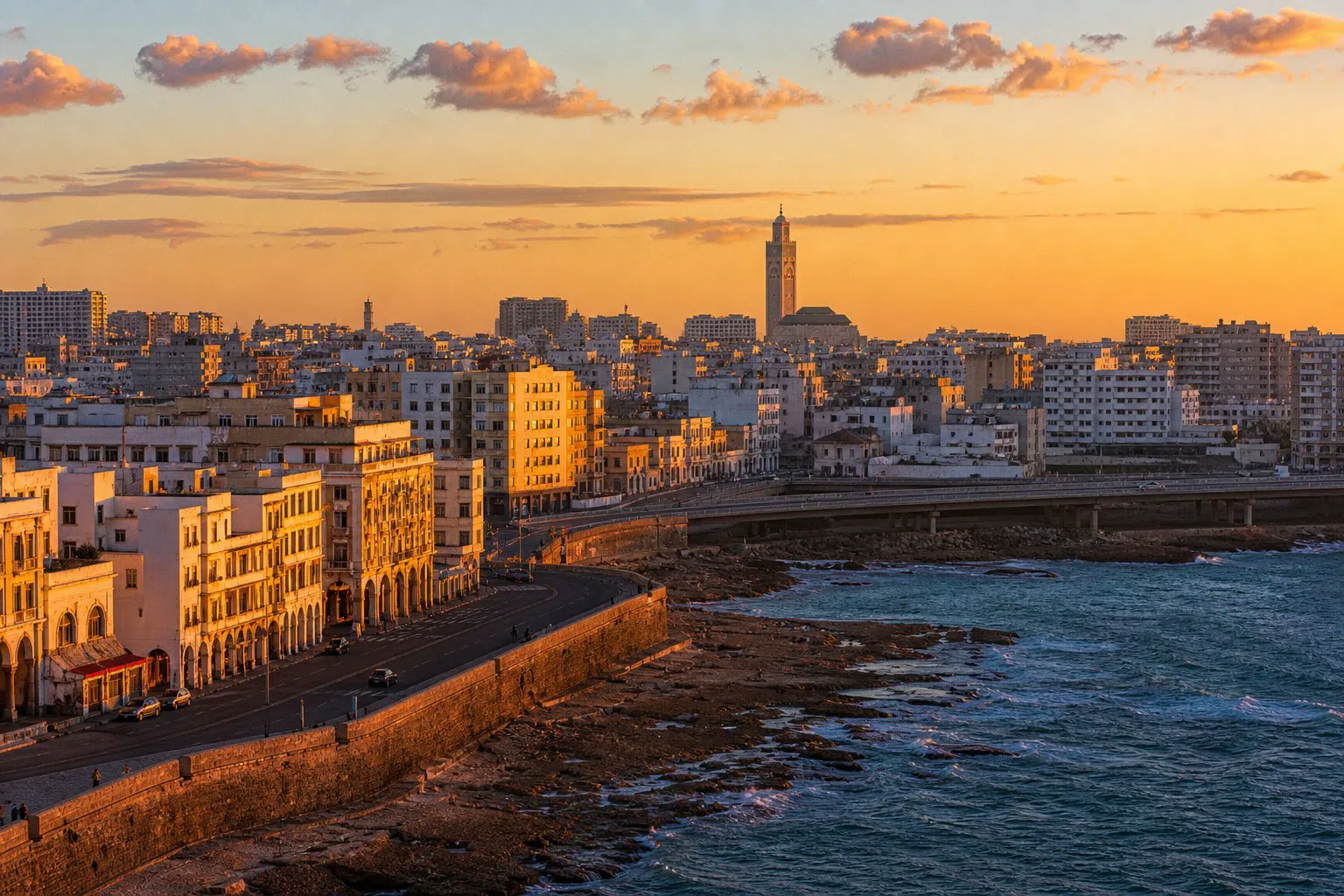
Casablanca is a city defined by its raw, industrial energy and its salt-sprayed Atlantic coastline.
Guests & rooms
The Casablanca guide
An insider’s read on Casablanca
CCasablanca is a city defined by its raw, industrial energy and its salt-sprayed Atlantic coastline.
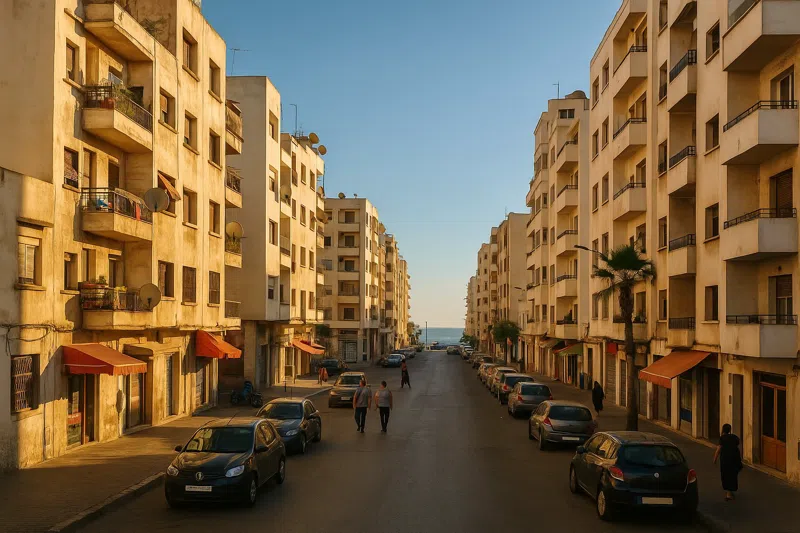
The character of Casablanca is deeply rooted in its early 20th-century expansion under the French protectorate. French urban planners designed a modern city of wide boulevards radiating from a central square, creating a unique architectural fusion known as Mauresque—a blend of traditional Moroccan decorative arts and European Art Deco. This architectural legacy, though weathered by Atlantic moisture and decades of neglect, gives the city its distinctive retro-futuristic atmosphere. Today, Casablanca is a melting pot of young professionals, artists, and working-class families, creating a dynamic urban culture that is constantly reinventing itself.
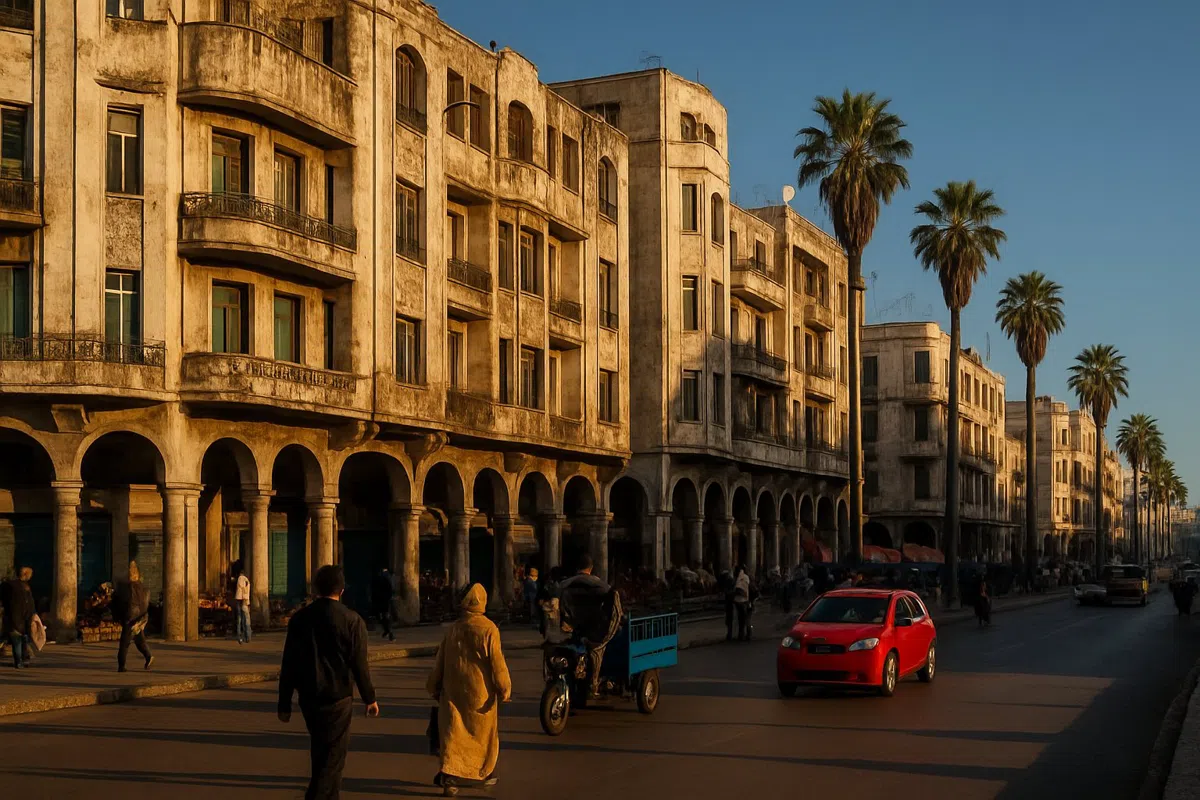
PLATE ICasablanca, Morocco
Guides & ideas
The Casablanca reading list
Hand-written guides from our editors — itineraries, the best of after dark, where to eat, and what’s genuinely worth your time.

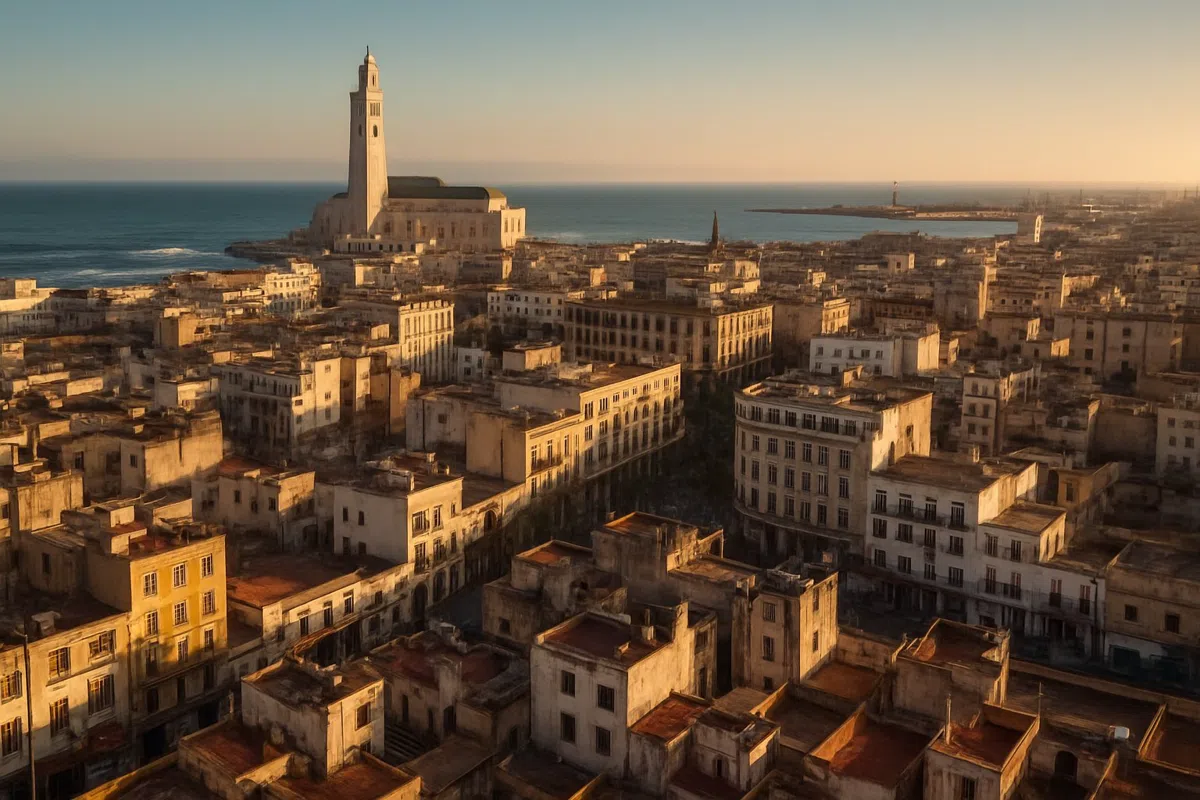
How the Hassan II Mosque Redrew Casablanca's Skyline
The story of the mosque built into the Atlantic tide, and the ramparts, lighthouse, cathedral and rooftop bars that let you read the skyline around it.

The Hammam Hour: Casablanca's Public Bathhouses and the Ritual That Outlasted the French
From a 70-dirham workers' bathhouse in Gauthier to a concierge-booked spa in Anfa, Casablanca's hammams are the one daily ritual the city never let anyone modernise away.
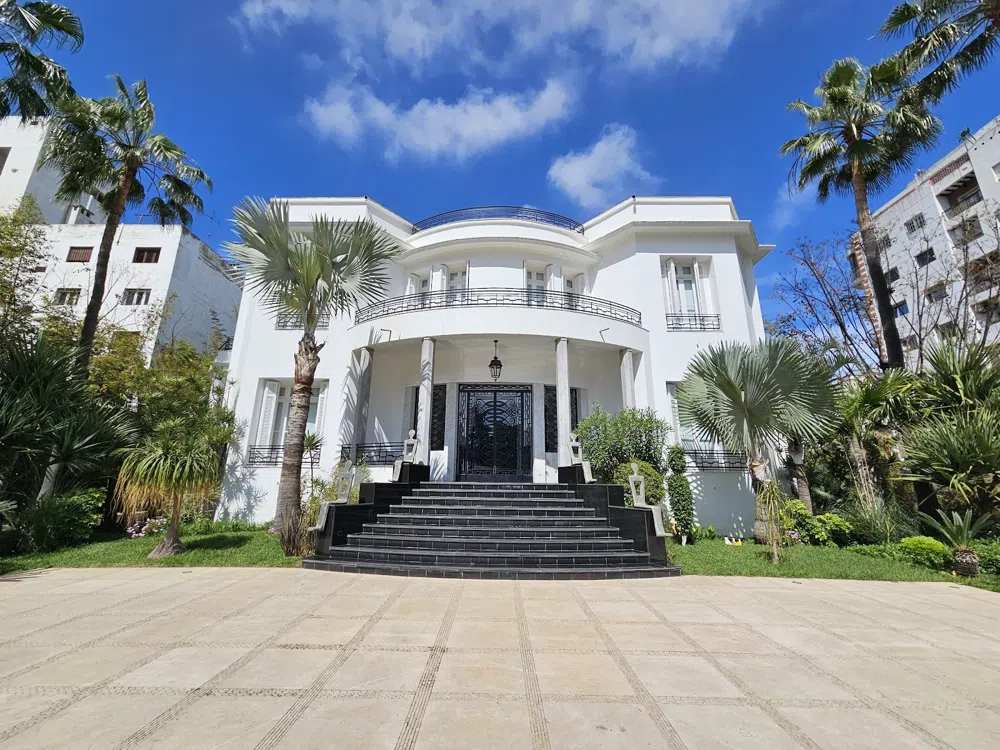
Mauresque: Casablanca's Art Deco City Hiding in Plain Sight
Skip the airport transfer and walk the 1920s new town — Casablanca is one of the world's great, least-visited open-air museums of Art Deco and its Moroccan hybrid, the Mauresque.

The City That Talks Over Coffee: Casablanca's Café Culture and the Art of the Afternoon
From third-wave roasteries in Maarif to a walled garden café in the old medina, a considered guide to where Casablanca actually sits down, orders slowly, and lets the afternoon unspool.

The Port at Dawn: Casablanca's Fish Market and the Grill Stalls That Follow
Follow the catch from Marché Central's dawn stalls to the working port and the Corniche — the honest, price-by-price guide to eating Casablanca's freshest fish in 2026.

The White City in Deco: Casablanca's Forgotten Architecture Trail
Casablanca hides one of the world's densest Art Deco quarters in plain sight — here is how to walk it, read it, eat in it, and sleep inside it.
Where to base yourself
The neighborhoods
01
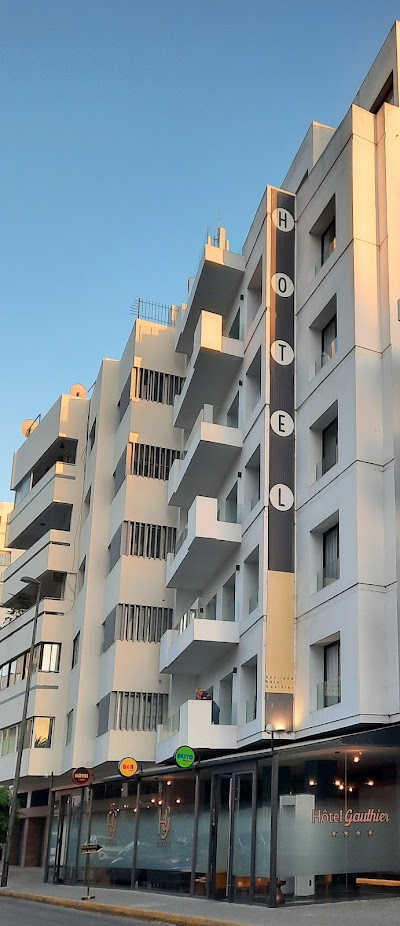
Gauthier
For Perfect for urbanites and food lovers who want to walk to contemporary restaurants. The trade-off is the high cost of dining and lodging, and a lack of traditional historic sights.
An upscale, cosmopolitan enclave filled with trendy cafes, art galleries, and high-end boutiques.
Where to stay — Boutique design hotels and stylish serviced apartments.
02
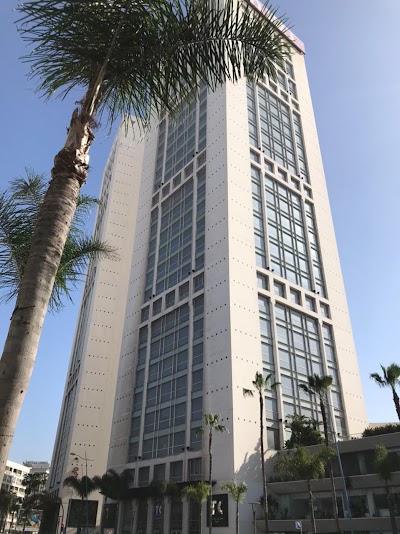
Maârif
For Suits shoppers and younger travelers looking to experience local youth culture. The trade-off is the constant noise, heavy traffic, and lack of green spaces.
A high-energy commercial district dominated by international retail brands, local fashion boutiques, and fast-paced street life.
Where to stay — Mid-range business hotels and modern high-rise apartments.
03
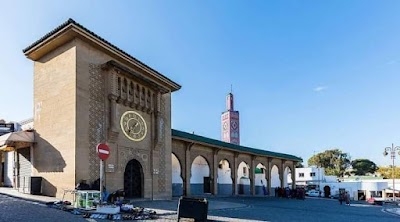
Anfa
For Suits luxury travelers seeking quiet and privacy. The trade-off is its isolation from the city center, requiring taxi rides for all sightseeing.
The city's most affluent residential district, characterized by quiet, tree-lined streets and modernist luxury villas.
Where to stay — Five-star luxury hotels and private villa rentals.
04
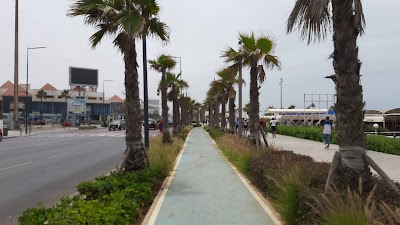
Ain Diab / La Corniche
For Suits nightlife seekers, surfers, and families wanting ocean views. The trade-off is that it can feel overly commercialized and noisy late into the night.
A beachfront strip lined with beach clubs, surf schools, fast-food joints, and late-night entertainment venues.
Where to stay — Large oceanfront resort hotels.
05
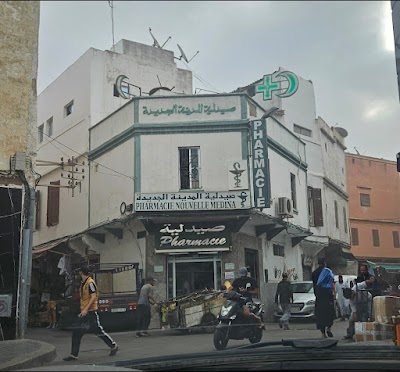
Habous (Nouvelle Medina)
For Suits architecture enthusiasts and those looking for high-quality Moroccan crafts without the intense hassle of the old medina. The trade-off is that the area becomes quiet and dark after sunset.
An orderly, picturesque district planned by French architects in the 1920s to mimic a traditional Moroccan medina with stone arches and neat streets.
Where to stay — Traditional guesthouses or small mid-range hotels nearby.
06
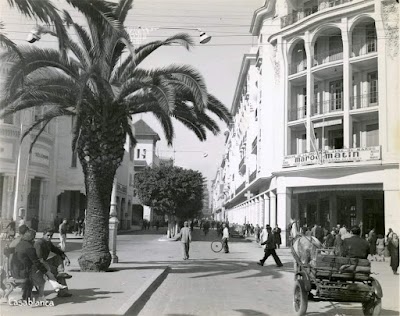
Ancienne Medina
For Suits history buffs and budget travelers seeking raw authenticity. The trade-off is the chaotic environment, persistent vendors, and the need for heightened awareness against pickpockets.
The original pre-colonial walled city, characterized by narrow, winding alleys, local markets, and residential life.
Where to stay — Traditional riads and budget hostels.
07
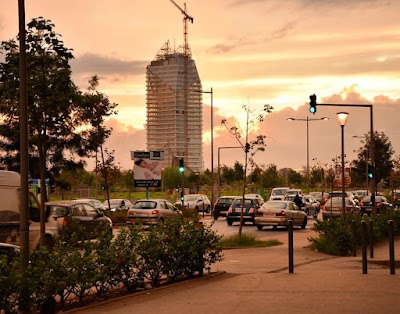
Centre Ville
For Suits architecture lovers and transit-dependent travelers who want to be close to major train stations. The trade-off is that many buildings are poorly maintained, and the area can feel gritty after office hours.
The colonial-era heart of the city, showcase to grand boulevards and striking Mauresque and Art Deco administrative buildings.
Where to stay — Classic mid-range hotels and historic properties.
08
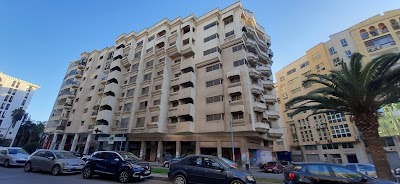
Bourgogne
For Suits independent travelers looking for a local neighborhood feel and budget-friendly dining. The trade-off is the lack of major tourist landmarks.
A dense, authentic residential neighborhood stretching between the city center and the ocean.
Where to stay — Budget-friendly apartments and local guesthouses.
09
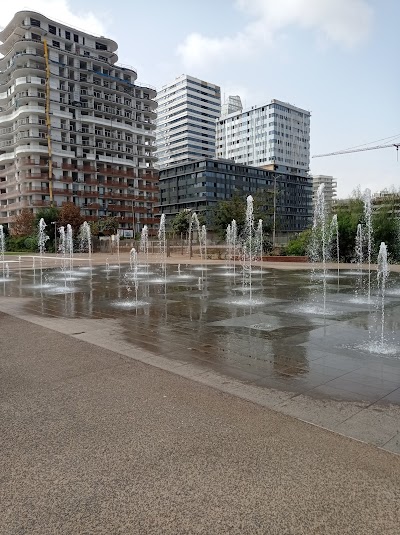
Oasis
For Suits families and slow travelers seeking a peaceful base away from the urban core. The trade-off is the distance from the coast and nightlife venues.
A quiet, green residential suburb located south of the city center, well-connected by the tramway.
Where to stay — Quiet boutique guesthouses and residential rentals.
Book direct
Book a hotel in Casablanca
Loading live availability and real-time prices…
Where to eat
Dining
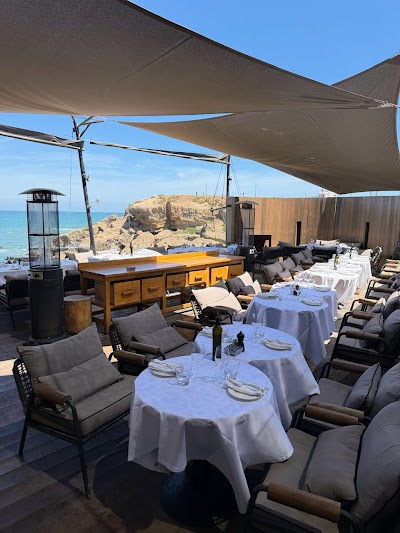
Le Cabestan
€€€€Ain Diab
Perched directly on the cliffs below the El Hank lighthouse, it offers dramatic ocean views alongside refined French-Mediterranean cuisine.
Signature — Wild sea bass baked in a salt crust
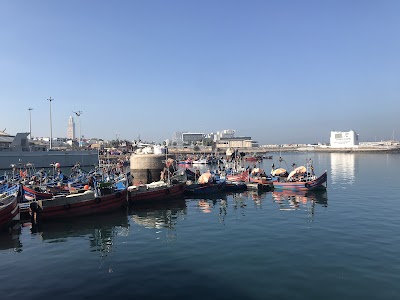
Port de Pêche
€€Port of Casablanca
Located inside the working commercial port, this unpretentious, high-energy restaurant serves exceptionally fresh fish directly from the daily catch.
Signature — Mixed fried fish platter (friture de poisson)
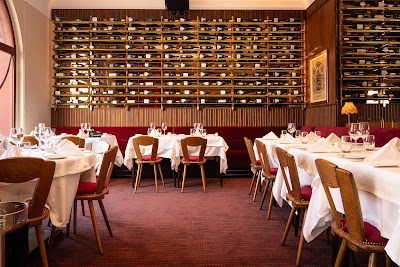
La Bavaroise
€€€Centre Ville
A legendary French-style bistro operating for decades, offering professional table service and premium cuts of aged beef.
Signature — Charolais beef tenderloin with green peppercorn sauce
Le Diner du Boucher
€€Maârif
A casual, carnivore-focused concept where guests select their preferred cuts directly from an in-house butcher counter to be grilled to order.
Signature — Grilled ribeye steak served with house-made herb butter
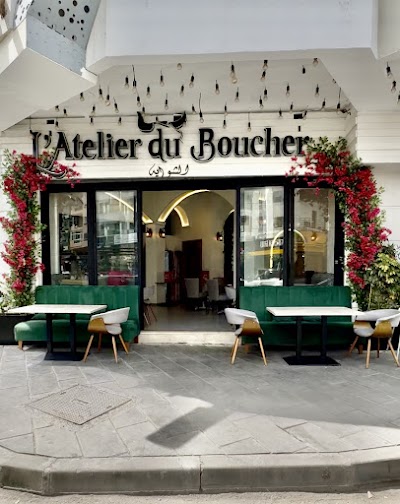
Atelier du Boucher
€€€Gauthier
A modern, stylish steakhouse featuring dry-aged meats displayed in glass curing cabinets.
Signature — Dry-aged T-bone steak
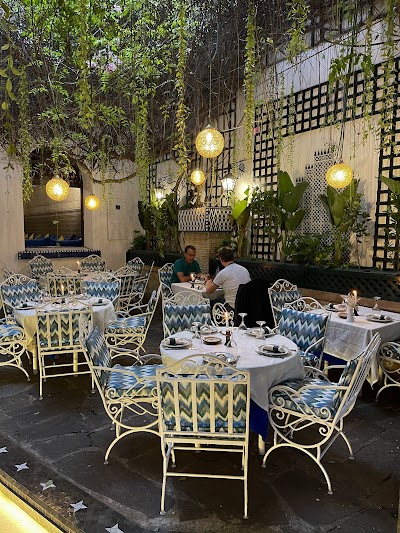
Al Mounia
€€€Centre Ville
One of the city's oldest traditional restaurants, featuring a leafy Andalusian-style garden courtyard and classic Moroccan hospitality.
Signature — Pigeon pastilla dusted with cinnamon and powdered sugar
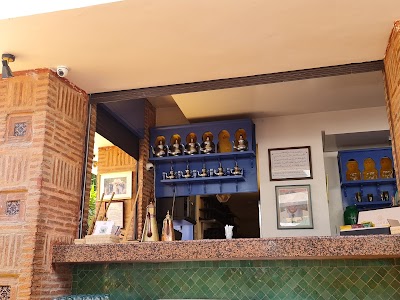
La Sqala
€€€Ancienne Medina
Set within the stone walls of an 18th-century Portuguese bastion, this garden restaurant offers a peaceful escape from the surrounding chaos.
Signature — Traditional Moroccan breakfast with msemen and baghrir pancakes
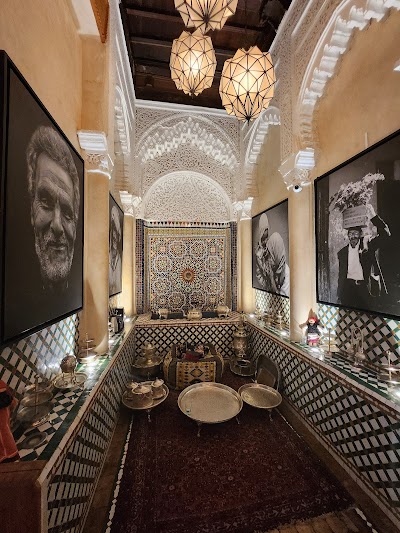
Dar Dada
€€€Ancienne Medina
An upscale traditional dining venue housed in a beautifully restored medina residence, featuring rich interiors and live acoustic lute music.
Signature — Slow-cooked lamb shoulder (mechoui) with cumin
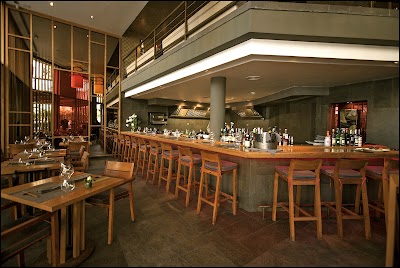
Iloli
€€€€Gauthier
Morocco's premier Japanese fine dining restaurant, offering masterfully executed kaiseki menus in a sleek, minimalist space.
Signature — Black cod marinated in saikyo miso
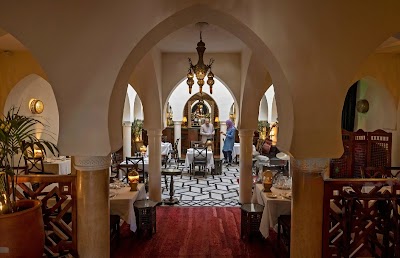
Rick's Café
€€€Ancienne Medina
A physical recreation of the famous bar from the classic film, set in a grand courtyard mansion with live piano music and a nostalgic atmosphere.
Signature — Chili-spiced sea bass with fresh ginger
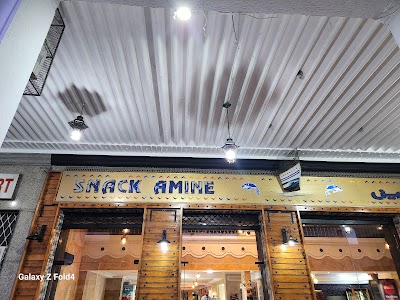
Snack Amine
€Centre Ville
A legendary, fast-paced local institution famous for serving incredibly fresh, affordable seafood to packed communal tables.
Signature — Crispy seafood briouates (savory fried pastries)
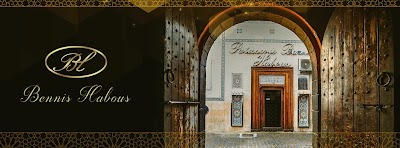
Pâtisserie Bennis Habous
€Habous
An iconic bakery operating since 1930, famous for producing the finest traditional Moroccan pastries in the city.
Signature — Corne de gazelle (pastry filled with almond paste and orange blossom water)
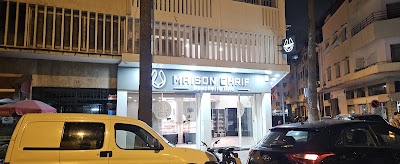
Chez Chrif
€Bourgogne
A no-frills neighborhood grill joint popular with locals for quick, flavorful charcoal-grilled meats.
Signature — Minced beef (kefta) skewers grilled over open coals
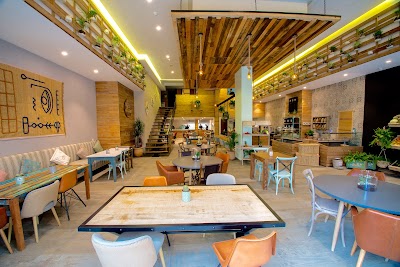
Organic Kitchen
€€Gauthier
A stylish, eco-conscious cafe focusing on organic, locally sourced ingredients with numerous creative vegetarian and vegan options.
Signature — Buddha bowl with quinoa, roasted sweet potatoes, and tahini
Veggie
€€Maârif
A dedicated vegetarian and vegan cafe offering clean, modern dishes in a bright, contemporary space.
Signature — House-made vegan burger with sweet potato fries
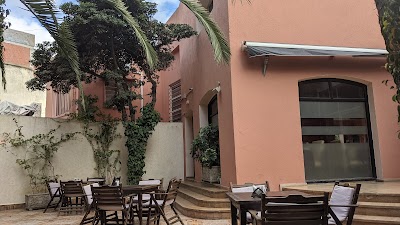
Clay Oven
€€Gauthier
A reliable Indian restaurant featuring a separate, extensive vegetarian menu with authentic spiced dishes.
Signature — Paneer tikka masala with garlic naan
After dark
Nightlife
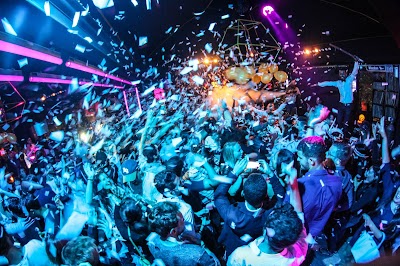
Maison B
Ain Diab
An upscale, multi-space venue featuring a chic restaurant, an outdoor terrace, and a high-energy club room.
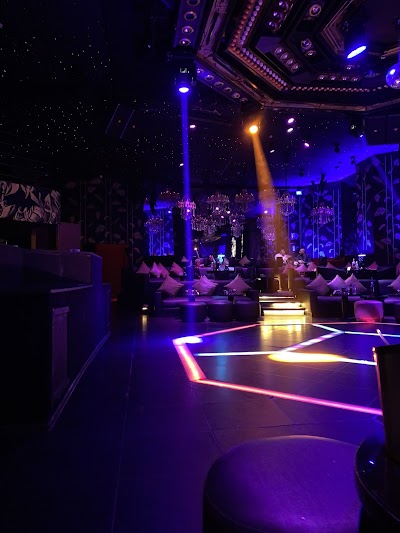
Black House
Centre Ville
Located inside the Hyatt Regency, this long-running club is a favorite for late-night dancing in the city center.
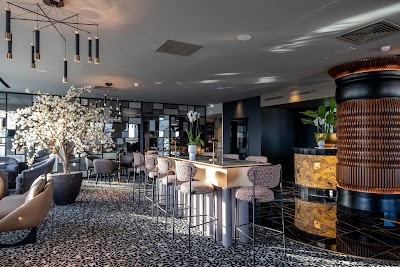
Sky 28
Maârif
Perched on the 28th floor of the Kenzi Tower Hotel, it offers the most dramatic panoramic views of the city and the Hassan II Mosque.
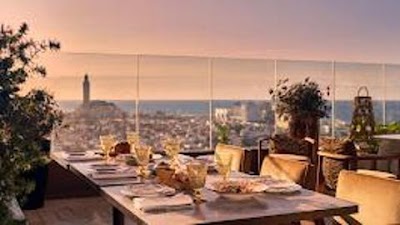
Le Rooftop (Le Casablanca Hotel)
Anfa
An elegant, garden-like rooftop terrace overlooking the hotel's pool and the surrounding residential villas.
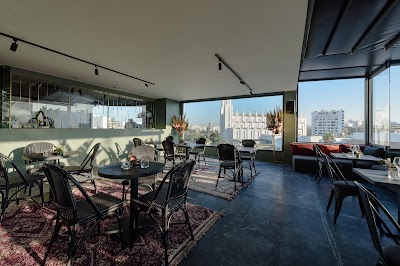
Le Jame's Rooftop
Gauthier
A trendy rooftop venue in the heart of the restaurant district, popular with young professionals after work.
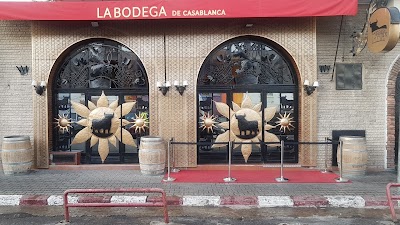
La Bodéga
Centre Ville
A multi-level Spanish-themed bar famous for its lively atmosphere, tapas, and energetic live bands.
Brooklyn Bar
Bourgogne
An industrial-style bar offering American-style pub food alongside regular live acoustic performances.
Art & history
Culture
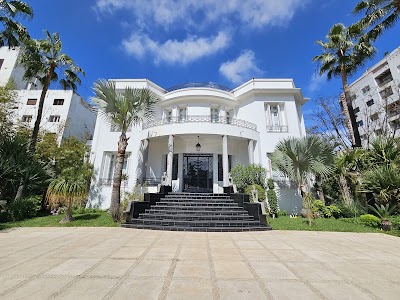
Villa des Arts
Gauthier
Housed in a beautifully restored 1930s Art Deco villa, this cultural center hosts rotating exhibitions of contemporary Moroccan and international artists.
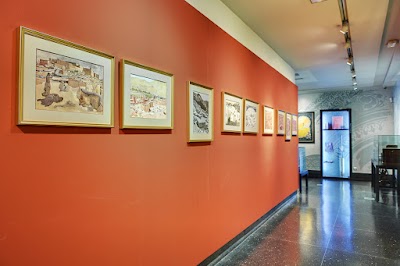
Musée Abderrahman Slaoui
Centre Ville
Displays a private collection of Moroccan decorative arts, including vintage travel posters, gold jewelry, and hand-painted boxes.
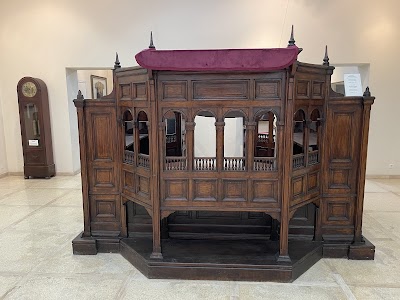
Jewish Museum of Casablanca (Musée du Judaïsme Marocain)
Oasis
The only museum dedicated to Jewish history and culture in the Arab world, showcasing the deep historical roots of Morocco's Jewish community.
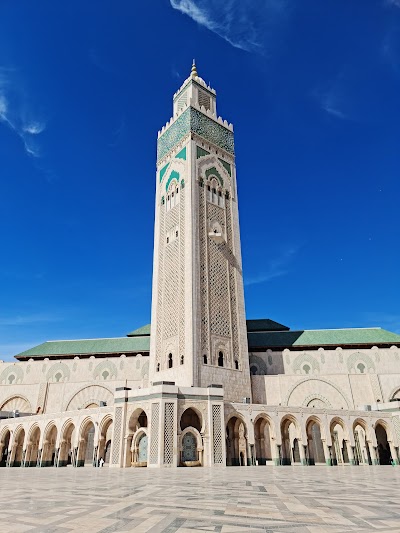
Hassan II Mosque
Sour Jdid
One of the largest mosques in the world, built on a rocky platform over the Atlantic Ocean, featuring a spectacular retractable roof and a 210-meter minaret.
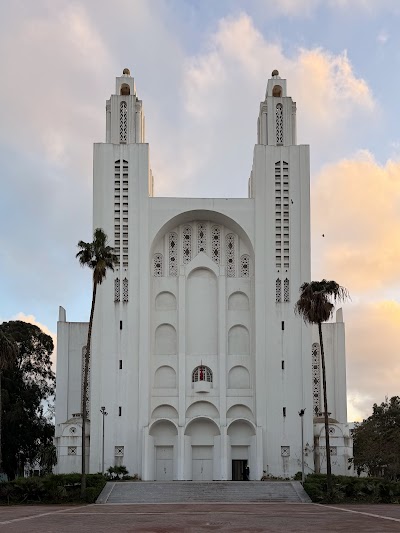
Sacré-Cœur Cathedral
Centre Ville
A deconsecrated neo-Gothic cathedral built in 1930, featuring striking white concrete architecture that blends European Gothic and Moroccan styles.
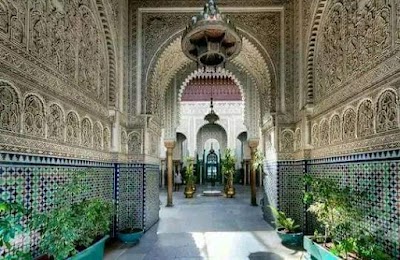
Mahkama du Pacha
Habous
An administrative building functioning as a courthouse, showcasing a masterclass in traditional Hispano-Moorish stucco and cedar wood carving.
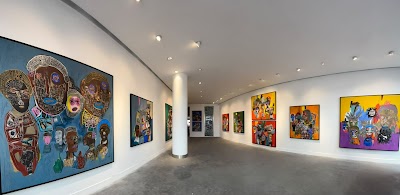
L'Atelier 21
Maârif
A leading contemporary art gallery representing many of Morocco's most established modern painters and sculptors.
Loft Art Gallery
Gauthier
A sleek gallery space focusing on contemporary African and Moroccan art, known for its high-caliber exhibitions.
La Galerie d'Art L'Atelier
Gauthier
An intimate, independent art space dedicated to showcasing up-and-coming local painters and photographers.
Book ahead
Top-rated experiences in Casablanca

Private 7 Days Morocco Tour from Casablanca to Marrakech
from $1562

Casablanca to Fez Private Transfer with Full Fez Tour and Lunch
from $175

7-days: Casablanca to Chefchaouen then Fes and Sahara Desert - Camel Trekking
from $2360

12 Days Private Luxury Sightseeing Tour in Morocco
from $5666

Morocco 10 - Day Luxury Private Tour
from $4129

Magical Morocco 8 day
from $1499

Private Day Trip to Marrakech from Casablanca
from $220

15 Days Morocco Private Grand Tour From North To South Starting From Casablanca
from $2147
Prices from Viator; we may earn a commission when you book — at no extra cost to you. Tours are sold and operated by Viator, the merchant of record. Ratings are collected by Viator and Tripadvisor.
Timing
When to visit
Spring
Spanning March to May, this period brings mild temperatures and clear skies, ideal for walking tours of the Art Deco center before the summer humidity sets in.
Summer
From June to August, temperatures rise and humidity increases. The ocean breeze keeps the coast tolerable, and the beach clubs along the Corniche operate at full capacity.
Autumn
September to November sees cooling temperatures and fewer crowds, making it an excellent time to explore the historic neighborhoods and outdoor markets.
Winter
December to February is cool and brings the highest chance of rain, though daytime temperatures remain mild enough for sightseeing with a light jacket.
What it costs
Budgeting
Logistics
Getting around
From the airport
The ONCF train runs hourly from Mohammed V International Airport to the central Casa-Port and Casa-Voyageurs stations, taking approximately 35 minutes.
Public transit
The Casa Tramway is a clean, modern, and highly efficient network with two main lines connecting major residential and commercial districts to the city center.
Passes & tickets
Rechargeable smart cards (Irtiyah) can be purchased at tram stations for a low cost (€) and loaded with multiple journeys, offering a slight discount per ride.
On foot
While central districts like Gauthier and the Ancienne Medina are highly walkable, the city's massive scale and heavy traffic make public transit or taxis necessary for traveling between neighborhoods.
Travel smart
Safety & etiquette
Local etiquette
- •Dress modestly by covering shoulders and knees, especially when visiting religious sites or traditional neighborhoods.
- •Non-Muslims are not permitted to enter active mosques across Morocco, with the sole exception of the Hassan II Mosque during official guided tours.
- •Always ask permission before taking photos of locals, street vendors, or their merchandise.
From the ground
Practical tips
1
Always insist that 'petit taxi' drivers turn on the meter (compteur) before starting the journey to avoid inflated tourist rates.
2
Buy a rechargeable tramway card at any station kiosk to save money and avoid waiting in ticket lines during rush hour.
3
Keep small change (1, 2, 5, and 10 dirham coins) handy, as taxi drivers and street vendors rarely have change for large bills.
4
Download an offline map of the Ancienne Medina, as the narrow, high-walled alleys can easily disrupt GPS signals.
5
Visit the Hassan II Mosque in the morning to secure tour tickets and catch the best light for photographing the exterior.
6
Be aware that many restaurants and shops close on Friday afternoons for communal prayers, particularly in traditional areas like Habous.
7
Avoid drinking tap water; stick to bottled mineral water, which is cheap and widely available at corner stores (hanouts).
8
Carry a light jacket even in summer, as the Atlantic breeze can make Casablanca surprisingly cool and damp in the evenings.
Casablanca FAQs
Is Casablanca worth visiting for more than one day?
Yes, spending two to three days allows you to appreciate the unique Art Deco architecture, the historic Habous district, and the dynamic contemporary dining scene.
How do I get from the airport to the city center?
The most reliable option is the train, which runs hourly from Mohamed V Airport to Casa-Port and Casa-Voyageurs stations.
Can non-Muslims enter the Hassan II Mosque?
Yes, it is one of the few active mosques in Morocco open to non-Muslims, but only through scheduled, paid guided tours.
What is the best way to get around Casablanca?
The modern tramway system is clean, cheap, and efficient for traveling between major neighborhoods, while red 'petits taxis' are ideal for shorter, direct trips.
Is alcohol easily available in Casablanca?
Yes, alcohol is served in many restaurants, hotel bars, and nightclubs, and can be purchased at select supermarkets, though it is not consumed publicly.
Do I need to haggle in Casablanca?
Yes, haggling is expected in the souks of the Medina and Habous, but prices are fixed in modern shops, supermarkets, and restaurants.